

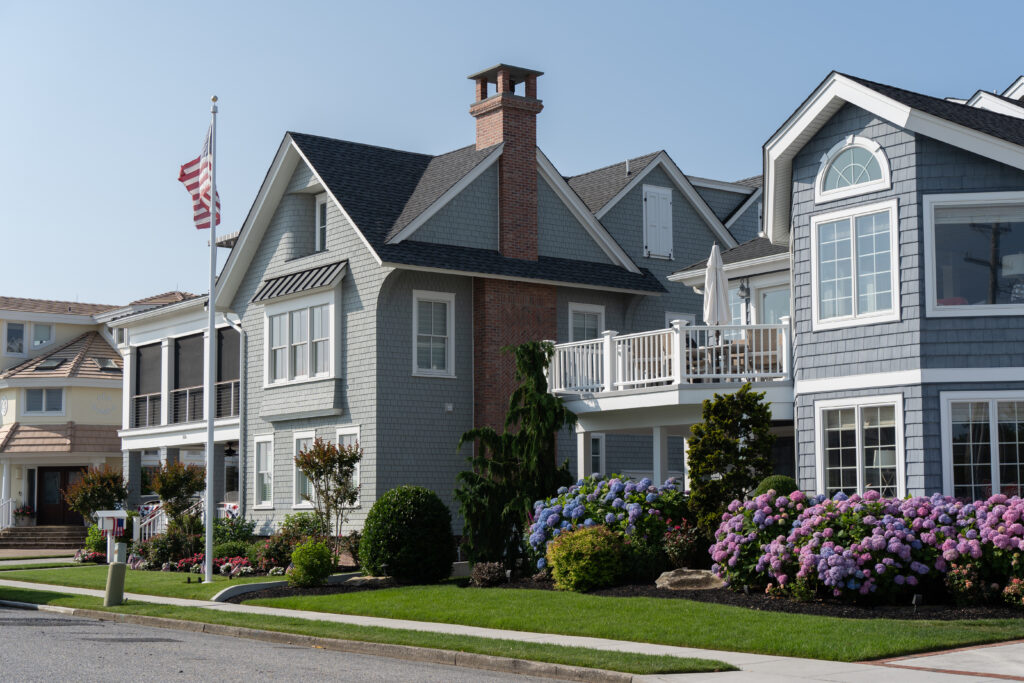
Owning a home along the South Jersey shoreline comes with incredible benefits — ocean views, crisp breezes, and a unique outdoor lifestyle. But coastal living also brings constant wear and tear from salt-air corrosion, high humidity, flooding, and intense storm activity, including nor’easters and hurricane-remnants. Homeowners in Egg Harbor City, Mays Landing, Hammonton, Folsom, and Buena Vista often feel these coastal and inland weather impacts as systems age faster due to moisture, wind exposure, and seasonal storms.
Whether your home is a weekend bungalow, a full-time residence, or a rental property, protecting it from coastal climate damage is essential to long-term value and safety.
Here’s a comprehensive guide to help you safeguard your home.
1. Understand the Biggest Coastal Threats
Before you can protect your home, it’s important to understand what you’re dealing with:
Salt Air
- Causes metal corrosion (hardware, fasteners, railings, AC units).
- Breaks down paint, exterior coatings, and finishes.
- Accelerates roof shingle aging.
High Humidity
- Leads to mold, mildew, wood rot, and warped flooring.
- Triggers moisture buildup in HVAC systems, ducts, and crawl spaces.
Storms & Flooding
- Nor’easters, coastal storms, and tropical remnants cause:
- Roof damage
- Flooding, especially in low-lying neighborhoods
- Wind-driven rain infiltration
- Also Power outages and electrical hazards
Understanding these threats helps you target maintenance where it matters most.
2. Exterior Protection: Your First Line of Defense
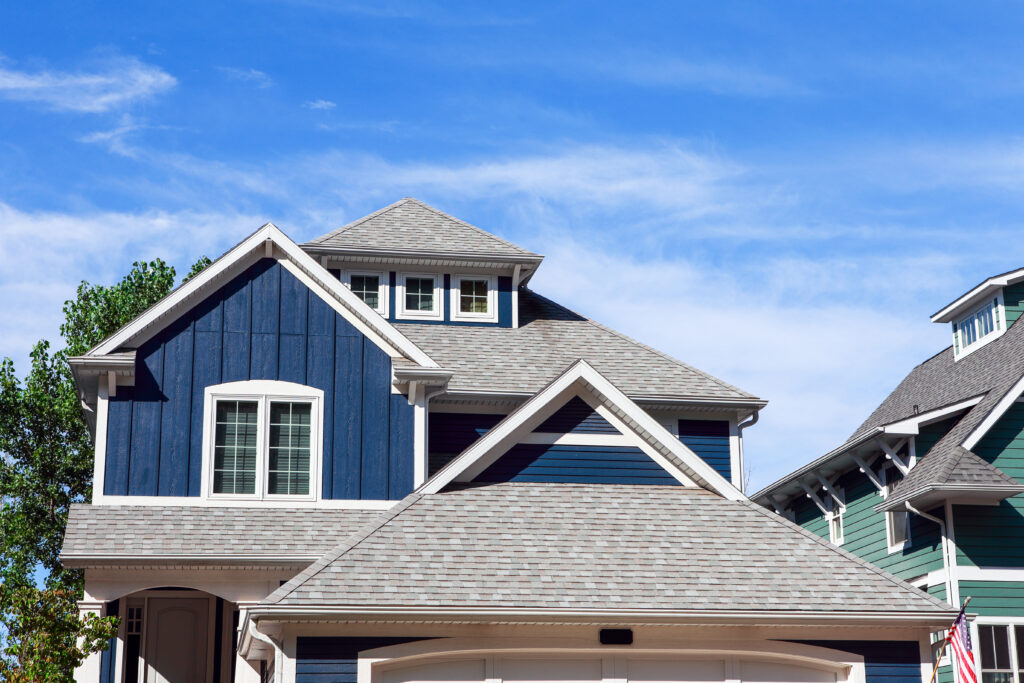
Choose Coastal-Resistant Materials
If your home is within a few miles of the ocean, choose materials specifically designed for salt and moisture.
Best exterior materials for coastal homes:
- Fiber-cement siding (HardieBoard) – moisture, termite, and rot-resistant
- Vinyl or PVC trim – won’t rot and requires low maintenance
- Pressure-treated or composite decking – ideal for humid, wet environments
- Stainless steel or galvanized fasteners – resist corrosion
- Impact-rated windows and doors – withstand wind & flying debris
Apply Protective Coatings & Sealants
- Repaint or re-stain wood siding every 2–4 years.
- Additionally seal decks and railings every 12–18 months.
- Also use marine-grade paints or sealants for maximum durability.
Protect Your Roofing
Your roof takes the brunt of salt, sun, and storm damage.
Best practices:
- Choose architectural shingles rated for high winds (110–130 mph).
- Install stainless or galvanized roofing nails.
- Apply a roof sealant or protective UV coating as recommended.
- Also schedule annual roof inspections, especially before hurricane season.
3. Protect Against Moisture, Humidity & Mold
The humidity in coastal South Jersey can spike above 80% in summer — perfect mold-growing conditions.
Ventilation Is Key
- Install or improve attic ventilation (ridge + soffit).
- Make sure bathroom and kitchen fans vent outside, not into the attic.
- Additionally use a whole-home or stand-alone dehumidifier in humid months.
Ideal indoor humidity: 40–55%
Crawl Space Protection
This is one of the most vulnerable areas in coastal communities.
Crawl space essentials:
- Vapor barrier (6–20 mil plastic liner)
- Encapsulation for maximum protection
- Sump pump with battery backup
- Dehumidifier for moisture control
Also a properly encapsulated crawl space prevents wood rot, sagging floors, insulation damage, and mold.
Protect Interior Finishes
Use materials that handle humidity well:
- Tile, vinyl plank, or engineered flooring
- Mold-resistant drywall (purple/green board)
- Also Semi-gloss paint in bathrooms & kitchens
4. Safeguard Your Home From Flooding & Storm Surges
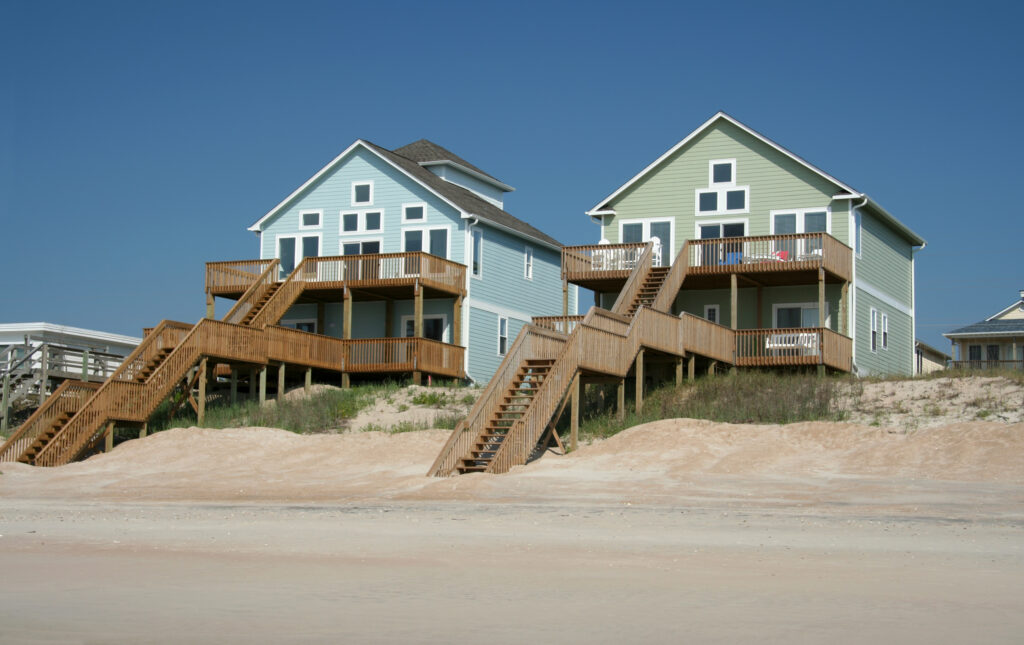
South Jersey experiences both predictable seasonal flooding and unpredictable storm surges.
Improve Drainage & Grading
- Ensure soil slopes away from your home.
- Clear gutters annually (or install gutter guards).
- Keep downspouts extended 6+ feet from the foundation.
Install Flood Protection Systems
- Smart sump pump with backup battery
- French drain system
- Backflow preventer on plumbing lines
- Flood vents if you have a crawl space or garage below base flood elevation
Storm Windows & Doors
- Install impact-rated windows
- Use storm shutters or temporary hurricane panels
- In addition, reinforce garage doors (they are a major failure point in high wind)
Prepare for Power Outages
- Consider a whole-home generator
- Install surge protectors for HVAC, appliances, and electronics
- Also keep batteries and backup lighting on hand
5. Protect Outdoor Equipment — Especially HVAC Units
Air conditioners located near the shore suffer severe corrosion.
Recommended protections:
- Use a coastal-rated HVAC system (aluminum or coated components)
- Rinse condenser coils with fresh water monthly
- Apply anti-corrosion spray to exposed metal
- Install a storm anchor kit for high-wind events
Other outdoor items to protect:
- Railings (upgrade to vinyl, composite, or powder-coated aluminum)
- Outdoor furniture (rinse often to remove salt)
- Grills (use a cover, clean regularly)
6. Prepare a Coastal Storm Readiness Plan
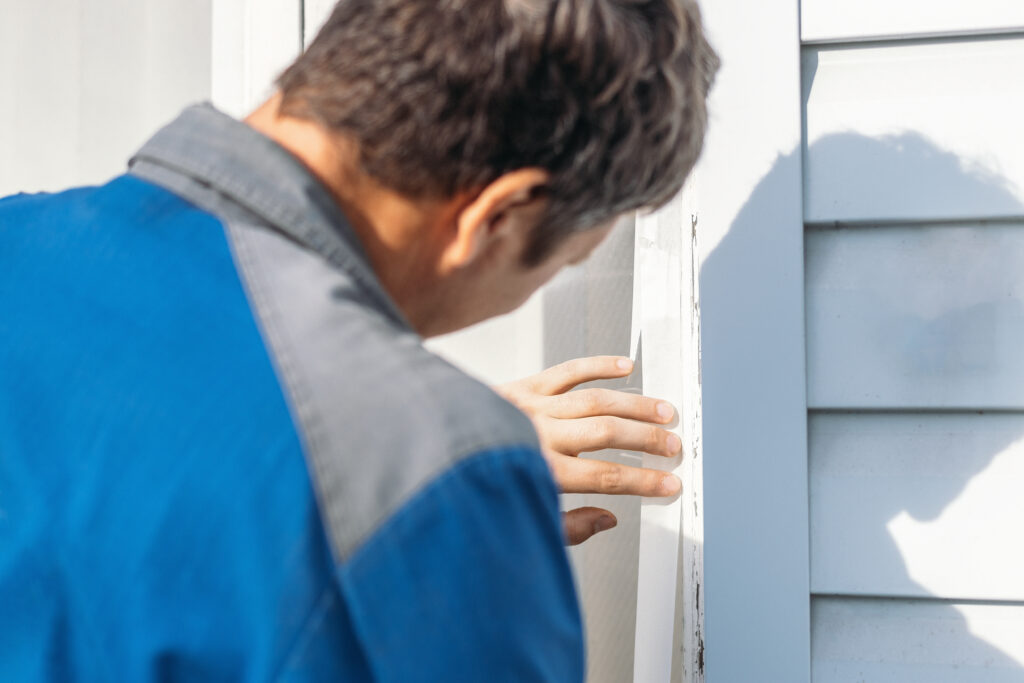
Even if a major storm misses the coast, a nor’easter can bring significant flooding and wind.
Before storm season (June–November):
- Inspect roof & gutters
- Trim weak or overhanging branches
- Tie down outdoor furniture
- Seal any cracks in windows or doors
- Secure propane tanks
- Test sump pump & backup battery
During a storm:
- Close storm shutters
- Move valuables to upper floors
- Shut off power if water rises near outlets
- Keep emergency supplies stocked
Afterward:
- Check for roof leaks
- Look for exterior damage
- Inspect crawl spaces and basements for standing water
- Document everything for insurance
7. Routine Maintenance Schedule for Coastal Homes
| Task | Frequency |
|---|---|
| Rinse siding & windows | Monthly |
| Rinse outdoor AC unit | Monthly |
| Seal decks & wood surfaces | 12–18 months |
| Roof inspection | Yearly (or after major storm) |
| Crawl-space moisture check | Monthly in summer |
| Gutter cleaning | Spring & Fall |
| Check for corrosion on hardware | Quarterly |
| Test sump pump | Every 3 months |
Following this schedule can add decades to the life of a shore property.
Final Thoughts

Coastal living in South Jersey brings beauty — but also unique maintenance challenges. By proactively protecting your home from salt-air corrosion, humidity, and storm damage, you can:
- Extend your home’s lifespan
- Reduce costly repairs
- Improve indoor air quality
- Increase property value
- Enjoy a safer, more comfortable home year-round
When you need help with the bigger tasks — like roofing checks, moisture control, or storm-readiness upgrades — Wynnow makes it easy with our trusted professionals who understand coastal homes. Flexible financing options may be available for qualifying services—visit our financing page to learn more. A little proactive care goes a long way in keeping your shore property resilient. If you found this blog helpful, please be sure to check us out on Facebook, Instagram and X for more!