
As summer comes to an end, many South Jersey homeowners begin preparing their pools for the colder months ahead. Properly closing a pool is more than simply turning off the pump and putting on a cover.
Taking time to prepare the water, equipment, plumbing, and surrounding area can help protect your pool and make reopening easier when warm weather returns.
Whether you have an above-ground or in-ground pool, here’s what to check before turning it off for the season.
Why Proper Pool Closing Matters
A pool that isn’t properly prepared for the offseason can develop problems while it’s not being used.
Cold temperatures, freezing water, debris, and improper chemical levels can potentially contribute to:
- Algae growth
- Water damage
- Frozen plumbing
- Equipment problems
- Surface staining
- Damaged filters and pumps
A proper closing process helps protect your investment and gives you a better starting point when it’s time to open the pool again.
1. Check the Pool Water Chemistry
Before closing your pool, test the water and make any necessary chemical adjustments.
Important factors include:
- pH
- Alkalinity
- Sanitizer levels
- Calcium hardness
Balanced water helps protect the pool’s surfaces and equipment while it sits unused.
If you’re using a winterizing chemical kit, follow the manufacturer’s instructions carefully and use the products appropriate for your pool.
2. Clean the Pool Thoroughly
Don’t close a dirty pool and expect the cover to solve the problem.
Before covering the pool:
- Remove leaves and debris
- Vacuum the pool
- Brush the walls
- Clean the steps
- Empty skimmer baskets
- Clean the waterline
Starting with clean water can help reduce the amount of organic material available for algae growth during the offseason.
3. Inspect the Pool Filter
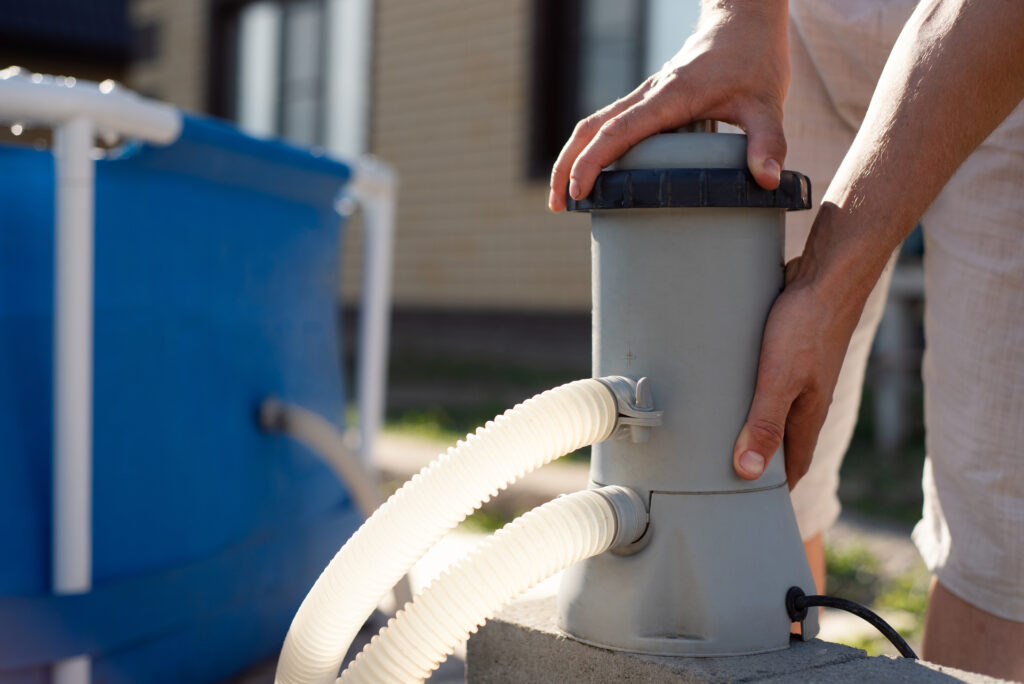
Your pool filter should be cleaned before the system is shut down.
Depending on the type of filter you have, this may involve:
- Backwashing
- Cleaning cartridges
- Cleaning filter grids
- Checking pressure readings
Follow the manufacturer’s maintenance instructions for your specific filter.
A clean filter can make the next pool-opening process easier.
4. Check the Pool Pump
Inspect your pool pump before shutting it down for the season.
Look for signs of:
- Leaks
- Unusual noises
- Cracks
- Worn seals
- Poor water circulation
If your pump has been making unusual noises or struggling to maintain proper circulation, it’s better to address the problem before the pool is closed.
5. Protect the Pool Plumbing From Freezing
One of the most important parts of winterizing a pool is protecting the plumbing from freezing temperatures.
Water left inside pool plumbing can expand when it freezes. That expansion can potentially damage pipes and equipment.
Depending on your pool configuration, winterization may involve:
- Lowering the water level
- Blowing water from plumbing lines
- Plugging appropriate lines
- Draining certain equipment
- Adding appropriate pool plumbing antifreeze where required
The exact process depends on the pool, plumbing configuration, equipment, and manufacturer’s instructions.
If you’re unsure how to properly winterize the plumbing, professional pool service can help.
6. Check Your Pool Heater
If your pool has a heater, it should be properly prepared before winter.
Depending on the type of heater, winterization may require draining water and protecting internal components from freezing temperatures.
Inspect the heater for:
- Leaks
- Corrosion
- Unusual noises
- Error messages
- Damaged connections
If you’ve noticed a problem during the swimming season, consider having it addressed before closing the pool.
7. Inspect Pool Electrical Equipment
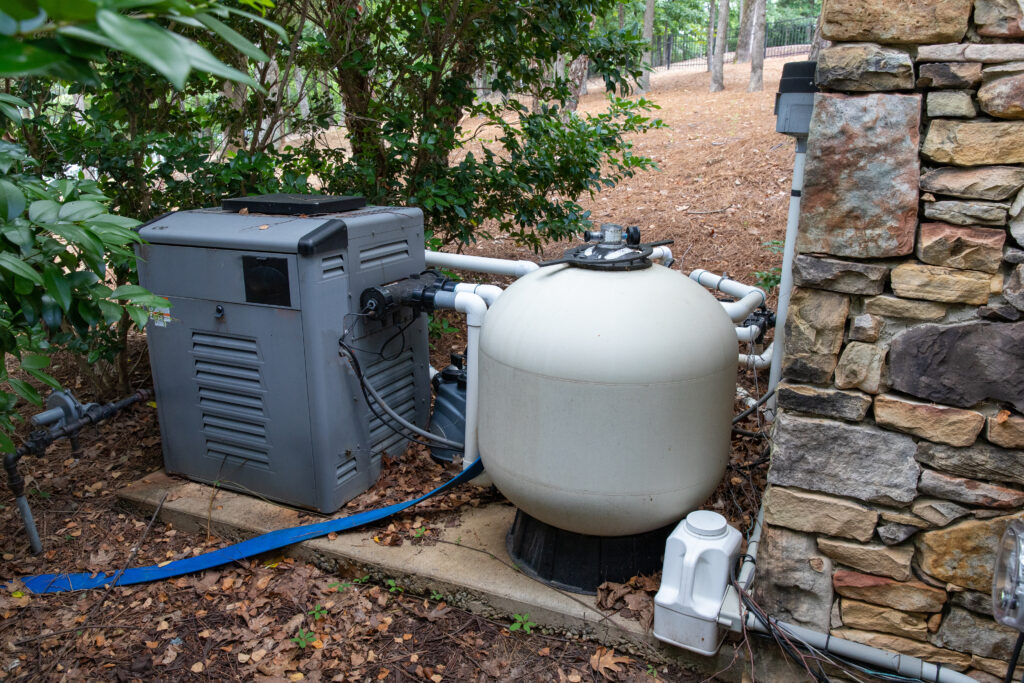
Pool electrical systems require special attention because water and electricity can create serious safety hazards.
Before closing the pool, inspect visible electrical equipment and connections for signs of:
- Damage
- Corrosion
- Loose components
- Water intrusion
- Physical deterioration
Pool pumps, heaters, lighting, timers, and other equipment should be properly maintained and winterized according to manufacturer instructions.
Never attempt to work on pool electrical wiring or electrical equipment if you aren’t qualified to do so.
If you notice electrical problems, have a qualified professional inspect the system.
8. Check Pool Lights
If your pool has underwater or exterior lighting, inspect the fixtures for obvious signs of damage.
Look for:
- Cracked fixtures
- Damaged wiring
- Water intrusion
- Flickering
- Lights that aren’t operating properly
If a pool light has been malfunctioning during the season, address it before closing whenever practical.
Pool lighting and wiring should be serviced by a qualified professional when electrical work is required.
9. Inspect the Pool Cover
Before installing your winter cover, inspect it for damage.
Check for:
- Tears
- Holes
- Worn straps
- Damaged anchors
- Weak areas
- Excessive wear
A damaged cover may not provide the protection your pool needs throughout the offseason.
Make sure the cover is properly installed and secured according to the manufacturer’s instructions.
10. Clean the Area Around the Pool
Don’t forget about the area surrounding the pool.
Remove or secure:
- Pool furniture
- Toys
- Floats
- Umbrellas
- Cleaning equipment
- Loose decorations
Store equipment in a dry, protected location whenever possible.
Keeping the area organized can also make your spring pool opening easier.
Should You Completely Drain Your Pool?
In most cases, completely draining an in-ground pool isn’t recommended simply for winterization.
Groundwater pressure and other conditions can create problems when a pool is emptied.
The appropriate water level depends on your pool type, cover, plumbing, and winterization method.
Follow the recommendations for your specific pool or consult a professional pool service provider.
What About Saltwater Pools?
Saltwater pools still need to be properly winterized.
Although a saltwater system generates chlorine differently than a traditional chlorine system, the pool still requires appropriate water chemistry, equipment preparation, and winterization.
Your salt cell and related equipment should be maintained according to the manufacturer’s recommendations.
How Early Should You Close Your Pool?
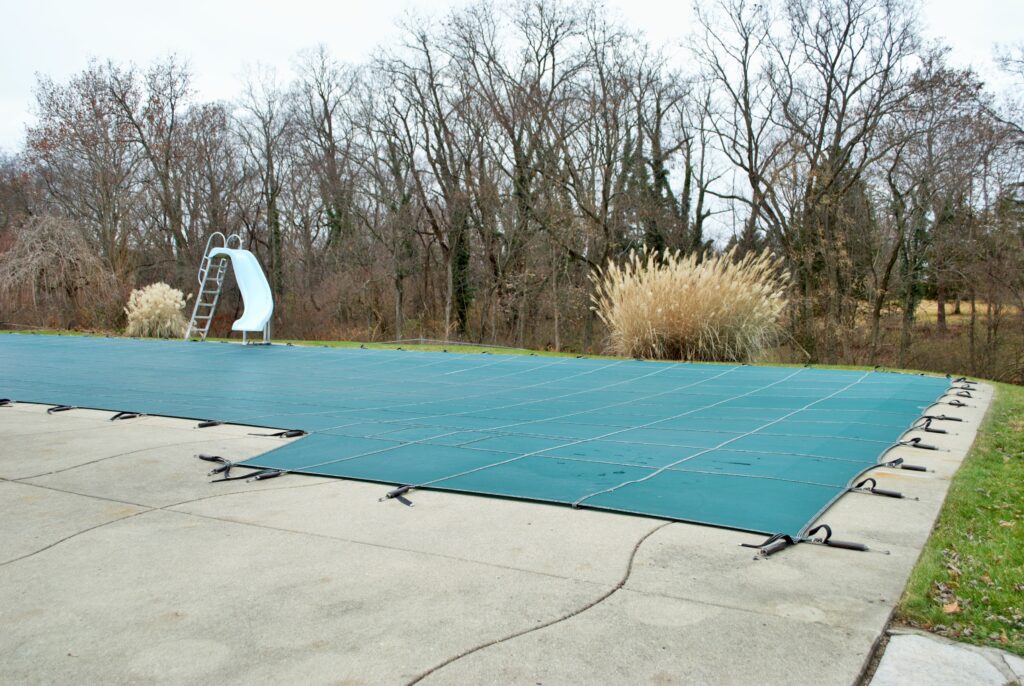
There’s no single date that works for every South Jersey pool.
Closing too early while temperatures are still consistently warm can make it more difficult to maintain water quality.
Waiting until freezing temperatures arrive can create problems if the plumbing hasn’t been properly winterized.
Many homeowners choose to close their pools when water temperatures remain consistently cool and swimming season has effectively ended.
The right timing depends on the weather and the type of pool and equipment you have.
Should You DIY Your Pool Closing?
Some homeowners handle basic pool-closing tasks themselves, such as cleaning the pool and balancing water chemistry.
More complicated winterization may require professional assistance.
Professional service can be particularly useful if you have:
- Complex plumbing
- A pool heater
- A saltwater system
- Multiple pumps
- Automated equipment
- In-ground plumbing
- Pool electrical equipment
- Uncertainty about the proper winterization process
The goal is to make sure the equipment and plumbing are properly protected before temperatures drop.
Common Pool Closing Mistakes
Avoid these common mistakes when preparing your pool for the offseason:
Closing a Dirty Pool
Debris and poor water chemistry can create problems during the winter.
Ignoring Equipment Problems
If your pump, filter, heater, or lighting has a problem, closing the pool doesn’t make the problem disappear.
Failing to Winterize Plumbing
Water left in vulnerable plumbing can freeze and expand.
Using the Wrong Chemicals
Always follow product instructions and use chemicals appropriate for your pool.
Installing a Damaged Cover
A worn or damaged cover may not adequately protect the pool.
Forgetting Electrical Equipment
Pool electrical components should be inspected and maintained safely before the pool is shut down.
Preparing Your Pool for the Next Season
Proper fall preparation can make spring opening easier.
Before closing, consider documenting:
- Water chemistry readings
- Equipment settings
- Filter type and maintenance
- Winterization steps
- Any repairs that need to be completed
- Equipment that should be serviced before opening
This information can help you remember what needs attention when the next swimming season begins.
Pool and Electrical Services in South Jersey
South Jersey homeowners rely on their pools throughout the summer, but proper offseason preparation is just as important.
From pool equipment maintenance to electrical inspections and repairs, keeping your pool area and equipment in good condition can help protect your investment.
Homeowners in areas such as:
- Hammonton
- Egg Harbor Township
- Mays Landing
- Galloway
- Berlin
- Waterford
- Surrounding South Jersey communities
can benefit from professional pool maintenance and electrical services.
Final Thoughts

Closing your pool for the season involves more than putting on the cover. Cleaning the pool, balancing the water, inspecting equipment, protecting plumbing from freezing, and checking electrical components can all help prepare your pool for the offseason.
If you’re unsure about any part of the winterization process, professional help can give you peace of mind and help protect your pool equipment.
If your pool needs maintenance, equipment service, or electrical assistance before the season ends, WYNNOW is here to help. We provide professional pool maintenance, electrical services, and home services throughout South Jersey to help homeowners prepare their properties for every season. Also if you found this blog helpful, also please be sure to check us out on Facebook, Instagram and X for more!