

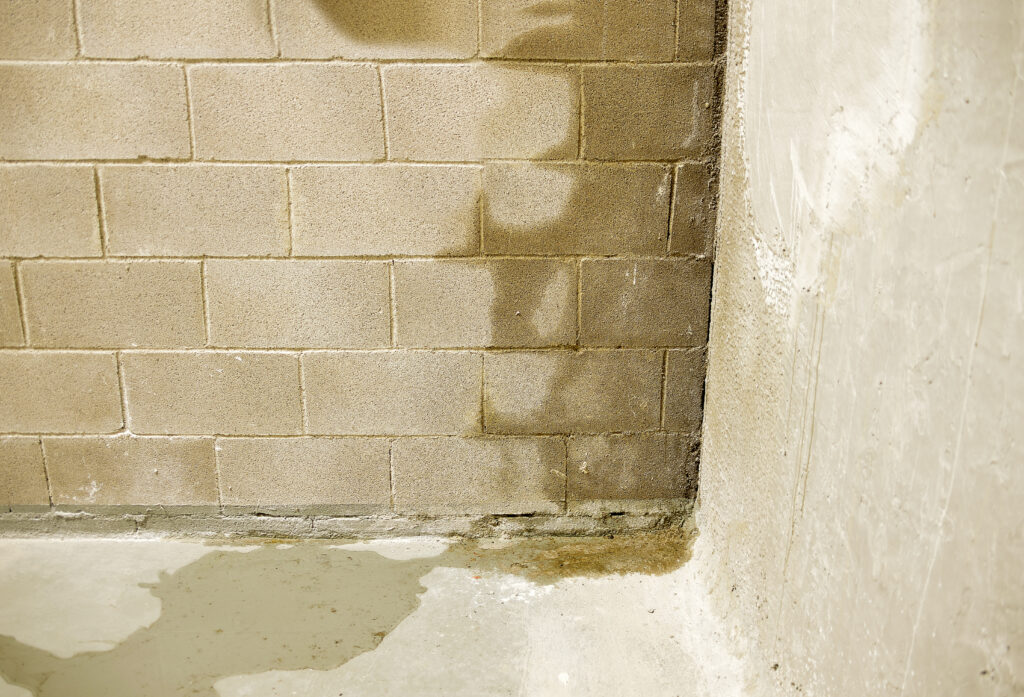
As temperatures begin to drop and fall rain becomes more frequent, many homeowners notice that their basements start to feel damp, smell musty, or develop moisture on the walls and floors. Even if your basement stayed relatively dry throughout the summer, changing weather conditions can introduce new moisture problems during the fall.
A damp basement is more than an inconvenience. Persistent moisture can contribute to mold growth, damage stored belongings, deteriorate building materials, and indicate problems with your home’s drainage, foundation, or plumbing.
Understanding why your basement gets damp in the fall can help you identify the source of the moisture and determine which steps can help protect your home before winter arrives.
Common Causes of Fall Basement Moisture
Fall weather creates several conditions that can allow moisture to enter your basement or accumulate inside it. Cooler temperatures, seasonal rainfall, changing groundwater levels, and differences between indoor and outdoor humidity can all contribute to the problem.
Here are some of the most common causes.
1. Heavy Fall Rain and Poor Drainage
One of the most common reasons basements become damp in the fall is increased rainfall. When rainwater collects around your home’s foundation, it can put pressure on basement walls and floors, allowing moisture to seep through small cracks, joints, or porous concrete.
This is especially common when the ground becomes saturated after several days of rain.
Water may enter your basement because of:
- Poor grading around the foundation.
- Clogged or overflowing gutters.
- Downspouts that discharge water too close to the house.
- Low areas in the yard where rainwater collects.
- Damaged or improperly functioning exterior drainage systems.
What you can do: Check the ground around your home after a heavy rain. Water should flow away from the foundation rather than toward it. Clean your gutters, clear downspouts, and extend downspout outlets so water is directed away from the house.
If water continues collecting near your foundation, you may need professional help correcting the grading or evaluating your drainage system.
2. Changes in Groundwater Levels
Fall rain can saturate the soil surrounding your home and increase groundwater levels. When the ground becomes saturated, water pressure against basement walls and beneath the foundation can increase.
This pressure, sometimes called hydrostatic pressure, can force water through cracks, construction joints, and other vulnerable areas.
You may notice:
- Damp spots along the bottom of basement walls.
- Water appearing where the walls meet the floor.
- Moisture coming through visible foundation cracks.
- Water collecting on the basement floor after prolonged rainfall.
Groundwater-related moisture can be difficult to resolve with surface-level fixes alone. Depending on the cause, solutions may include exterior drainage improvements, foundation repairs, or an appropriately designed interior drainage and sump pump system.
If water enters your basement repeatedly after storms, have the source evaluated rather than simply cleaning up the water each time.
3. Clogged Gutters and Downspouts
Falling leaves, twigs, and other debris can quickly clog gutters during autumn. When gutters cannot carry rainwater away from your roof, water may spill over the edges and collect around your home’s foundation.
This can increase the amount of moisture surrounding basement walls and raise the risk of leaks.
Signs that your gutters may be contributing to a damp basement include:
- Water overflowing from gutters during rain.
- Soil erosion or puddles beneath the roofline.
- Downspouts that are blocked or disconnected.
- Damp basement walls after storms.
- Water collecting near foundation corners.
Prevention tip: Clean your gutters in the fall and inspect them again after major leaf drop. Make sure downspouts are clear and discharge water a safe distance from the foundation.
Keeping your gutters in good condition is one of the simplest ways to reduce unnecessary water exposure around your basement.
4. Condensation on Cold Basement Surfaces
Not every damp basement has a leak. Sometimes the moisture comes from condensation.
Condensation occurs when warm, humid air contacts a surface that is cold enough for water vapor to turn into liquid. Basement walls, concrete floors, metal pipes, and other cool surfaces can collect moisture when indoor humidity is high.
During the fall, outdoor temperatures can fluctuate significantly. Your basement may remain cool while warmer air enters through open windows, doors, or ventilation openings.
This can lead to condensation on surfaces that were previously dry.
Common signs include:
- Small droplets on water pipes.
- Moisture on cold concrete walls or floors.
- Dampness that appears without visible water entering from outside.
- A clammy feeling throughout the basement.
- Moisture concentrated on cooler surfaces rather than around a specific crack.
What you can do: Use a hygrometer to measure basement humidity. A relative humidity level around 30% to 50% is generally a useful target for indoor spaces, although conditions vary by home and season.
If humidity remains high, a dehumidifier may help. Avoid bringing in warm, humid outdoor air when it is likely to condense on cool basement surfaces.
If moisture persists, investigate other potential sources rather than assuming condensation is the only problem.
5. Foundation Cracks and Deteriorating Seals
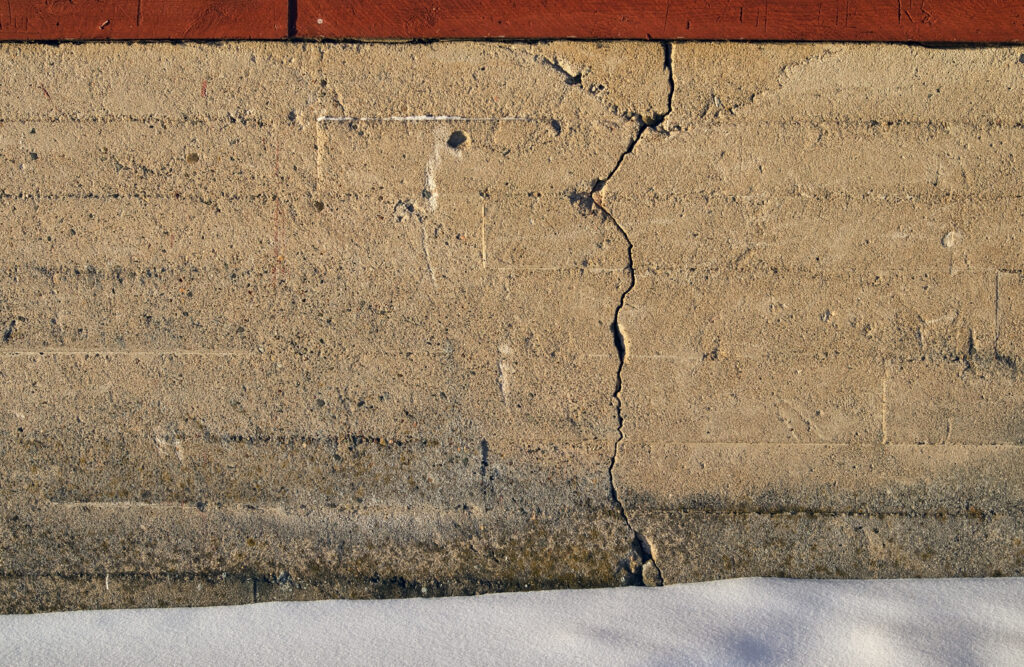
Small foundation cracks can develop as concrete cures, buildings settle, or materials respond to changing temperatures and moisture conditions. Some cracks are relatively minor, but others can allow rainwater and groundwater to enter.
Fall rain may make an existing foundation problem more noticeable because more water is pressing against the exterior of the basement.
Watch for:
- Damp lines or stains running down foundation walls.
- White, chalky deposits on concrete called efflorescence.
- Peeling paint or bubbling wall coatings.
- Cracks that appear to be growing.
- Water seeping through wall-floor joints.
Efflorescence is a sign that moisture has moved through masonry and left mineral deposits behind. It does not necessarily mean water is actively leaking, but it is worth investigating.
Avoid covering damp walls with waterproof paint before identifying the source. Surface coatings may not solve the underlying problem and can sometimes conceal continuing moisture damage.
If cracks are widening, leaking, or accompanied by bowing walls or uneven floors, arrange a professional inspection promptly.
6. Poor Basement Ventilation
Basements often have less natural airflow than other parts of the house. When moisture enters the space, limited ventilation can allow humid air and musty odors to linger.
Laundry equipment, indoor drying racks, plumbing leaks, and moisture entering through the foundation can all increase humidity. Without adequate moisture control, the basement may stay damp even after the weather improves.
To improve basement conditions:
- Keep air moving with appropriate fans or ventilation.
- Avoid drying large amounts of laundry in an unventilated basement.
- Check for leaks around sinks, washing machines, and utility connections.
- Keep storage items away from damp walls.
- Use a dehumidifier when necessary.
- Make sure dryer exhaust is vented outdoors as designed.
Simply opening basement windows is not always the best solution. On warm, humid days, outdoor air can introduce additional moisture that condenses on cooler basement surfaces.
7. Plumbing Leaks and Sweating Pipes
Sometimes a damp basement has nothing to do with rain or groundwater. A leaking pipe, loose connection, water heater, washing machine hose, or drain line can introduce moisture directly into the space.
Small plumbing leaks may go unnoticed because water can travel along pipes, framing, and concrete before becoming visible.
Check for:
- Wet spots beneath plumbing connections.
- Rust or corrosion around fittings.
- Dripping valves or supply lines.
- Water around the base of a water heater.
- Unexplained puddles near a laundry area.
- Moisture forming on cold-water pipes.
Condensation on pipes can also create dripping water that looks like a leak. Insulating appropriate cold-water pipes may help reduce this problem.
If you suspect a plumbing leak, address it promptly. Even a slow drip can damage nearby materials and create conditions that encourage mold growth.
8. A Sump Pump or Drainage System That Is Not Working Properly
Homes with a history of basement water problems may rely on a sump pump or drainage system to help manage groundwater.
During a rainy fall, these systems may need to handle more water than usual. A failed pump, stuck float switch, clogged discharge line, or power interruption can allow water to accumulate.
Before the wettest part of the season, inspect your sump pump system.
Check that:
- The pump turns on when water reaches the appropriate level.
- The discharge line is clear.
- Water is directed away from the foundation.
- The sump pit is free of obvious debris.
- Any backup system is maintained according to the manufacturer’s instructions.
If your basement has flooded before, consider whether a battery backup or another appropriate backup arrangement is needed.
Never enter standing water to inspect electrical equipment. If water is near outlets, wiring, appliances, or your electrical panel, stay out of the affected area and contact a qualified professional to determine when it is safe to proceed.
9. Poor Exterior Grading and Landscaping
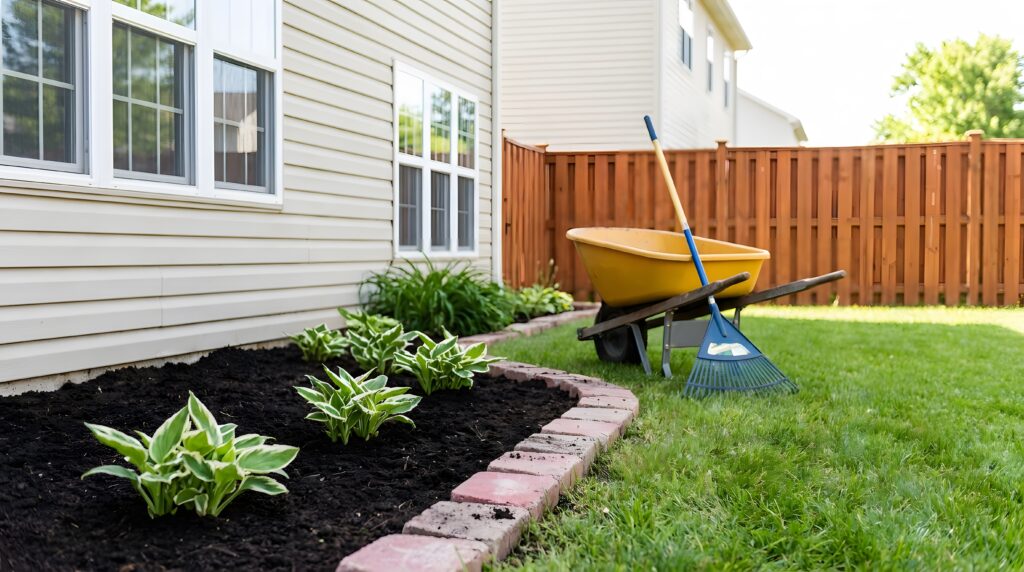
The slope of the ground around your house plays an important role in keeping your basement dry.
If soil settles near the foundation or landscaping creates low areas, rainwater may flow toward the house instead of away from it. Mulch beds, garden edging, walkways, and additions can sometimes change drainage patterns as well.
Look for:
- Puddles that remain near the foundation after rain.
- Soil sloping toward the house.
- Erosion around downspouts.
- Low spots beside basement windows.
- Window wells that collect leaves and water.
Correcting drainage may involve adjusting soil grades, clearing window wells, improving downspout discharge, or evaluating exterior drainage systems.
Be careful not to cover siding, block drainage openings, or create a slope that sends water toward a neighboring property. Significant grading or drainage work should be planned appropriately for the property.
How to Tell Whether Your Damp Basement Has a Leak or Condensation
Identifying the source of moisture is an important first step because different problems require different solutions.
| What you notice | Possible cause |
|---|---|
| Water appears after heavy rain | Foundation seepage or poor drainage |
| Dampness along the wall-floor joint | Groundwater pressure or drainage problems |
| Water droplets on cold pipes | Pipe condensation |
| Musty air throughout the basement | High humidity or hidden moisture |
| Wet spots near plumbing | A plumbing leak |
| White mineral deposits on concrete | Moisture moving through masonry |
| Water collecting in window wells | Poor window-well drainage |
| Basement water rises during prolonged rain | Groundwater intrusion or drainage-system problems |
These clues can help narrow down the cause, but they are not a definitive diagnosis. More than one issue can occur at the same time.
For example, clogged gutters may increase water around the foundation while high indoor humidity creates condensation on basement pipes.
How to Prevent Basement Dampness Before Winter
Fall is an ideal time to address basement moisture before freezing temperatures and winter storms arrive.
1. Clean Your Gutters and Check Downspouts
Remove leaves and debris so rainwater can flow freely. Check downspouts for blockages and make sure they direct water away from the foundation.
2. Inspect Your Foundation
Look for new cracks, water stains, peeling coatings, or white mineral deposits. Take photographs of concerning areas so you can compare them over time.
Do not ignore cracks that are growing or signs of structural movement.
3. Check Basement Windows and Window Wells
Remove leaves and debris from window wells. Inspect seals around basement windows and make sure water can drain properly instead of collecting against the window.
4. Monitor Indoor Humidity
A hygrometer can help you determine whether humidity is contributing to the problem. If necessary, use a properly sized dehumidifier and empty or drain it according to the manufacturer’s instructions.
Keep in mind that a dehumidifier will not fix an active foundation leak or plumbing problem.
5. Inspect Plumbing and Appliances
Check water supply lines, drain connections, washing machine hoses, water heaters, and other equipment for signs of leakage. Repair problems before colder weather makes access or maintenance more difficult.
6. Test Your Sump Pump
If your home has a sump pump, follow the manufacturer’s recommended testing and maintenance procedures. Address unusual noises, failure to activate, or discharge problems before heavy rainfall.
7. Store Belongings Properly
Keep cardboard boxes, fabrics, paper products, and other moisture-sensitive belongings off basement floors. Use shelving and leave space between stored items and exterior walls to improve airflow and make inspections easier.
If belongings become wet, dry them promptly and assess whether they can be cleaned safely. Porous materials that remain wet may need to be discarded.
8. Seal Air Leaks and Address Insulation Problems
Gaps around windows, doors, pipes, and other penetrations can allow unwanted air and moisture into the basement. Appropriate air sealing and insulation can help improve comfort and reduce some condensation problems.
However, basement insulation and air sealing must be planned carefully to avoid trapping moisture inside wall assemblies. If the basement has recurring dampness, identify and correct the water source before undertaking major finishing or insulation work.
Can a Damp Basement Cause Mold?
Yes. Persistent moisture can create conditions that support mold growth, particularly when damp materials include drywall, wood, carpeting, insulation, or stored belongings.
Potential warning signs include:
- A persistent musty smell.
- Dark or discolored patches on walls or stored items.
- Peeling paint or damaged drywall.
- Soft or deteriorating wood.
- Repeated condensation on surfaces.
Mold is not always visible. It can grow behind finished walls, beneath flooring, or inside stored materials when moisture remains trapped.
The most important step is to correct the moisture source and dry affected materials promptly. Cleaning visible mold without resolving the moisture problem usually does not prevent it from returning.
For extensive mold growth, contaminated HVAC systems, or moisture damage involving large areas, consider a qualified remediation professional. People with asthma, allergies, or other respiratory sensitivities may need to avoid disturbing affected materials.
When Should You Call a Professional About a Damp Basement?
Occasional humidity may be manageable with routine maintenance and moisture control. However, recurring water intrusion or persistent dampness deserves closer attention.
Consider professional assistance if:
- Water repeatedly enters after rain.
- Foundation cracks are leaking or getting larger.
- Basement walls appear to bow or shift.
- You notice widespread mold or persistent musty odors.
- Water collects near electrical equipment.
- Your sump pump repeatedly fails or cannot keep up.
- Plumbing leaks continue despite basic troubleshooting.
- Dampness persists after you improve ventilation and humidity control.
The right professional depends on the source. A plumber can investigate plumbing leaks, while a qualified basement waterproofing or drainage specialist can evaluate recurring groundwater intrusion. Structural concerns may require an appropriately qualified structural professional.
If water is close to electrical equipment, do not enter the flooded area or touch affected equipment. Contact emergency services or qualified electrical assistance as appropriate.
What Does It Cost to Fix a Damp Basement?
The cost depends on the cause, severity, accessibility, and extent of the damage. A minor plumbing repair or humidity-control solution is generally less involved than extensive drainage work or foundation repairs.
Common expenses may include:
- Gutter cleaning and downspout adjustments: Routine maintenance or minor drainage improvements.
- Dehumidifier installation: Equipment and setup costs that depend on capacity and drainage requirements.
- Plumbing repairs: Costs vary based on the location and complexity of the leak.
- Foundation crack repairs: Pricing depends on the crack, the source of water, and the repair method.
- Sump pump repairs or replacement: Costs depend on the pump, discharge setup, and whether backup equipment is needed.
- Basement waterproofing and drainage: Larger projects may require excavation, drainage systems, or other specialized work.
Because basement moisture can have several causes, an inspection is often the best way to avoid paying for a solution that does not address the actual problem.
For example, installing a dehumidifier may improve condensation but will not correct a leaking foundation. Likewise, sealing a visible crack may not resolve water pressure caused by poor exterior drainage.
Why Fall Basement Maintenance Matters in South Jersey
Homeowners throughout South Jersey can experience basement dampness when autumn rain, saturated soil, and changing temperatures place additional demands on drainage and foundation systems.
In areas such as Hammonton, Folsom, Atco, and Mays Landing, seasonal maintenance can help homeowners identify problems before winter weather arrives.
Pay particular attention to:
- Gutters and downspouts after leaves begin falling.
- Basement walls and floors after prolonged rain.
- Low spots around the foundation.
- Sump pumps and drainage equipment.
- Plumbing lines and utility areas.
- Basement windows and window wells.
Homes vary in age, foundation construction, grading, and drainage conditions, so the best solution depends on the property and the source of the moisture.
Addressing a small drainage or plumbing issue early can help prevent a more disruptive repair later.
Final Thoughts

If your basement gets damp in the fall, the cause could be anything from condensation and clogged gutters to foundation seepage, groundwater pressure, or a plumbing leak. The key is to identify where the moisture is coming from instead of treating the symptoms alone.
Start by inspecting your gutters, downspouts, foundation, plumbing, and sump pump. Monitor indoor humidity and pay attention to when the dampness appears, especially after heavy rain. If the problem keeps returning or you notice structural damage, persistent leaks, or significant mold growth, have it evaluated by a qualified professional.
Taking care of basement moisture now can help protect your home’s structure, belongings, and indoor environment throughout the colder months.
If you need help addressing plumbing, drainage-related maintenance, or other home service needs, WYNNOW is here to help you manage your home service needs in one trusted and easy-to-use place. Also if you found this blog informative, please be sure to check us out on Facebook, Instagram and X!