
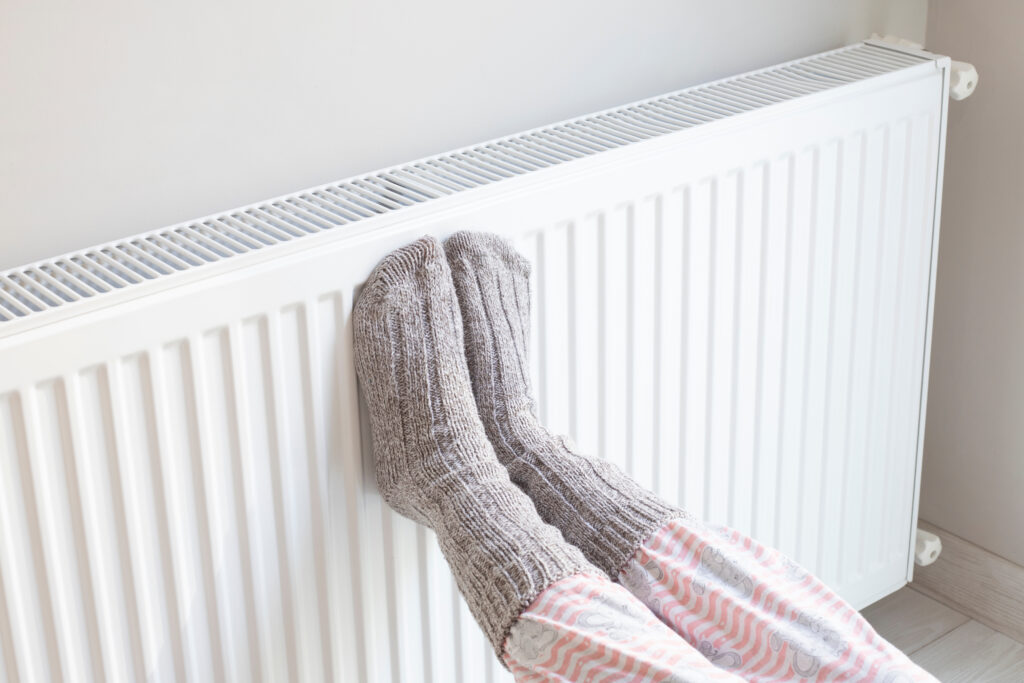
When temperatures drop in the fall and winter, you expect your heating system to keep your home comfortable. But what happens when the heat is running, the thermostat says your system is on, and your house still feels cold?
A home that never seems to warm up can be frustrating, especially during a New Jersey cold snap. You might notice certain rooms staying chilly, cold air coming from the vents, drafts near windows, or a heating system that runs constantly without reaching the temperature you set.
Several issues can cause this problem. Your heating system may not be producing enough heat, warm air may not be circulating properly, or your home may be losing heat faster than the system can replace it. In some cases, the solution is as simple as changing a dirty air filter. In others, you may need professional HVAC service or improvements to your home’s insulation and air sealing.
Understanding why your house stays cold with the heat running can help you identify the problem, improve indoor comfort, and avoid unnecessary heating costs.
1. Your Thermostat May Not Be Set Correctly
Before assuming your furnace or heat pump is malfunctioning, check your thermostat settings. Incorrect settings can prevent your heating system from operating as expected.
Common thermostat problems include:
- The fan is set to ON instead of AUTO. With many forced-air systems, the fan may continue circulating air between heating cycles. When the furnace is not actively heating, that air can feel cool.
- The temperature setting is too low. Your home may not feel warm enough if the thermostat is set below your preferred comfort level.
- The thermostat is in the wrong mode. Make sure it is set to HEAT rather than COOL or FAN.
- The batteries are weak. Some thermostats may behave unpredictably when their batteries need replacement.
- The thermostat is poorly located. A thermostat near a drafty window, exterior door, or heat-producing appliance may not accurately represent the temperature throughout your home.
Smart thermostats can also have schedules or energy-saving settings that lower the temperature at certain times of the day.
What you can do: Confirm that the thermostat is set to HEAT, review the schedule, and check the fan setting. If your system uses a forced-air furnace, AUTO is generally a good starting point for normal heating operation.
If the thermostat display is blank, readings seem inaccurate, or the system does not respond to adjustments, a technician can help determine whether the thermostat or its wiring needs attention.
2. Your Furnace Air Filter Is Dirty
A dirty furnace filter is one of the most common reasons a home may not heat properly.
Your heating system needs adequate airflow to distribute warm air throughout the house. When a filter becomes clogged with dust, pet hair, and other debris, it restricts that airflow.
This can lead to:
- Weak airflow from supply vents.
- Rooms that take longer to warm up.
- A furnace that runs longer than usual.
- Overheating and automatic shutdowns on some furnaces.
- Reduced heating efficiency.
In certain systems, severe airflow restrictions can cause the furnace to shut down its burners as a safety measure while the blower continues operating. You may feel air moving through the vents without getting the heat you expect.
What you can do: Check your filter and replace it if it is dirty, following the manufacturer’s recommended schedule and filter specifications. Homes with pets, heavy dust, or frequent system use may need more frequent filter changes.
Avoid installing a filter with a higher resistance rating than your system can accommodate. A filter that is too restrictive can create additional airflow problems.
If changing the filter does not improve heating performance, the issue may involve the blower, ductwork, or another component that needs professional attention.
3. Your Heating System Is Not Producing Enough Heat
Sometimes the system is running, but it is not generating enough heat to warm the home.
The possible causes depend on whether you have a gas furnace, electric furnace, boiler, or heat pump.
Gas furnace problems
A gas furnace may struggle to heat your home because of ignition problems, a malfunctioning flame sensor, burner issues, or another component failure.
You might notice that the furnace starts and stops frequently, produces little heat, or repeatedly attempts to start.
Electric furnace problems
Electric furnaces use heating elements to warm the air. If one or more elements fail, the system may continue running but deliver less heat than expected.
Heat pump problems
Heat pumps move heat rather than generating it in the same way as a conventional furnace. During very cold weather, their heating capacity can decrease, and auxiliary heat may be needed depending on the equipment and outdoor conditions.
If the system cannot keep up, indoor temperatures may fall even while heat continues running, thus your house will remain cold.
Boiler problems
A boiler may run without adequately heating the house if there is a circulation problem, an issue with the burner, trapped air in certain systems, or a malfunctioning control.
What you can do: Pay attention to whether your system produces consistently warm air or water, whether it cycles unusually, and whether the home temperature continues dropping. If the heating system is running but not delivering enough heat, schedule an HVAC or heating-system inspection.
Do not attempt to repair gas burners, electrical heating elements, or internal combustion components yourself.
4. Your Air Vents Are Blocked or Closed
Even when your furnace produces plenty of heat, blocked supply vents can prevent that heat from reaching the rooms that need it.
Furniture, rugs, curtains, and storage items can restrict airflow. Some homeowners also close vents in unused rooms in an attempt to save energy, but this can interfere with the airflow balance in certain forced-air systems.
Check for:
- Furniture covering supply registers.
- Rugs blocking floor vents.
- Curtains hanging over registers.
- Closed or partially closed vents.
- Blocked return-air grilles.
Return-air vents are especially important because they allow air to circulate back to the heating system. If they are blocked, airflow and comfort can suffer.
What you can do: Make sure supply vents and return grilles are unobstructed. Keep vents open unless your system’s manufacturer or an HVAC professional recommends otherwise.
If some rooms of your house remain cold with the heat running despite clear vents, the problem could involve duct balancing, duct sizing, or the overall distribution system.
5. Your Ductwork Is Leaking or Poorly Insulated
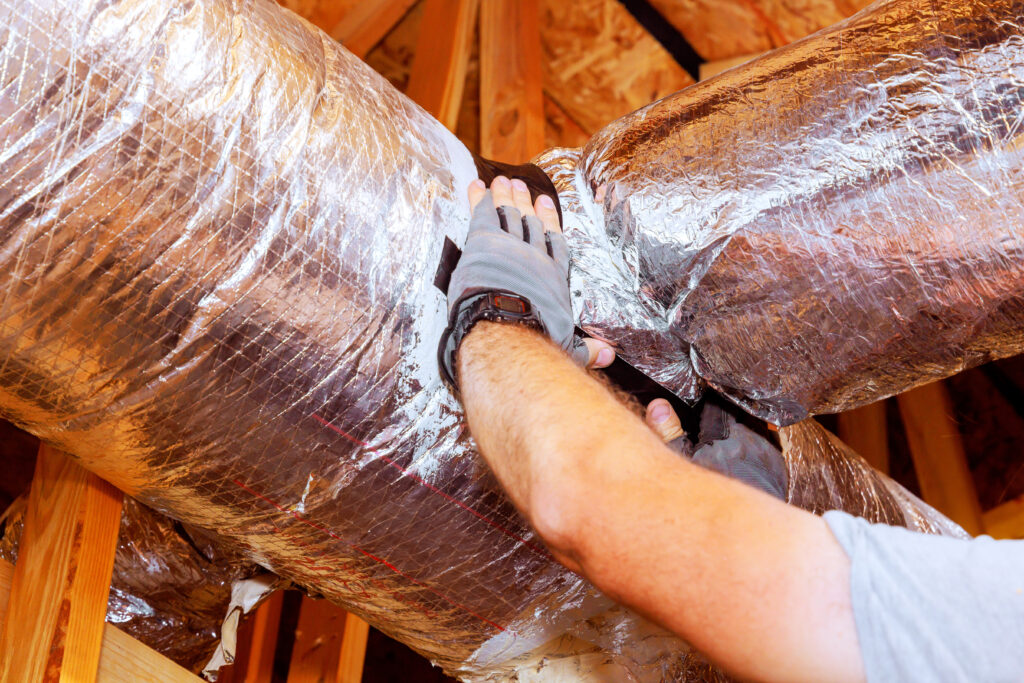
Forced-air heating systems rely on ductwork to carry warm air from the furnace to rooms throughout your home. If ducts leak or lose too much heat, the air reaching your living spaces may be cooler than expected.
This is particularly important when ductwork runs through unheated spaces such as attics, crawl spaces, garages, or unfinished basements.
Potential ductwork problems include:
- Loose or disconnected joints.
- Damaged or deteriorating duct sections.
- Leaks around fittings and connections.
- Poor insulation around ducts in unconditioned areas.
- Ducts that are improperly sized for the system.
A leaking duct can also pull dust or other contaminants into the air stream, depending on its location and the pressure conditions.
Signs of ductwork problems include uneven temperatures between rooms, weak airflow, unusual dust accumulation, and heating bills that seem high for the amount of comfort you receive.
What you can do: Check accessible ductwork for obvious damage or disconnected sections, but avoid disturbing insulation or attempting repairs in hazardous or inaccessible areas. An HVAC professional can inspect the system, test airflow, and identify leaks or insulation problems.
Proper duct sealing and insulation can improve heat delivery and reduce energy waste.
6. Your Home Has Drafts and Air Leaks
Your heating system may be working correctly while your home loses heat through gaps around windows, doors, and other openings.
Cold air can enter through:
- Gaps around exterior doors.
- Worn weatherstripping.
- Cracked or deteriorated caulking.
- Window frames and trim.
- Openings around plumbing or electrical penetrations.
- Attic hatches and other gaps between conditioned and unconditioned spaces.
These leaks can make a room feel colder with the heat running even when the thermostat indicates that the house is close to the desired temperature.
Drafts can also create uneven temperatures from one area of the home to another. For example, a living room near a poorly sealed exterior door may feel chilly while a nearby hallway remains comfortable.
What you can do: Inspect window and door seals, replace worn weatherstripping, and seal appropriate gaps with suitable materials. Use caution around electrical wiring, gas lines, combustion-air openings, and other areas where sealing could create a safety issue.
For persistent drafts, a professional energy assessment can help identify less obvious air leaks and determine which improvements will have the greatest impact.
7. Your Home Does Not Have Enough Insulation
Air leaks allow outside air to enter, while insufficient insulation allows heat to pass through the building envelope more easily.
If your attic, exterior walls, floors, or crawl space are poorly insulated, your heating system may struggle to maintain a comfortable indoor temperature.
Common warning signs include:
- Upstairs rooms that are noticeably colder than expected.
- Cold ceilings or exterior walls.
- Large temperature differences between floors.
- Rooms that cool down quickly after the heating system stops.
- Ice buildup along roof edges in winter, which can have several causes, including heat loss through the roof.
Older homes may have insulation that has settled, become damaged, or never met modern performance expectations. However, even newer homes can have insulation gaps or areas where installation was incomplete.
What you can do: Start by checking accessible attic insulation and looking for obvious gaps around attic hatches or penetrations. Avoid compressing insulation, blocking ventilation pathways, or covering recessed lights and other equipment unless the installation is approved for that purpose.
An insulation contractor or qualified energy auditor can assess the building envelope and recommend improvements.
Remember that adding insulation without addressing significant air leaks or moisture issues may not solve every comfort problem. A coordinated approach is often more effective.
8. Your Windows Are Letting Heat Escape
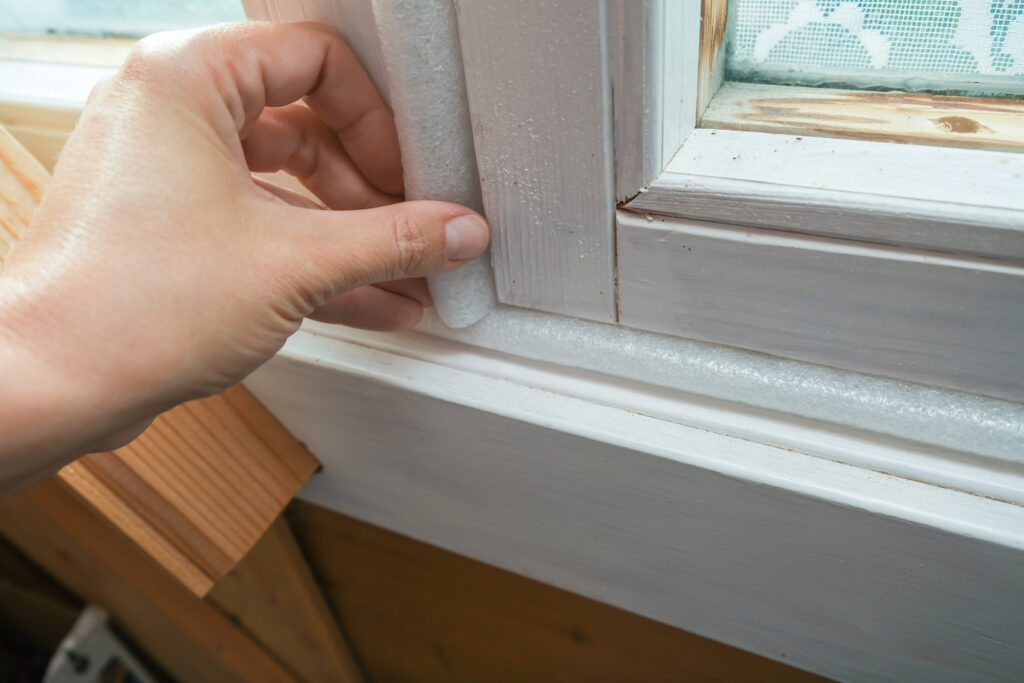
Windows can be a significant source of heat loss, particularly when they are old, poorly sealed, or single-pane.
You may notice that rooms near windows feel colder than the rest of the house with the heat running, even when warm air is coming from nearby vents.
Possible causes include:
- Drafts around window frames.
- Worn seals.
- Single-pane glass.
- Poorly insulated window frames.
- Cold air movement near the glass.
Even a window that does not leak air can feel cold on the inside surface during winter. Air near the glass cools and moves downward, which can make the area around the window feel drafty.
What you can do: Inspect window caulking and weatherstripping, use properly fitted insulated curtains when appropriate, and make sure window locks pull the sash tightly against its seals.
If your windows are damaged or very inefficient, replacement may be worth considering. However, window replacement is not always the first or most cost-effective solution. Air sealing and attic insulation may offer greater benefits depending on your home’s condition.
9. Your Heating System Is Too Small for Your Home
A heating system must be appropriately sized for the home’s heating needs.
If a furnace or heat pump is undersized, it may run for long periods without reaching the desired indoor temperature during particularly cold weather.
System sizing depends on several factors, including:
- The home’s square footage and layout.
- Insulation levels.
- Air leakage.
- Ceiling heights.
- Window size and performance.
- Local winter design temperatures.
- The type and efficiency of the heating equipment.
A system that was properly sized when installed may also struggle after a renovation, an addition, or a change to the home’s layout.
However, a system running for long periods is not automatically a sign that it is undersized. Some modern heating systems are designed to operate for extended periods at lower output, and heat pumps may run continuously in cold weather as part of normal operation.
What you can do: If the house consistently fails to reach the thermostat setting, have a professional evaluate the equipment’s performance and the home’s heating load.
A proper load calculation is more reliable than choosing a replacement system based only on square footage or the size of the existing equipment.
10. Your Heating System Needs Maintenance
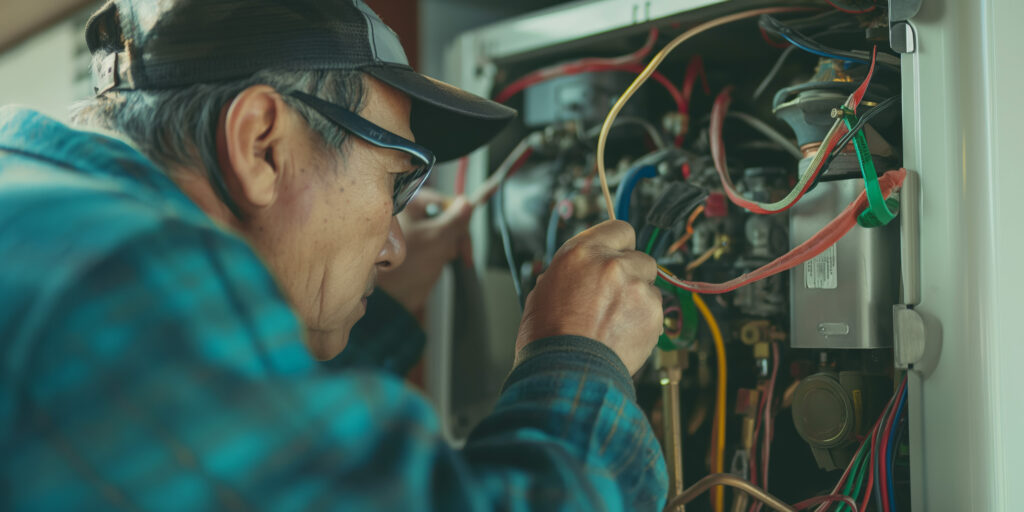
Heating systems contain components that need periodic inspection and maintenance to operate safely and effectively.
Without maintenance, small problems can affect heating performance or develop into more significant repairs.
Depending on your equipment, maintenance may include:
- Checking and replacing air filters.
- Inspecting burners and ignition components.
- Checking electrical connections.
- Inspecting heat exchangers where applicable.
- Verifying thermostat operation.
- Checking airflow and system controls.
- Inspecting blower components.
- Checking heat pump coils and outdoor equipment.
- Inspecting boiler controls and circulation components.
The appropriate maintenance tasks vary by system type and manufacturer. Some tasks should only be performed by a qualified professional.
What you can do: Arrange routine heating maintenance before the coldest part of the season. If your system is already struggling to warm the home, explain the symptoms to the technician so they can focus on the underlying problem.
Regular maintenance does not prevent every breakdown, but it can help identify developing issues before they leave you without adequate heat.
11. Your Thermostat Is in a Warm Spot While Other Rooms Stay Cold
Sometimes the problem is not that the entire house is cold with the heat running. Instead, the thermostat may be satisfied while certain rooms remain uncomfortable.
For example, a thermostat near a sunny window, a frequently used kitchen, or a heat-producing appliance may register a warmer temperature than the rest of the home.
Once the thermostat reaches its set temperature, the system may stop heating even though a bedroom or upstairs hallway is still chilly.
This can also happen when the home has multiple floors, poorly balanced ductwork, or rooms with different insulation levels.
What you can do: Compare temperatures in different rooms using a separate thermometer. Make sure the thermostat is not directly affected by sunlight, drafts, or nearby heat sources.
If temperature differences are persistent, an HVAC professional can evaluate airflow, duct balancing, zoning controls, and thermostat placement.
In some homes, a zoning system or additional temperature controls may improve comfort, but the best solution depends on the existing equipment and layout.
12. The Weather Is Colder Than Your System Can Easily Handle
Heating systems are designed around expected outdoor temperatures and the heating needs of a particular home. During an unusually cold stretch, the system may have difficulty maintaining the set temperature, especially if the home has significant air leakage or insulation deficiencies.
This can be particularly noticeable in older homes or houses with additions that were not adequately incorporated into the original heating design.
Heat pumps may also require auxiliary heat in colder conditions, depending on their model and capacity. If auxiliary heat is not functioning properly when needed, indoor temperatures may fall.
A system that struggles during extreme cold does not necessarily need immediate replacement. The cause could be an equipment problem, poor airflow, heat loss through the building envelope, or a combination of factors.
What you can do: Keep exterior doors and windows closed, address obvious drafts, make sure vents are unobstructed, and use your thermostat according to the equipment manufacturer’s instructions.
If the system cannot maintain a reasonable indoor temperature, arrange a professional evaluation rather than continually raising the thermostat. A higher setting does not necessarily make the equipment heat faster.
What to Check When Your House Is Cold but the Heat Is Running
Before scheduling a repair, you can perform a few basic checks that do not require opening or dismantling the heating equipment.
Use this quick checklist:
- Confirm the thermostat is set to HEAT and review its schedule.
- Check whether the fan is set to AUTO or ON.
- Inspect the air filter and replace it if needed.
- Make sure supply vents and return grilles are not blocked.
- Check accessible windows and doors for obvious drafts.
- Look for unusual thermostat messages or system error codes.
- Note whether the system runs constantly, cycles frequently, or shuts down unexpectedly.
- Compare temperatures in different rooms.
- Check whether the problem started after a power outage, renovation, or recent maintenance visit.
If these checks do not resolve the issue, a qualified HVAC professional can inspect the heating system and determine whether the problem is related to equipment performance, airflow, controls, or heat loss.
Never remove furnace panels or attempt repairs involving gas connections, burners, electrical components, or internal safety controls unless you are qualified to do so.
Is It Normal for the Heat to Run Constantly in Winter?
It can be normal for a heating system to run for extended periods during cold weather. Whether this is a problem depends on the type of equipment, outdoor temperature, indoor conditions, and how well the home retains heat.
For example, a properly sized heat pump may run for long stretches to maintain a steady temperature. A high-efficiency furnace may also have longer operating cycles under certain conditions.
However, investigate the situation if:
- The indoor temperature keeps dropping.
- The system runs continuously but never reaches the set temperature.
- The air from the vents is consistently much cooler than expected for the system.
- Your energy bills rise unexpectedly.
- The system repeatedly shuts down or displays an error.
- You hear unusual noises or notice burning or other unusual odors.
If you smell gas, leave the building without operating electrical switches or using anything that could create a spark, and contact your gas utility or emergency services from a safe location. If a carbon monoxide alarm sounds, get everyone outside immediately and contact emergency services. Do not reenter until authorities say it is safe.
How Much Does It Cost to Fix a House That Won’t Stay Warm?
Repair costs depend on the source of the problem, the equipment involved, and the amount of work required.
A basic filter replacement or thermostat adjustment may cost very little if you can safely perform it yourself. More involved issues may require professional service or home improvements.
Potential expenses include:
- Thermostat service or replacement: Depends on the thermostat type, wiring, and compatibility.
- HVAC repairs: Costs vary depending on whether the problem involves ignition, sensors, motors, controls, or other components.
- Duct sealing and repairs: Depends on the extent of leakage and the accessibility of the ductwork.
- Air sealing: Costs vary based on the number and location of gaps.
- Insulation improvements: Depends on the area being insulated, existing conditions, and material.
- Heating system replacement: A larger investment influenced by system type, capacity, installation requirements, and efficiency.
Before investing in a major replacement, identify the underlying problem. A new furnace will not necessarily correct drafty windows, leaky ducts, or insufficient attic insulation.
Likewise, replacing windows may not resolve a heating system malfunction.
Preparing Your New Jersey Home for Colder Weather
New Jersey’s fall and winter temperatures can place significant demands on residential heating systems. Preparing early can help you identify comfort problems before the coldest days arrive.
Homeowners in Hammonton, Atco, Berlin, and Winslow Township can benefit from checking heating equipment, air filters, attic insulation, window seals, and accessible ductwork before winter sets in.
Consider these seasonal steps:
- Schedule heating maintenance before peak winter demand.
- Replace dirty filters and keep vents unobstructed.
- Seal appropriate gaps around doors and windows.
- Inspect attic insulation and look for obvious air leaks.
- Check accessible ductwork for damage or disconnected sections.
- Pay attention to rooms that are consistently colder than the rest of the house.
- Investigate unusual heating bills or changes in system performance.
If your house has never heated evenly, fall is a good time to investigate whether the problem involves airflow, insulation, duct design, or equipment sizing.
Addressing these issues before a prolonged cold spell can improve comfort and reduce the risk of an unexpected heating emergency.
Final Thoughts

If your house is cold even when the heat is running, the problem could involve a dirty filter, incorrect thermostat settings, blocked vents, leaking ductwork, inadequate insulation, drafts, or a heating system that needs repair.
Start with the simple checks, such as reviewing your thermostat settings, inspecting the filter, and making sure vents are unobstructed. If your home still cannot reach a comfortable temperature, have the heating system and building envelope evaluated to identify the underlying cause.
A warm home depends on more than the furnace alone. Your equipment, ductwork, insulation, windows, and air sealing all work together to keep indoor temperatures comfortable.
If you need help with heating repairs, maintenance or other home service needs, WYNNOW is here to help you manage your home service needs in one trusted and easy-to-use place. Also if you found this blog helpful, also please be sure to check us out on Facebook, Instagram and X for more.