

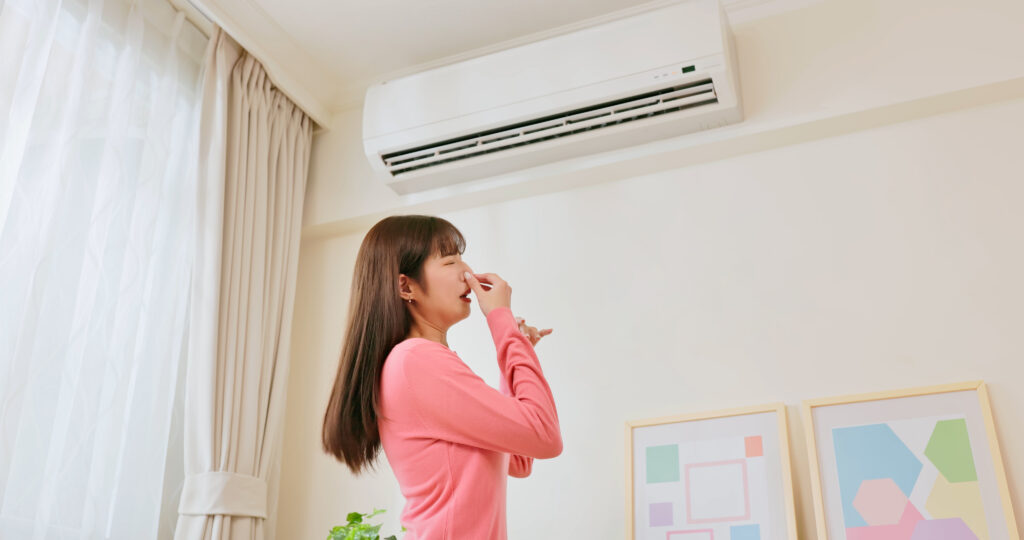
When you turn on your heater for the first time in the fall, you might notice an unusual smell coming from your vents or heating equipment. Sometimes the odor disappears after a few minutes, but other smells can indicate a problem that needs immediate attention.
As temperatures drop across New Jersey, homeowners begin using their furnaces, heat pumps, and other heating systems more frequently. After months of limited use, dust may have accumulated inside the equipment. However, a burning odor, rotten egg smell, musty odor, or electrical smell can point to different issues that should not be ignored.
So, why does your heater smell when you turn it on? The answer depends on the type of smell, how long it lasts, and whether you notice other warning signs.
In this guide, we’ll explain common heating system odors, which ones may be normal, when to call an HVAC professional, and how to prepare your heating system for the colder months.
1. A Burning Dust Smell When the Heat First Turns On
One of the most common reasons a heater smells when you turn it on is dust burning off inside the system.
During spring and summer, dust can settle on furnace components, heating elements, and other internal surfaces. When the heater starts operating again, the accumulated dust warms up and produces a temporary burning or slightly smoky odor.
This is especially common when:
- You turn on your heating system for the first time in several months.
- Your furnace has not been used since the previous winter.
- Dust has accumulated around vents or inside accessible components.
- Your home has undergone recent renovations or construction.
Is it normal?
A mild dusty smell that fades relatively quickly after the heating system starts may be normal. However, the odor should not be intense, persist through repeated heating cycles, or be accompanied by visible smoke or other unusual symptoms.
What you can do:
- Check your air filter and replace it if it is dirty.
- Vacuum dust from accessible supply registers and return grilles.
- Keep furniture and other objects away from vents.
- Schedule professional maintenance if the odor persists.
Never open furnace compartments or attempt to clean internal electrical or combustion components unless you are qualified to do so.
If you see smoke, smell strong burning, or suspect something is overheating, turn the system off if it is safe to do so and seek professional assistance.
2. Your Heater Smells Like Burning Plastic or Rubber
A burning plastic or rubber smell is more concerning than a mild dusty odor.
This type of smell can indicate that a component is overheating, insulation is being damaged, or a plastic object has come into contact with a hot surface.
Potential causes include:
- An overheating blower motor.
- Damaged electrical wiring or insulation.
- A failing electrical component.
- A foreign object near a heating element.
- A malfunctioning fan or other mechanical component.
The exact cause depends on the heating system. Electric furnaces and heat pumps have electrical components that can overheat, while gas furnaces also contain motors, wiring, and other components that require proper operation.
What you should do:
- Turn off the heating system if you can do so safely.
- Do not continue running it to see whether the smell disappears.
- Keep people away from any area where you suspect overheating or smoke.
- Contact a qualified HVAC technician or electrician, depending on the suspected problem.
If you see flames or smoke, or suspect an active electrical fire, leave the area and call 911. Do not touch damaged wiring or attempt to investigate inside the equipment.
A burning plastic smell should never be dismissed as routine seasonal dust without first considering the possibility of an electrical or mechanical problem.
3. Your Heater Smells Like Rotten Eggs
A rotten egg or sulfur-like smell near a gas furnace can indicate a natural gas leak.
Natural gas is naturally odorless, but utilities add a chemical odorant to help people detect leaks. If you notice this distinctive smell, treat it as a potential emergency.
Other possible warning signs include:
- A hissing sound near a gas line or appliance.
- A smell that becomes stronger near the furnace.
- An unexpected change in gas appliance operation.
What you should do immediately:
- Leave the building and get everyone outside.
- Do not turn lights or appliances on or off.
- Do not use a phone inside the building.
- Do not light matches, smoke, or operate anything that could create a spark.
- Once you are safely outside, call 911 or your gas utility’s emergency number.
Do not reenter until emergency responders or the gas utility confirm it is safe.
Even if the smell disappears, do not assume the problem has resolved itself. A suspected gas leak requires professional investigation.
4. Your Heater Smells Musty or Like Mildew
A musty smell when the heater starts can indicate moisture, microbial growth, or accumulated debris somewhere in the heating and air distribution system.
The odor may become more noticeable when warm air begins circulating through the ducts.
Potential causes include:
- Moisture inside ductwork.
- A damp air filter.
- Water around the indoor HVAC equipment.
- Mold or mildew in nearby building materials.
- A dirty condensate drain or other moisture-related issue in equipment that produces condensate.
- Dampness in a basement, crawl space, or utility room.
Heat pumps and air conditioners may share indoor components and ductwork, so moisture-related problems that develop during cooling season can sometimes remain noticeable when heating begins.
What you can do:
- Replace a dirty or damp filter with the correct type.
- Check accessible areas around the equipment for visible moisture.
- Look for signs of basement dampness or water intrusion.
- Make sure accessible vents and return grilles are clean.
- Have persistent odors investigated by an HVAC professional.
Avoid spraying fragrances or household cleaners into vents to cover the smell. This will not correct the underlying cause and may introduce additional airborne irritants.
If you see extensive mold growth or suspect contamination inside the ductwork, have the source of moisture identified before arranging any necessary cleaning or remediation.
5. Your Heater Smells Like Something Is Burning, but There Is No Smoke
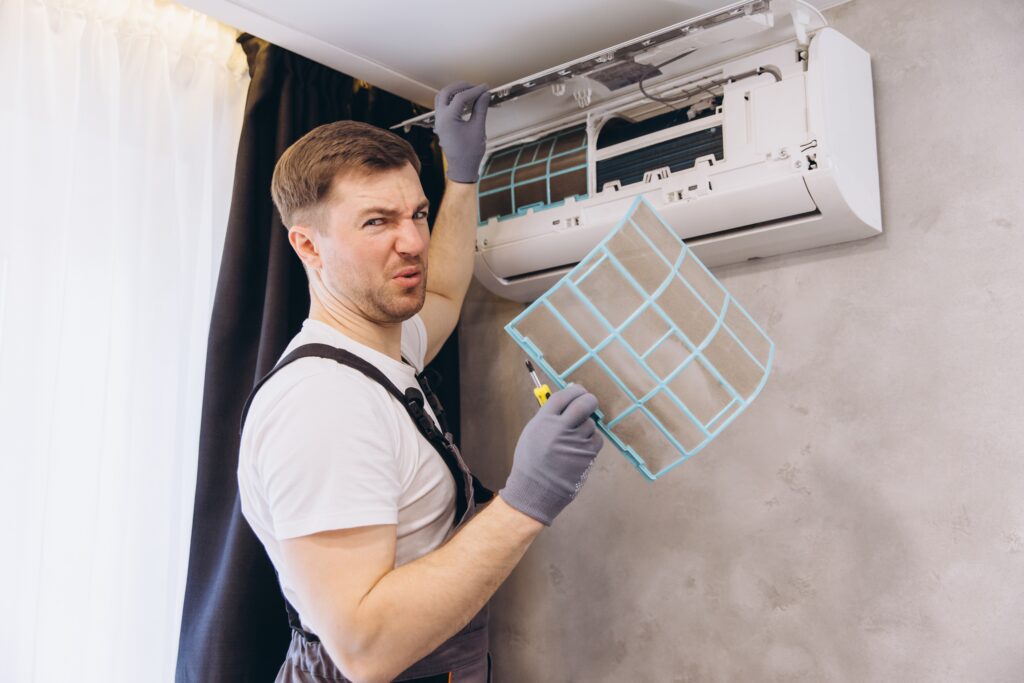
A general burning smell can have several causes, and it is important not to assume every odor is harmless.
Depending on the system, the smell may come from dust, overheated components, a dirty filter, a mechanical problem, or a foreign object near a hot surface.
Pay attention to when the odor occurs.
For example:
- A mild dusty smell at the beginning of the season may fade as the system runs.
- A burning smell that returns every time the heater starts deserves investigation.
- A smell accompanied by unusual noises or frequent shutdowns may indicate a malfunction.
- A strong electrical or plastic odor should be treated seriously even if no smoke is visible.
If the smell is strong, worsening, or persistent, turn off the system if safe and arrange professional service. Do not keep running the heater simply because the house is getting cold.
6. Your Electric Heater Smells Like Burning Dust or Hot Metal
Electric furnaces, electric baseboard heaters, and portable electric heaters can produce a mild dusty smell when first used after a period of inactivity.
Dust accumulated on heating elements can heat up and create a temporary odor. However, an intense burning smell, melting-plastic odor, or repeated overheating is not normal.
For electric baseboard heaters, dust or objects near the heating element may contribute to odors. Portable heaters can also become hazardous if they are covered, obstructed, or placed too close to combustible materials.
Safe practices include:
- Turn off the equipment and allow it to cool before cleaning accessible surfaces.
- Follow the manufacturer’s cleaning instructions.
- Keep curtains, bedding, furniture, and other combustible items away from heating equipment.
- Never cover a heater or block its required airflow.
- Inspect power cords and plugs for visible damage without touching anything that appears melted or unsafe.
Portable electric heaters should be plugged directly into a suitable wall outlet unless the manufacturer explicitly specifies otherwise. Avoid extension cords and power strips, which can overheat under heavy electrical loads.
If an electric heater smells strongly of burning plastic, produces smoke, trips a breaker repeatedly, or has a damaged cord, stop using it and seek qualified assistance.
7. Your Furnace Smells Like Exhaust or Smoke
An exhaust-like smell around a gas furnace can indicate a combustion or venting problem.
Gas furnaces produce combustion byproducts that must be safely vented outdoors. Damaged venting, blocked exhaust pathways, or equipment malfunctions can create dangerous conditions.
A noticeable exhaust smell should not be treated as a normal part of starting your furnace.
What you should do:
- Stop using the equipment if you suspect a venting or combustion problem and can shut it down safely.
- Leave the building if you suspect exhaust is entering your living space or if anyone feels unwell.
- Contact emergency services if there is an immediate danger.
- Have a qualified HVAC technician inspect the furnace and venting system before using it again.
Carbon monoxide is particularly dangerous because it is colorless and odorless. You cannot reliably detect it by smell.
Warning signs of possible carbon monoxide exposure can include headache, dizziness, nausea, weakness, confusion, and unusual fatigue. If a carbon monoxide alarm sounds or you suspect exposure, get everyone outside immediately and call 911. Do not reenter until authorities say it is safe.
Install carbon monoxide alarms according to applicable requirements and the manufacturer’s instructions, especially near sleeping areas and on each level of your home as recommended by local guidance.
8. Your Heater Smells Sour or Has a Stale Odor
A sour, stale, or unpleasant odor can result from accumulated debris, moisture, dirty filters, or contamination in parts of the heating and air distribution system.
Sometimes the odor originates elsewhere in the home and becomes more noticeable when the blower circulates air.
Possible sources include:
- Dust and debris in return-air grilles.
- A dirty air filter.
- Moisture near HVAC equipment.
- Odors from a damp basement or crawl space.
- Household products or stored materials near air intakes.
- Dirty or contaminated ductwork.
What you can do:
Start by checking the air filter and cleaning accessible registers. Look for moisture around the indoor equipment and consider whether the odor is strongest near a particular room or vent.
If the odor persists, have the HVAC system inspected. Professional duct cleaning may be appropriate in certain situations, but it is not automatically necessary whenever a heater smells unpleasant. Identifying the source first can help prevent unnecessary work.
9. Your Heater Smells Like Burning Oil
Some older heating systems use heating oil rather than natural gas or electricity.
A brief odor can occasionally occur during certain operating conditions, but a strong or persistent oil smell may indicate a leak, a burner problem, incomplete combustion, or an issue with the exhaust system.
Signs to watch for include:
- An oily smell around the furnace or boiler.
- Visible oil near the equipment or supply lines.
- Soot accumulation.
- Smoke or unusual burner behavior.
- A smell that spreads through the house.
If you suspect an oil leak or combustion problem, turn off the equipment if it is safe to do so and contact a qualified heating technician. Avoid touching leaking fuel or attempting burner adjustments yourself.
If there is a fire or immediate danger, evacuate and contact emergency services.
10. Your Heater Smells After Recent Maintenance or Repairs
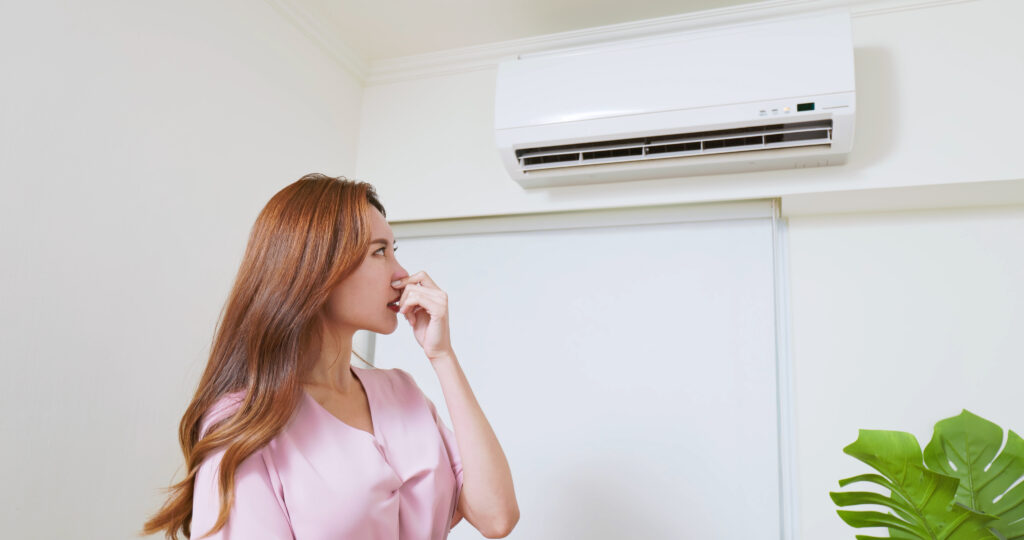
A new or recently serviced heating system may produce a temporary odor under certain circumstances.
For example, some new components, coatings, or materials may release an odor during initial heating. Dust disturbed during maintenance may also become noticeable when the system starts operating.
However, a new installation should not produce persistent burning, gas, or exhaust odors.
If your heater smells unusual after a repair or installation, contact the company that performed the work and describe the smell, when it occurs, and how long it lasts.
Do not assume a strong odor is simply part of the break-in process. A qualified technician can determine whether the smell is expected or indicates an installation or equipment problem.
How to Tell Whether a Heater Smell Is Normal
The type of smell and its duration can provide clues, but they cannot confirm that a heating system is safe.
| Smell | Possible explanation | Recommended response |
|---|---|---|
| Mild dusty odor at first startup | Dust warming on internal surfaces | Monitor briefly if it fades and no warning signs appear |
| Burning plastic or rubber | Possible overheating or electrical damage | Stop using the system and arrange professional inspection |
| Rotten eggs or sulfur near a gas appliance | Possible natural gas leak | Leave immediately and call for help from outside |
| Musty or mildew-like odor | Possible moisture or microbial growth | Check accessible areas and investigate persistent odors |
| Exhaust or smoke | Possible combustion or venting issue | Stop using the system and seek urgent professional assistance |
| Strong burning oil odor | Possible fuel, burner, or venting problem | Stop using the system if safe and call a qualified technician |
| Persistent sour or stale odor | Possible dirty filter, debris, or moisture | Inspect accessible components and arrange service if it persists |
Important: If the smell is strong, sudden, or associated with smoke, a gas odor, a carbon monoxide alarm, or physical symptoms, prioritize safety instead of trying to identify the odor yourself.
How to Prevent Unpleasant Heating System Odors
Routine maintenance can reduce the likelihood of some heating odors and help your system operate more reliably.
Replace Your Air Filter Regularly
A dirty filter can restrict airflow and allow dust to accumulate in the system. Check it regularly and replace it according to the manufacturer’s recommendations.
Schedule Annual Heating Maintenance
A professional inspection can identify issues involving ignition, burners, electrical components, airflow, venting, and other parts of your heating equipment.
For furnaces and boilers that burn fuel, proper combustion and venting checks are particularly important.
Keep Vents and Registers Clean
Remove dust from accessible registers and return grilles. Keep vents clear of furniture, curtains, and other obstructions.
Keep the Area Around Your Heater Clear
Do not store paint, cleaning chemicals, cardboard, clothing, or other combustible materials near heating equipment. Maintain the clearances specified by the manufacturer.
Address Moisture Problems
If your basement or utility room is damp, investigate the source. Correcting leaks, improving appropriate drainage, and controlling humidity may help reduce musty odors.
Check Smoke and Carbon Monoxide Alarms
Test alarms according to the manufacturer’s instructions and replace batteries or units as needed. These alarms provide an important layer of protection but do not replace regular equipment maintenance.
Do Not Ignore Recurring Odors
If the same smell returns every time the heater runs, arrange an inspection. Repeated odors may indicate an underlying issue that will not be resolved by cleaning the filter alone.
When Should You Call an HVAC Professional?
Not every heating odor indicates a serious problem, but persistent or unusual smells deserve attention.
Contact a qualified HVAC professional if:
- A burning odor lasts longer than expected.
- You smell burning plastic or electrical insulation.
- The furnace repeatedly shuts down or struggles to start.
- You hear unusual noises alongside the odor.
- You notice soot, visible damage, or signs of overheating.
- A musty odor persists despite replacing the filter and addressing accessible moisture.
- Your heating system produces less heat than usual.
- You suspect a combustion or venting problem.
For a suspected natural gas leak, leave the building and contact emergency services or the gas utility from a safe location. For suspected carbon monoxide exposure, get outside immediately and call 911.
Do not attempt to diagnose gas burners, internal wiring, heat exchangers, or combustion venting yourself.
Why Fall Heating Maintenance Matters in New Jersey
Fall is an ideal time to check your heating system before temperatures drop and you begin relying on it every day.
Homeowners in Hammonton, Waterford, Atco, and Mays Landing may notice heating odors when their furnaces or other heating equipment start running after the summer. Seasonal maintenance can help identify dust buildup, airflow restrictions, worn components, and other problems before the coldest weather arrives.
Before winter, consider:
- Scheduling a professional heating inspection.
- Replacing dirty air filters.
- Checking accessible vents and return grilles.
- Testing smoke and carbon monoxide alarms.
- Looking for moisture around HVAC equipment.
- Confirming that outdoor heat pump equipment is unobstructed.
- Addressing unusual noises, odors, or changes in heating performance.
If you have not used your heating system in months, pay attention when you start it for the season. A mild dusty smell may fade, but strong, persistent, or unusual odors should never be ignored.
Final Thoughts

If your heater smells when you turn it on, the cause could be harmless dust buildup, moisture, a dirty filter, or a more serious electrical, mechanical, or combustion problem.
A mild dusty odor that disappears shortly after the first startup may be normal. Burning plastic, rotten eggs, exhaust, smoke, or persistent burning smells require a more cautious response.
Prioritize safety, avoid running equipment that may be malfunctioning, and schedule professional service when an odor persists or you suspect a problem. Regular maintenance can help keep your heating system operating safely and comfortably throughout the colder months.
If you need help with heating maintenance, repairs, or other home service needs, WYNNOW is here to help you manage your home service needs in one trusted and easy-to-use place. Also if you found this blog informative, please be sure to check out our social media pages on Facebook, Instagram and X!