

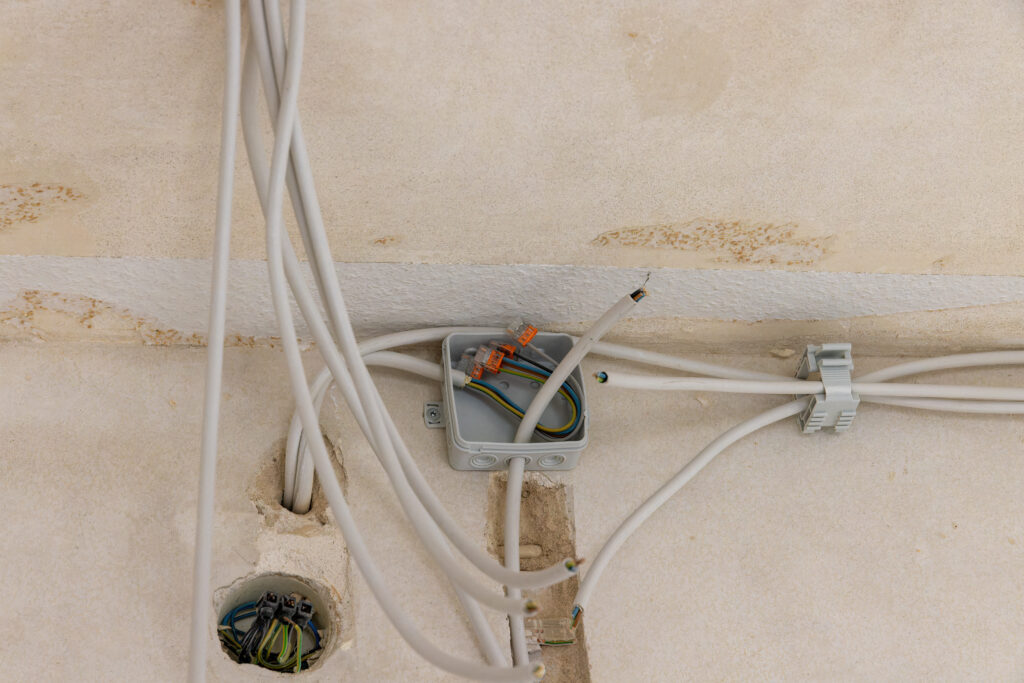
Older homes can have plenty of character, but their electrical systems may not always be equipped for the demands of modern living. Today’s homeowners use more appliances, electronics, HVAC equipment, and other electrical devices than homes were originally designed to handle.
In some cases, an older electrical system can continue operating safely with proper maintenance. In others, outdated wiring, damaged components, or insufficient electrical capacity may make rewiring an important consideration.
So, when should you rewire an older home?
The answer depends on the age and condition of the wiring, the home’s electrical capacity, previous renovations, and any warning signs you’re experiencing.
Why Do Older Homes Sometimes Need Rewiring?
Electrical systems have evolved significantly over the years. Homes built decades ago may have wiring and electrical components that were appropriate for the technology and appliances available at the time.
Modern homes can have much greater electrical demands from:
- Central air conditioning
- Heating systems
- Kitchen appliances
- Home offices
- Entertainment systems
- Electric vehicles
- Power tools
- Laundry equipment
- Computers and other electronics
An older electrical system may not have been designed to support this level of demand.
Rewiring isn’t necessarily required simply because a home is old, but the condition and capability of the electrical system should be evaluated.
1. Your Home Has Outdated Wiring
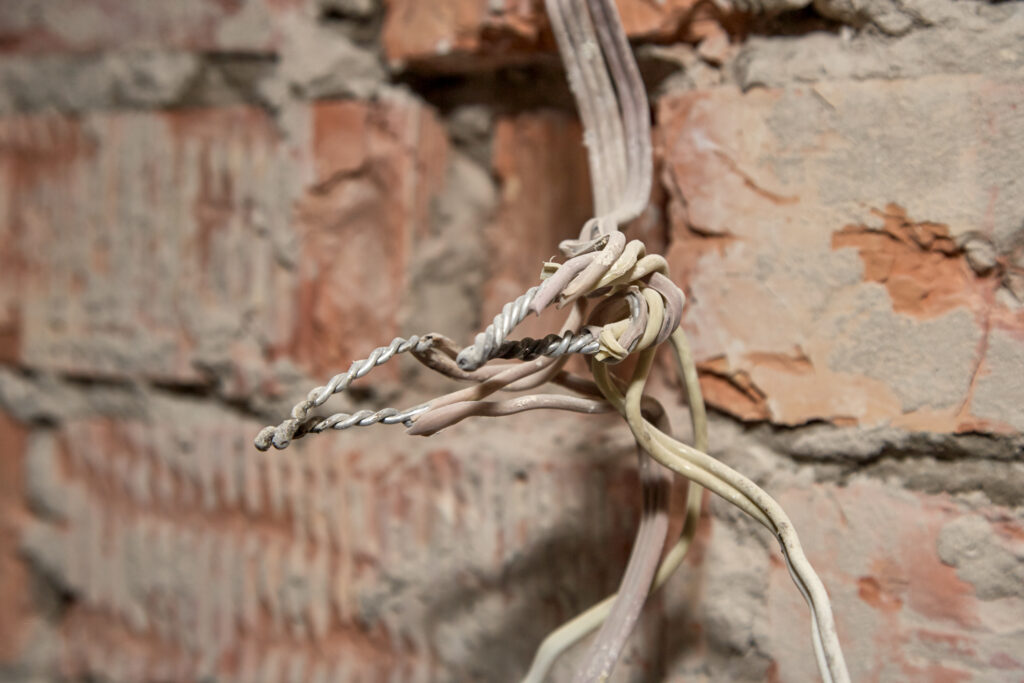
One of the biggest reasons to consider rewiring is the presence of outdated wiring.
Some older homes may still contain wiring systems that are no longer appropriate for modern electrical demands or that have deteriorated over time.
Examples can include:
- Knob-and-tube wiring
- Certain older forms of aluminum wiring
- Cloth-insulated wiring
- Damaged or deteriorated insulation
- Improperly modified wiring
Not every older wiring system automatically means the entire home needs to be rewired. A professional electrical inspection can determine the condition of the wiring and what improvements may be appropriate.
2. Your Breakers Keep Tripping
Occasional breaker trips can happen when a circuit is temporarily overloaded.
However, frequent or unexplained breaker trips shouldn’t be ignored.
Repeated trips may indicate:
- Overloaded circuits
- Faulty appliances
- Damaged wiring
- Short circuits
- Insufficient circuit capacity
- Problems with the electrical panel
If breakers are constantly tripping, resetting them repeatedly isn’t a solution. An electrician should determine why the problem is occurring.
3. Lights Flicker or Dim
Flickering or dimming lights can sometimes occur when a large appliance starts, but frequent or unexplained changes in lighting may indicate an electrical problem.
Potential causes include:
- Loose connections
- Overloaded circuits
- Faulty wiring
- Panel problems
- Voltage fluctuations
If flickering is happening throughout the home, an electrical inspection can help identify the cause.
4. Outlets or Switches Feel Hot
Electrical outlets and switches generally shouldn’t feel unusually hot during normal use.
If you notice:
- Hot outlets
- Warm switches
- Discoloration
- Scorch marks
- Burning smells
- Buzzing or crackling
turn off the affected circuit if it can be done safely and have the system inspected by a qualified electrician.
These signs can indicate an electrical connection or wiring problem that shouldn’t be ignored.
5. You Rely on Extension Cords and Power Strips
If your older home doesn’t have enough outlets, you may find yourself using extension cords and power strips throughout the house.
This can be a sign that your electrical system no longer matches your household’s needs.
Extension cords can be useful for temporary situations, but they aren’t always an appropriate substitute for permanent wiring.
If you’re regularly running cords across rooms or connecting multiple devices to power strips, adding properly installed outlets and circuits may provide a safer and more convenient solution.
6. You’re Adding High-Demand Equipment
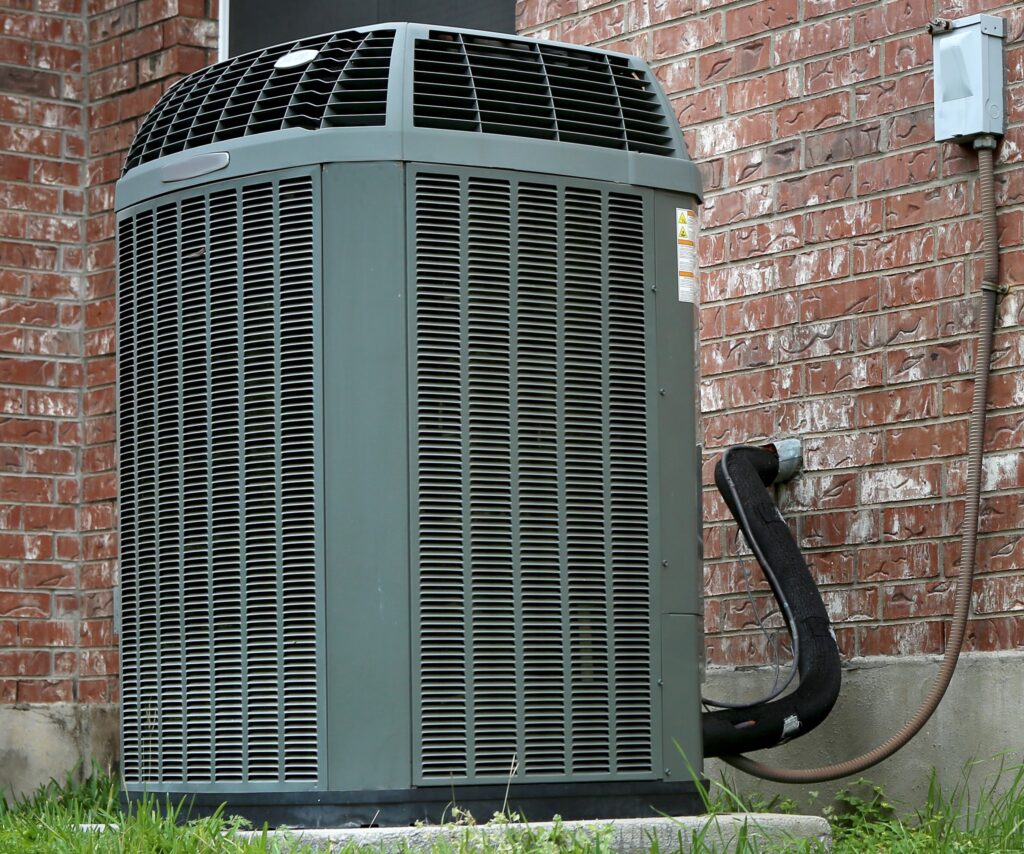
Modern upgrades can significantly increase the electrical demand on an older home.
For example, you may be installing:
- A new central AC system
- Electric heating
- An EV charger
- A hot tub
- A large appliance
- Workshop equipment
- Additional kitchen appliances
Before adding high-demand equipment, have your electrical system evaluated.
The solution may be a dedicated circuit or panel upgrade rather than a complete rewiring, but an older system may require more extensive improvements.
7. You’re Renovating Your Home
A major renovation is an excellent time to evaluate your electrical wiring.
If walls are already being opened, an electrician may have easier access to wiring and can identify opportunities to improve the electrical system.
Consider evaluating the electrical system during:
- Kitchen renovations
- Bathroom renovations
- Basement finishing
- Home additions
- Major room renovations
- Whole-home remodeling
You can also use the opportunity to add outlets, lighting, dedicated circuits, and other electrical features you’ll need in the future.
8. You Notice Signs of Electrical Damage
Visible damage should always be taken seriously.
Look for:
- Frayed wires
- Cracked insulation
- Burn marks
- Discolored outlets
- Damaged electrical boxes
- Exposed wiring
- Loose connections
Don’t attempt to repair damaged wiring yourself unless you are properly qualified to do so.
Electrical problems can create shock and fire hazards when improperly handled.
Does an Older Home Always Need to Be Rewired?
No.
Age alone doesn’t necessarily mean a home needs a complete electrical rewiring.
A well-maintained electrical system in an older home may continue to serve the property safely for many years.
The important questions are:
- What type of wiring does the home have?
- Is the wiring in good condition?
- Does the electrical system have adequate capacity?
- Has previous electrical work been performed correctly?
- Are there recurring electrical problems?
- Can the system safely support your current and future needs?
A professional electrical inspection can help answer these questions.
How Much Does It Cost to Rewire a Home?
The cost of rewiring varies significantly depending on the home and the scope of work.
Factors can include:
- Home size
- Number of circuits
- Accessibility of wiring
- Type and condition of existing wiring
- Number of outlets and switches
- Electrical panel requirements
- Whether walls need to be opened
- Local permit and inspection requirements
A partial rewiring project may cost considerably less than a complete whole-home rewiring.
The best way to understand the cost is to have the electrical system evaluated and receive a project-specific estimate.
How Long Does Rewiring Take?
The timeline depends on the size and complexity of the project.
A smaller rewiring project may be completed relatively quickly, while a whole-home rewiring can take considerably longer.
Factors affecting the timeline include:
- Home size
- Number of circuits
- Accessibility
- Amount of wiring being replaced
- Panel upgrades
- Number of outlets and fixtures
- Permitting and inspections
- Wall and ceiling access
An electrician can provide a more accurate timeline after evaluating the property.
What Happens During a Home Rewiring Project?
A professional rewiring project generally begins with an evaluation of the existing electrical system.
Depending on the home’s condition, the project may involve:
- Inspecting the existing wiring
- Identifying outdated or damaged components
- Planning new circuits and wiring
- Determining whether the electrical panel needs an upgrade
- Installing new wiring and electrical boxes
- Adding or relocating outlets and switches
- Connecting fixtures and appliances
- Testing the system
- Completing required inspections
The exact process varies depending on the home and the scope of work.
Rewiring vs. Electrical Panel Upgrade
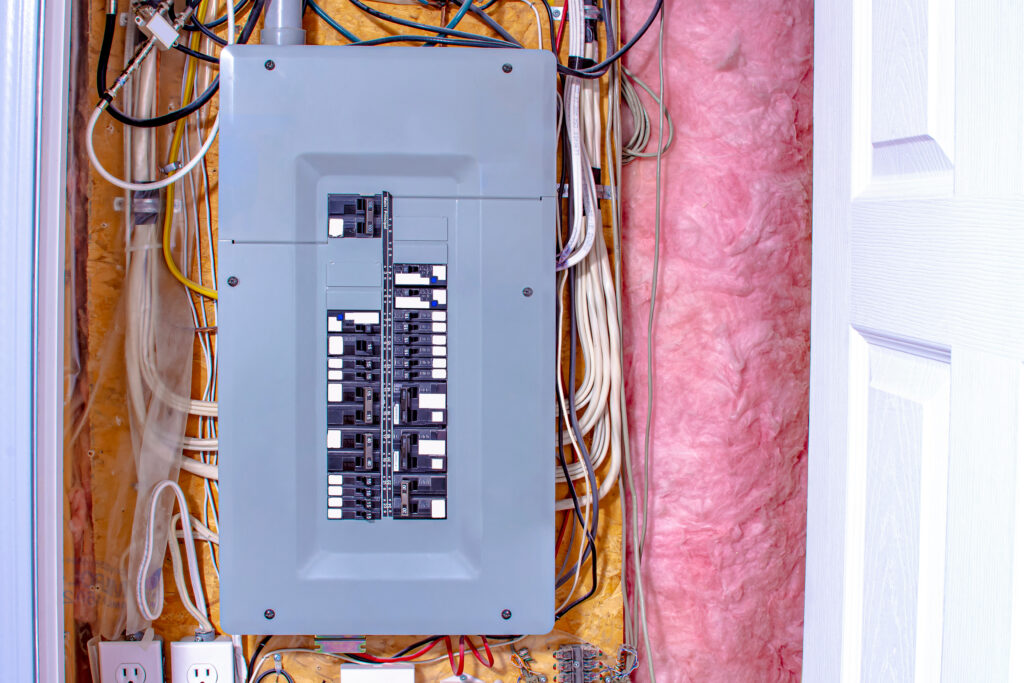
These two improvements are related but aren’t the same.
An electrical panel upgrade increases or improves the home’s ability to distribute electrical power.
Rewiring involves replacing or upgrading wiring throughout some or all of the home.
An older home may need:
- Rewiring only
- A panel upgrade only
- Additional circuits
- New outlets
- A combination of upgrades
A professional inspection can determine which improvements are actually necessary.
Can Rewiring Improve Your Home’s Electrical Capacity?
Potentially, yes—but simply replacing old wires doesn’t automatically mean the home can support unlimited electrical demand.
Electrical capacity depends on the entire system, including:
- Service size
- Electrical panel
- Circuit configuration
- Wiring
- Breakers
- Connected equipment
If you’re planning major upgrades, the electrical system should be evaluated as a whole.
Electrical Safety Tips for Older Homes
If you live in an older home, pay attention to changes in how the electrical system performs.
You should:
- Avoid overloading outlets
- Don’t rely heavily on extension cords
- Replace damaged cords
- Keep electrical equipment away from water
- Address repeated breaker trips
- Don’t ignore burning odors or buzzing sounds
- Have older electrical systems professionally inspected
- Evaluate electrical capacity before installing major equipment
Small warning signs can sometimes point to larger problems.
When Should You Have an Electrical Inspection?
An inspection can be especially useful when:
- Buying an older home
- Selling a home
- Planning a major renovation
- Adding high-demand electrical equipment
- Experiencing recurring electrical problems
- You don’t know when the system was last inspected
- You suspect outdated wiring
Regular professional evaluations can help homeowners understand the condition of their electrical system and plan improvements before problems become emergencies.
Electrical Services for Older Homes in South Jersey
Older homes throughout South Jersey can have a wide variety of electrical systems and wiring configurations. Each property should be evaluated based on its individual condition rather than its age alone.
Homeowners in:
- Hammonton
- Egg Harbor Township
- Galloway
- Berlin
- Mays Landing
- Waterford
- Surrounding South Jersey communities
can benefit from professional electrical inspections, rewiring, outlet installation, circuit additions, panel upgrades, repairs, and electrical renovations.
Final Thoughts

An older home doesn’t automatically need to be completely rewired. However, outdated wiring, frequent breaker trips, flickering lights, damaged components, insufficient outlets, and plans for major electrical upgrades can all be reasons to have your system evaluated.
If you’re unsure whether your home’s wiring can safely support your family’s needs, a professional inspection can help identify potential problems and determine what improvements make sense for your property.
If you’re concerned about the electrical system in your older home, WYNNOW is here to help. We provide professional electrical inspections, rewiring, repairs, upgrades, and renovation services throughout South Jersey to help homeowners keep their electrical systems safe, reliable, and ready for today’s demands. Also please be sure to check us out on Facebook, Instagram and X if you found this blog helpful!