

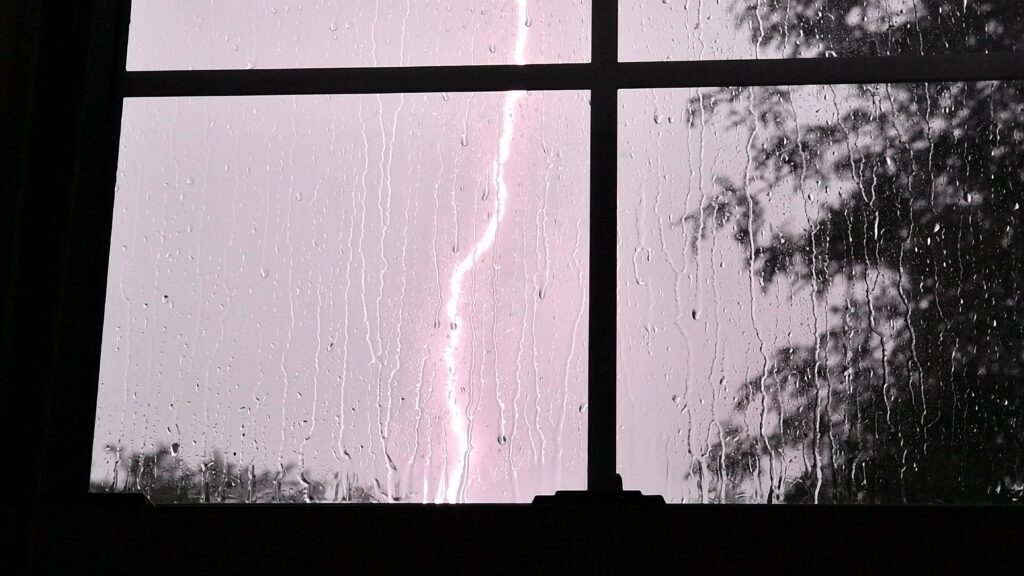
Summer storms can arrive quickly, bringing heavy rain, strong winds, lightning, and power outages. Losing electricity during a hot summer day can be uncomfortable, but taking the right steps can help protect your family, home, and electrical equipment.
Whether the outage lasts a few minutes or several hours, knowing what to do can make the situation easier to manage and help you recognize when professional electrical service may be needed.
Why Do Summer Storms Cause Power Outages?
Summer storms can disrupt electrical service in several ways.
Strong winds can knock down power lines or damage utility equipment. Lightning can also affect electrical infrastructure, while fallen branches and trees can damage overhead lines.
Severe weather can also cause electrical surges when power is interrupted and restored.
What Should You Do When the Power Goes Out?
1. Check Whether the Outage Is Limited to Your Home
First, determine whether your entire neighborhood has lost power or if the problem is isolated to your home.
Check:
- Nearby homes
- Outdoor lighting
- Streetlights
- Your electrical panel
If surrounding homes still have electricity, there may be an issue with your home’s electrical system rather than the utility service.
If you’re unsure, avoid making assumptions and contact your utility provider or a qualified electrician.
2. Check Your Electrical Panel
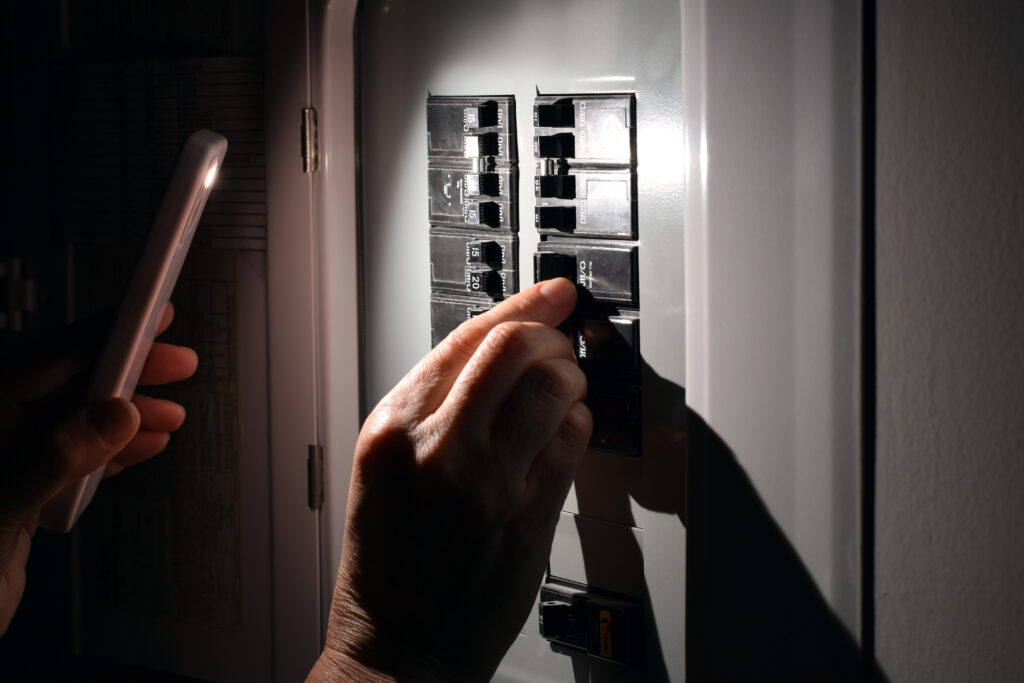
If the outage appears to be limited to your home, check your electrical panel.
A tripped breaker may interrupt power to part of your home.
If you find a tripped breaker, you can reset it once. However, if the breaker trips again, don’t continue resetting it.
Repeated breaker trips may indicate:
- An overloaded circuit
- Damaged wiring
- A faulty appliance
- Electrical equipment damage
- A more serious electrical problem
A qualified electrician can determine what’s causing the breaker to trip.
3. Unplug Sensitive Electronics
Power can fluctuate when electricity goes out and again when it returns.
Consider unplugging sensitive electronics such as:
- Computers
- Televisions
- Gaming systems
- Routers
- Home office equipment
- Major appliances
This can help reduce the risk of damage from electrical surges.
If you use surge protectors, make sure they are appropriate for the equipment you’re protecting.
4. Keep the Refrigerator and Freezer Closed
Try to limit how often you open your refrigerator and freezer during an outage.
Keeping the doors closed helps preserve the cold temperature inside.
If the outage lasts for an extended period, follow food-safety guidance regarding refrigerated and frozen food before consuming it.
5. Use Flashlights Instead of Candles
Flashlights and battery-powered lights are generally safer than candles during a power outage.
Keep flashlights somewhere that’s easy to access and check their batteries periodically.
Avoid using open flames unnecessarily, particularly during an already stressful situation.
6. Stay Away From Downed Power Lines
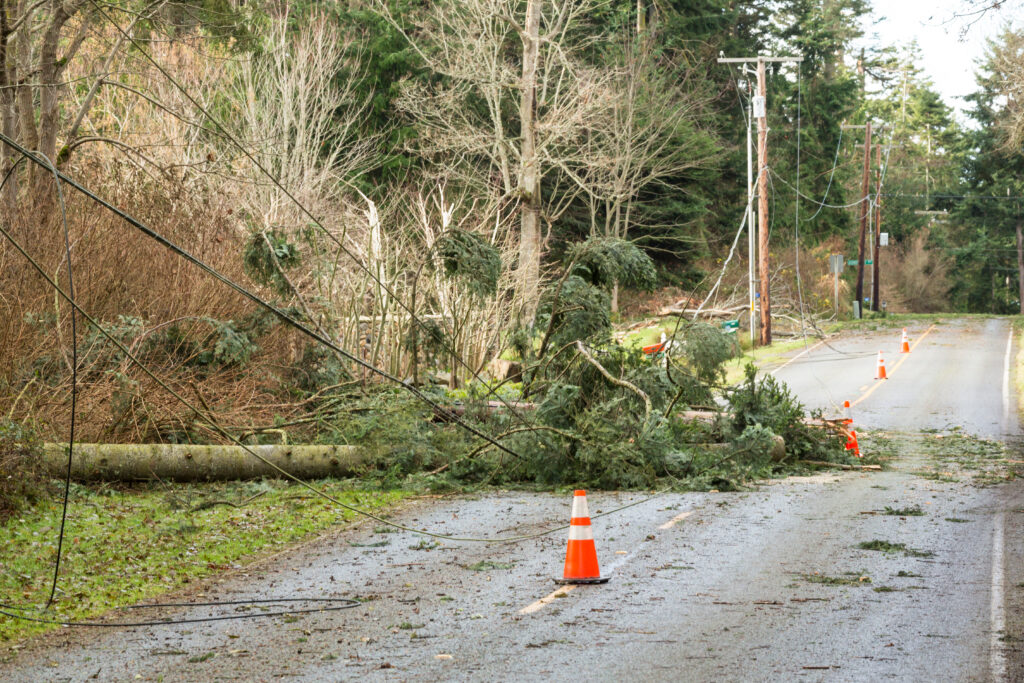
This is one of the most important storm safety rules.
Never approach, touch, or drive over a downed power line.
A fallen line can remain energized even when it doesn’t appear to be active.
Keep children and pets away from the area and contact the appropriate utility or emergency authorities.
What About Your AC During a Power Outage?
Your central air conditioner will stop operating when your home loses electricity.
Once power returns, don’t be surprised if your AC doesn’t immediately start.
The system may have a built-in delay before the compressor starts operating again.
If the AC doesn’t restart after power has been restored, check the thermostat and electrical panel.
If the breaker repeatedly trips or the system remains off, professional HVAC or electrical service may be needed.
What If the Power Comes Back but Something Isn’t Working?
Sometimes a storm can cause electrical issues even after utility power has been restored.
Watch for:
- Flickering lights
- Buzzing outlets
- Burning odors
- Repeated breaker trips
- Appliances that won’t turn on
- Damaged outdoor electrical equipment
These can indicate electrical damage or a problem within your home’s electrical system.
Don’t continue using equipment that appears damaged.
Should You Use a Generator?
A generator can provide temporary power during an outage, but it must be used safely.
Never operate a gasoline-powered generator inside your home, garage, basement, or other enclosed area.
Generators produce carbon monoxide, which can build up to dangerous levels.
Always follow the manufacturer’s instructions and use generators outdoors in a properly ventilated location away from doors, windows, and vents.
If you want a generator permanently connected to your home’s electrical system, have the installation performed by a qualified professional.
What Should You Do If Lightning Damages Your Electrical System?
Lightning can cause significant electrical damage.
After a severe storm, inspect your home for obvious warning signs such as:
- Burn marks
- Damaged outlets
- Flickering lights
- Burning smells
- Non-functioning appliances
- Tripped breakers
- Damage to outdoor electrical equipment
Don’t attempt to repair storm-damaged wiring or electrical equipment yourself.
A professional electrical inspection can help determine whether your system was affected.
How Can You Prepare for Future Summer Storms?
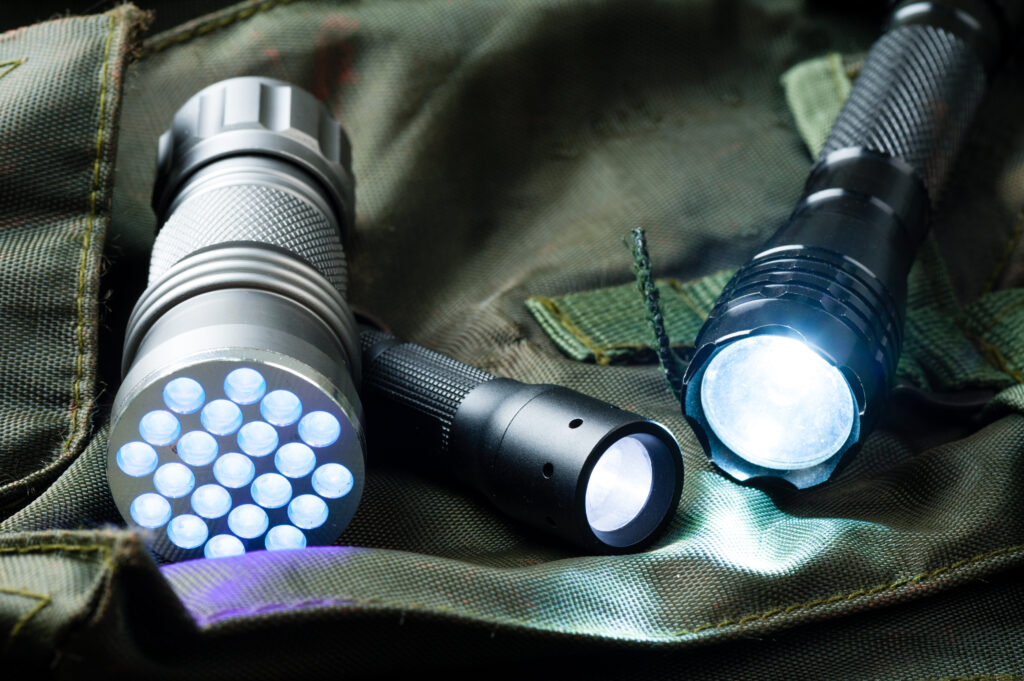
A little preparation can make power outages easier to manage.
Consider keeping:
- Flashlights
- Extra batteries
- Portable phone chargers
- Battery-powered fans
- Emergency supplies
- Surge protection
- Backup cooling options
Homeowners with frequent outages may also want to explore backup power solutions.
It’s also a good idea to know where your electrical panel is located and make sure everyone in the household knows how to safely identify a tripped breaker.
When Should You Call an Electrician?
Contact a qualified electrician if you notice:
- Repeatedly tripping breakers
- Burning odors
- Sparks
- Damaged outlets
- Flickering lights after power returns
- Electrical equipment damaged by the storm
- Partial power throughout the home
- Signs of water or storm damage near electrical components
Electrical problems can become dangerous if they’re ignored, especially after severe weather.
Electrical Services in South Jersey
Summer storms can put significant stress on residential electrical systems. If your home experiences electrical problems during or after a storm, addressing them promptly can help protect your property and restore reliable power.
Homeowners in:
- Hammonton
- Egg Harbor Township
- Galloway Township
- Berlin
- Mays Landing
- Waterford Township
- Surrounding South Jersey communities
can benefit from professional electrical inspections, repairs, troubleshooting, and upgrades.
Final Thoughts

A summer power outage can be inconvenient, but taking a few precautions can help keep your household safe. Check your electrical panel if appropriate, protect sensitive electronics, avoid downed power lines, and use generators safely.
If your home’s electrical system shows signs of damage after a storm, don’t keep resetting breakers or attempting repairs yourself. Having the problem professionally inspected can help identify potential hazards before they become more serious.
If your home experiences electrical problems during or after a summer storm, WYNNOW is here to help. We provide professional electrical inspections, repairs, troubleshooting, and maintenance throughout South Jersey, helping homeowners get their electrical systems back to safe and reliable operation. Also if you found this blog helpful, also please be sure to check us out on Facebook, Instagram and X for more!