
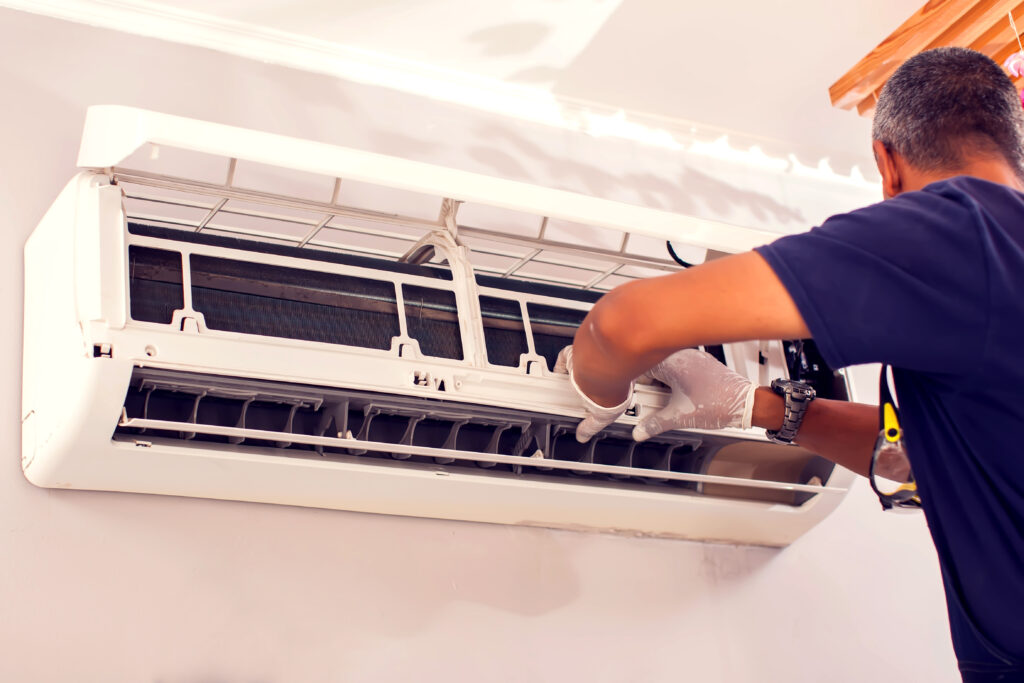
A broken air conditioner during a South Jersey summer can quickly turn from an inconvenience into a serious comfort and safety concern. When your AC suddenly stops working, it’s easy to panic—especially during a heatwave. However, taking a few simple steps before calling for service can help identify minor issues and ensure your system receives the right repair as quickly as possible.
Here’s what homeowners should do first when faced with an AC emergency.
Check Your Thermostat Settings
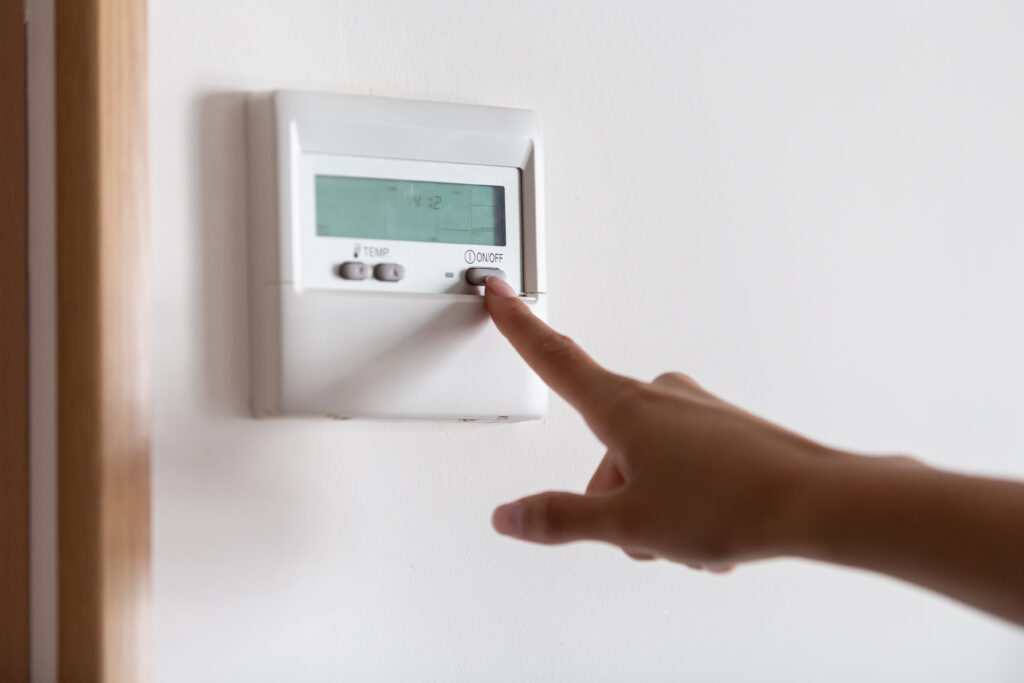
Before assuming there’s a major problem, verify that your thermostat is set correctly.
Make sure:
- The thermostat is set to “Cool”
- The temperature is set below the current room temperature
- The fan is set to “Auto” or your preferred setting
- The thermostat display is functioning properly
Sometimes accidental setting changes or weak batteries can prevent your system from cooling correctly.
Inspect Your Air Filter
A clogged air filter is one of the most common causes of AC performance issues.
Signs of a dirty filter:
- Weak airflow from vents
- Reduced cooling performance
- Higher energy bills
- Ice forming on indoor components
If the filter appears dirty, replace it and allow the system some time to recover.
Check Your Circuit Breaker
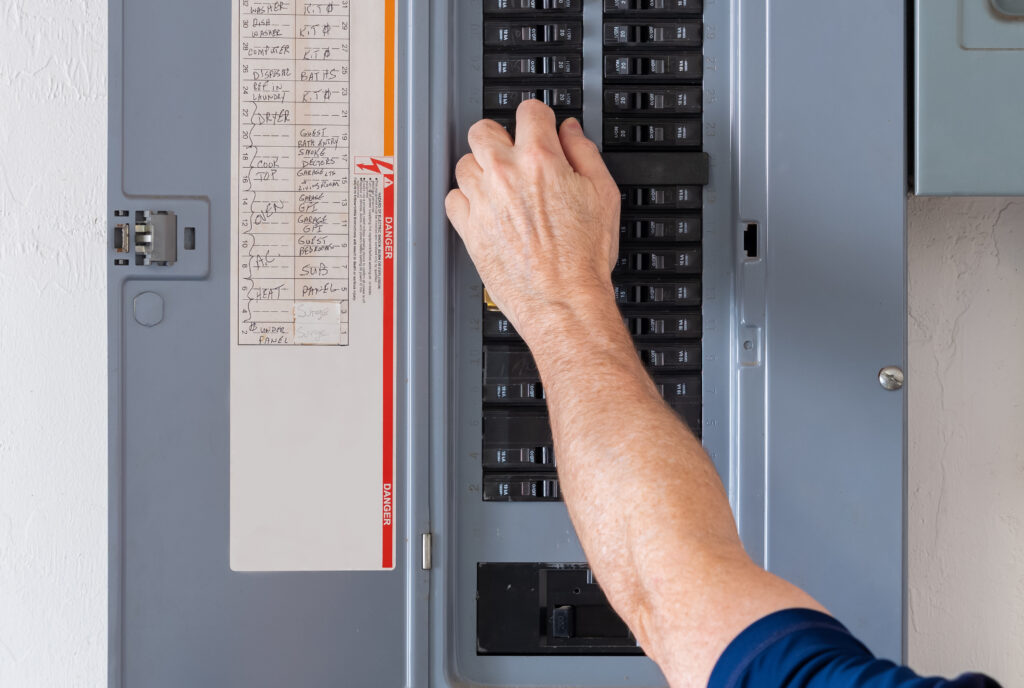
Air conditioners require significant electrical power. A tripped breaker can shut down part or all of the system.
Look for:
- Tripped HVAC breakers
- Breakers stuck between ON and OFF positions
If a breaker trips repeatedly, avoid resetting it multiple times. This may indicate an electrical issue that requires professional attention.
Inspect the Outdoor Unit
Your outdoor condenser unit needs proper airflow to release heat from your home.
Check for:
- Leaves, grass, or debris around the unit
- Obstructions blocking airflow
- Visible damage to the unit
Keeping at least two feet of clearance around the condenser helps maintain efficient operation.
Look for Ice on the System
Ice buildup is a warning sign that something is wrong.
Common causes include:
- Restricted airflow
- Dirty filters
- Refrigerant issues
- Frozen evaporator coils
If you notice ice, turn off the cooling function and allow the system to thaw while waiting for professional service.
Avoid Continuing to Run the System
Many homeowners keep lowering the thermostat in hopes that the AC will eventually catch up.
Unfortunately, this often makes the problem worse.
Running a struggling system can:
- Increase utility costs
- Cause additional wear and tear
- Lead to more expensive repairs
- Increase the risk of compressor damage
If the system is clearly not cooling, it’s often best to shut it down until it can be inspected.
Keep Your Home as Cool as Possible
While waiting for service:
- Close blinds and curtains
- Avoid using heat-producing appliances
- Use ceiling fans to circulate air
- Keep doors and windows closed
These steps can help reduce indoor temperatures and improve comfort.
Know When It’s Time to Call a Professional
Some AC issues require specialized tools, training, and diagnostic equipment.
Contact a professional if:
- The system won’t turn on
- Warm air is coming from vents
- Ice repeatedly forms on the unit
- Breakers continue to trip
- Strange noises or odors develop
- Cooling performance suddenly drops
Prompt repairs can often prevent minor problems from becoming major system failures.
Why Fast AC Repair Matters
Delaying repairs during the summer can lead to:
- Increased energy consumption
- More extensive equipment damage
- Reduced indoor comfort
- Costlier repairs or premature replacement
Addressing issues early is usually the most cost-effective solution.
Fast Emergency AC Repair in South Jersey

When your air conditioner stops working, WYNNOW provides prompt HVAC service for homeowners throughout South Jersey, including:
Our experienced technicians diagnose problems quickly and work to restore comfort as efficiently as possible.
Final Thoughts
An AC emergency doesn’t always mean a major system failure, but it should never be ignored. Checking your thermostat, filter, breaker, and outdoor unit can help rule out simple issues, while prompt professional service can prevent further damage.
When your home isn’t staying cool, acting quickly is often the best way to protect both your comfort and your HVAC investment. Please be sure to also check us out on Facebook, Instagram and X if you found this blog helpful!