

Modern homes rely on electricity more than ever before. From air conditioners and refrigerators to computers, smart devices, and kitchen appliances, today’s electrical systems are expected to handle a significant amount of power every day.
If your home’s electrical system is overloaded, it may struggle to keep up with demand, leading to frequent breaker trips, flickering lights, or even potential safety hazards. Recognizing the warning signs early can help prevent costly repairs and reduce the risk of electrical fires.
Here are the most common signs your home’s electrical system may be overloaded.
1. Circuit Breakers Keep Tripping
Your circuit breakers are designed to protect your home by shutting off power when a circuit becomes overloaded.
If breakers trip occasionally, it may simply be due to temporarily high electrical demand.
However, if they trip frequently, it could indicate:
- Too many devices on one circuit
- An overloaded electrical panel
- Faulty wiring
- A malfunctioning appliance
Repeated breaker trips should never be ignored.
2. Flickering or Dimming Lights
Lights that flicker or dim when appliances start may be a sign your electrical system is struggling.
Common examples include:
- Lights dimming when the air conditioner starts
- Flickering lights when the microwave is running
- Brightness changing when large appliances cycle on
Occasional slight dimming may be normal, but persistent issues warrant a professional inspection.
3. Warm Outlets or Switches
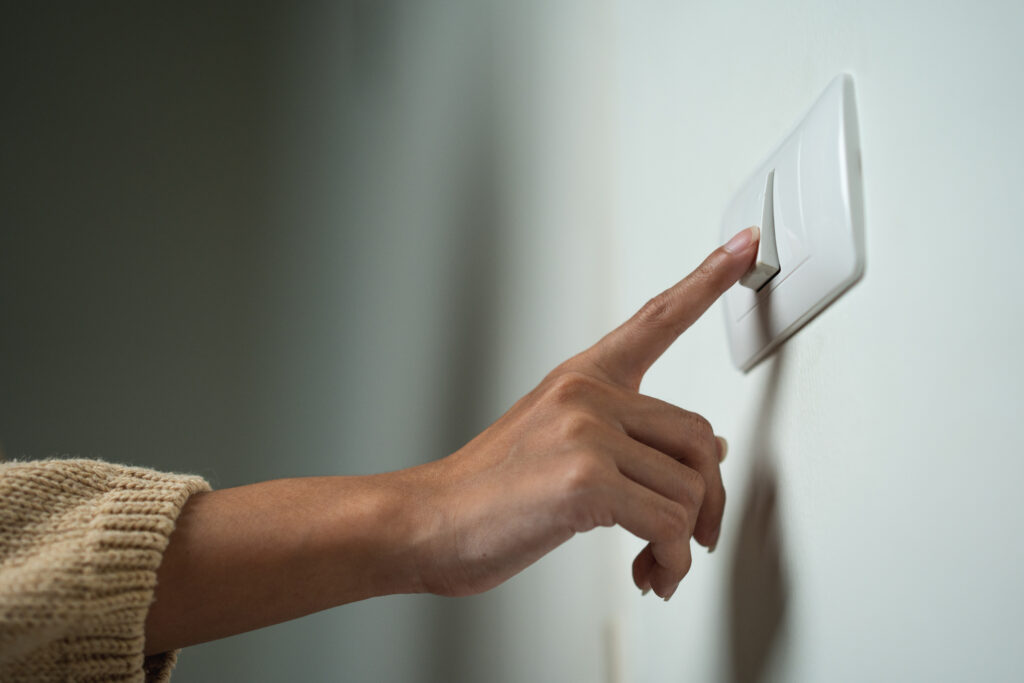
Electrical outlets and light switches should remain cool during normal use.
If they feel warm or hot to the touch, it may indicate:
- Overloaded circuits
- Loose wiring
- Faulty electrical connections
Warm outlets should be inspected promptly to help prevent more serious electrical problems.
4. Frequently Blown Fuses (Older Homes)
If your home still uses a fuse box instead of circuit breakers, blown fuses may indicate your electrical system is being overloaded.
Older electrical systems often weren’t designed to support today’s appliances and technology.
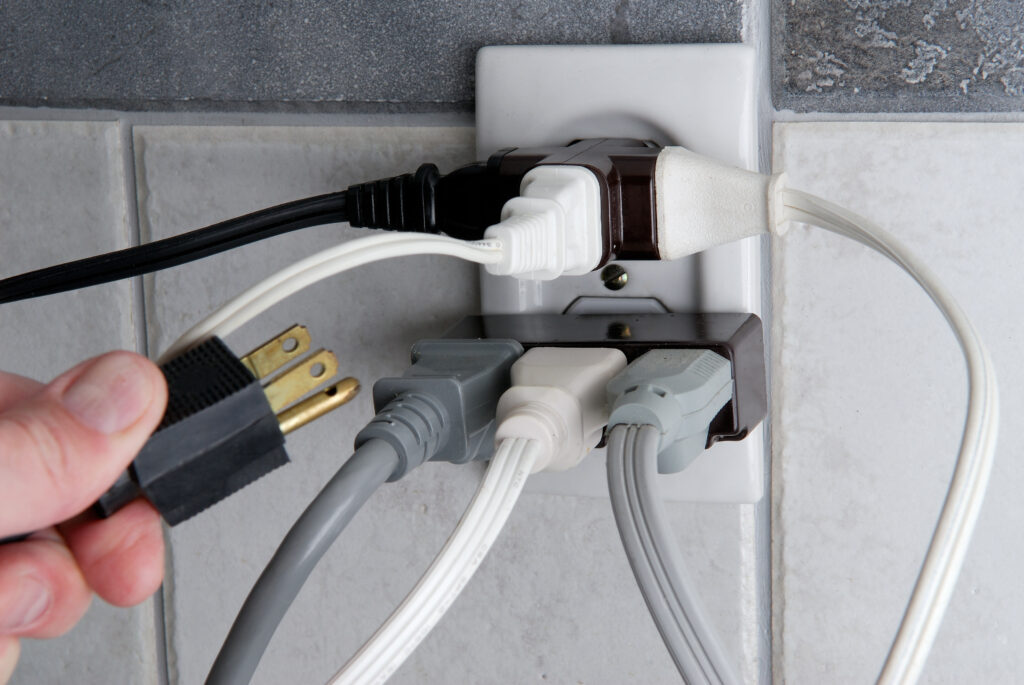
5. Extension Cords Everywhere
Using one extension cord occasionally isn’t usually a problem.
However, relying on multiple extension cords or power strips throughout your home may indicate you don’t have enough properly placed outlets.
This can increase the load on individual circuits and create additional safety concerns.
6. Buzzing Sounds

Electrical systems should operate quietly.
Buzzing, humming, or crackling sounds from:
- Outlets
- Switches
- Electrical panels
may indicate loose wiring or overloaded electrical components that require immediate attention.
7. Burning Odors
A burning smell coming from outlets, switches, or your electrical panel should never be ignored.
Turn off power to the affected area if it’s safe to do so and contact a licensed electrician immediately.
This may indicate overheating electrical components that require urgent repair.
8. Appliances Struggling to Operate
If appliances seem to lose power or perform inconsistently when other devices are running, your electrical system may not be supplying sufficient power.
Examples include:
- Microwave slowing when the AC starts
- Lights dimming during laundry cycles
- Electronics unexpectedly restarting
These symptoms may indicate an overloaded circuit or panel.
9. Your Electrical Panel Is Outdated
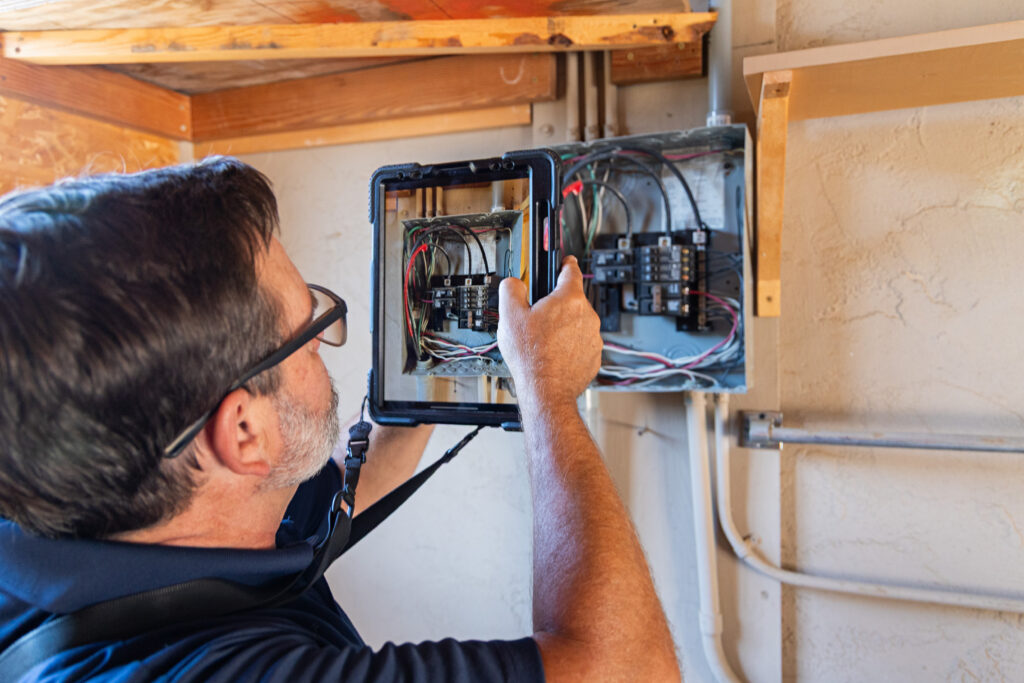
Many older homes were built before modern electrical demands became common.
An aging electrical panel may struggle to support:
- Central air conditioning
- Home offices
- Electric vehicle chargers
- Multiple televisions
- Smart home technology
If your home has never had an electrical upgrade, it may be worth having the panel evaluated.
10. You’re Constantly Adding New Electrical Devices
Every new appliance or electronic device increases your home’s electrical demand.
If you’ve recently added:
- A new HVAC system
- Pool equipment
- Hot tub
- Electric vehicle charger
- Home addition
- Additional kitchen appliances
your existing electrical system may no longer have adequate capacity.
How to Prevent an Overloaded Electrical System
Homeowners can reduce electrical strain by:
- Avoiding overloaded outlets
- Using dedicated circuits for large appliances
- Scheduling regular electrical inspections
- Replacing damaged wiring
- Upgrading outdated electrical panels when necessary
- Having HVAC systems properly maintained
Preventative maintenance can improve both safety and system reliability.
Electrical Services in South Jersey
As homes continue to add more electrical devices, ensuring your electrical system can safely handle the demand becomes increasingly important.
Homeowners in:
- Hammonton
- Egg Harbor Township
- Galloway
- Berlin
- Mays Landing
- Waterford Township
- Surrounding communities
can benefit from professional electrical inspections to identify overloaded circuits, aging wiring, and outdated electrical panels before they become serious safety concerns.
Final Thoughts

An overloaded electrical system often provides warning signs before a major problem develops. Frequent breaker trips, flickering lights, warm outlets, buzzing sounds, and burning odors are all indicators that your home’s electrical system may need professional attention.
Addressing these issues early can help improve safety, prevent costly repairs, and ensure your home has the electrical capacity to meet today’s energy demands. If you’re experiencing electrical issues or simply want peace of mind, WYNNOW is here to help. We proudly provide professional electrical inspections, repairs, panel upgrades, and maintenance services throughout South Jersey to keep your home’s electrical system safe, efficient, and reliable year-round. Also if you found this blog informative, please be sure to check us out on Facebook, Instagram and X!