
A slow-draining sink or backed-up toilet can be frustrating, but not every plumbing issue has the same cause. While a simple clogged drain may only affect one fixture, a sewer backup can impact multiple areas of your home and often requires immediate professional attention.
Knowing the difference between a clogged drain and a sewer backup can help homeowners respond appropriately, prevent further damage, and determine when it’s time to call a plumber.
What Is a Clogged Drain?
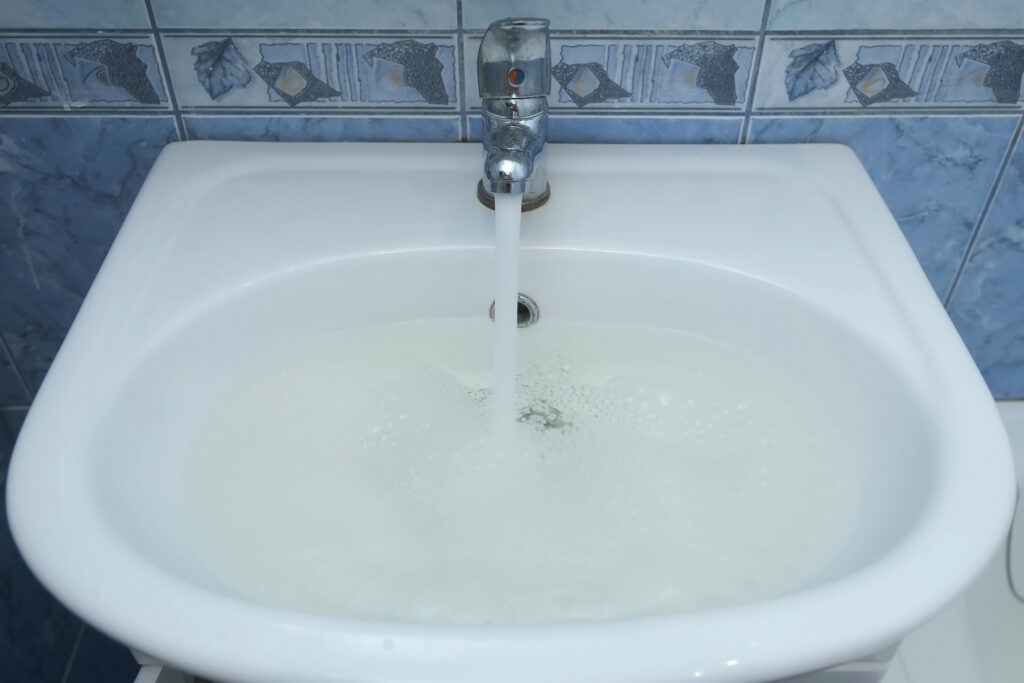
A clogged drain occurs when a blockage restricts water flow through a specific drain line.
Common causes include:
- Hair buildup
- Soap scum
- Grease and food debris
- Paper products
- Foreign objects
Most drain clogs affect only one fixture or area of the home.
Common Signs of a Clogged Drain
You may have a clogged drain if:
- One sink drains slowly
- One shower or bathtub is backing up
- One toilet is difficult to flush
- Water drains but more slowly than usual
- The issue is isolated to a single fixture
In many cases, localized drain clogs can be cleared before they develop into larger plumbing problems.
What Is a Sewer Backup?
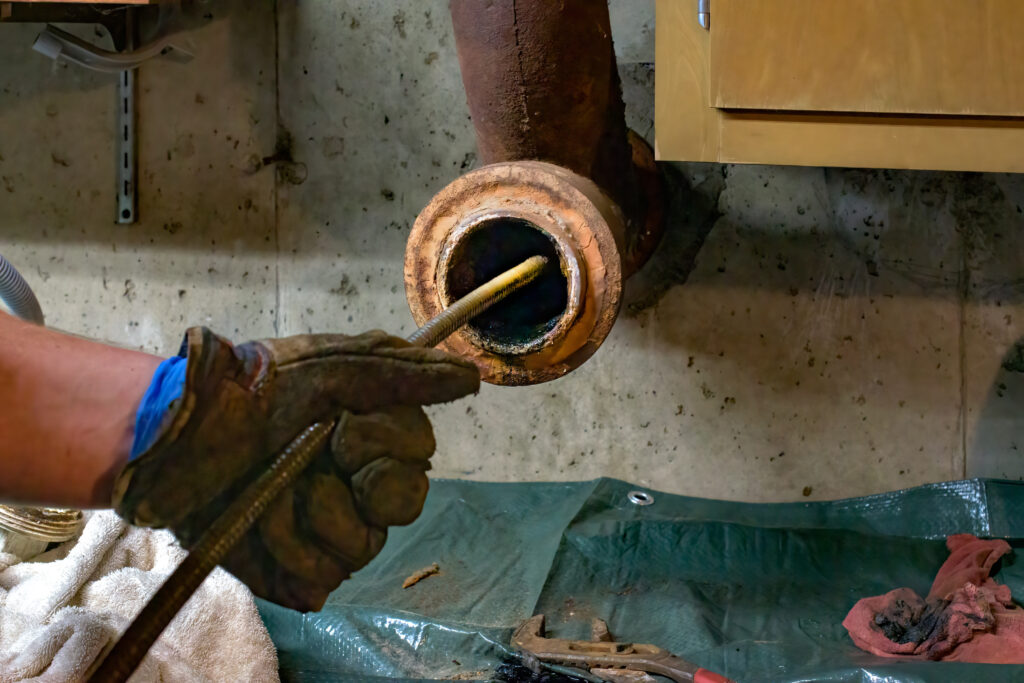
A sewer backup occurs when wastewater cannot properly leave your home through the main sewer line.
Instead of flowing away from the property, wastewater may back up into drains, toilets, tubs, or other plumbing fixtures.
Common causes include:
- Tree root intrusion
- Collapsed sewer lines
- Severe blockages
- Grease buildup
- Aging sewer infrastructure
- Damaged sewer pipes
Because sewer backups involve the main drainage system, they often affect multiple fixtures throughout the home.
Signs You May Have a Sewer Backup
Unlike a simple drain clog, sewer backups usually create symptoms in several locations.
Warning signs include:
Multiple Drains Backing Up
If more than one sink, shower, bathtub, or toilet is experiencing drainage problems simultaneously, the issue may be in the main sewer line.
Toilets Bubbling or Gurgling
Air trapped in a blocked sewer line often causes unusual sounds.
You may notice:
- Gurgling toilets
- Bubbling water
- Strange noises from drains
These sounds often occur when another fixture is being used elsewhere in the home.
Water Appearing in Unexpected Places
One of the clearest signs of a sewer backup is water appearing where it shouldn’t.
Examples include:
- Water backing up into a bathtub when a toilet is flushed
- Water rising in a floor drain when a sink is used
- Wastewater appearing in basement drains
Sewage Odors
Strong sewer odors inside the home are never normal.
Persistent foul smells may indicate:
- A sewer line blockage
- Wastewater backup
- Damaged sewer piping
These situations should be addressed promptly.
Floor Drain Backups
Many sewer backups first appear through basement or utility room floor drains because they are often the lowest points in the plumbing system.
Water or sewage around a floor drain is a common warning sign of a main line issue.
Key Differences Between a Clogged Drain and a Sewer Backup
| Clogged Drain | Sewer Backup |
|---|---|
| Usually affects one fixture | Often affects multiple fixtures |
| Slow drainage | Widespread drainage problems |
| Localized blockage | Main sewer line blockage |
| Minor plumbing issue | Potential plumbing emergency |
| Typically easier to clear | Often requires professional equipment |
Understanding these differences can help homeowners identify the severity of the problem more quickly.
What Should You Do If You Suspect a Sewer Backup?
If you believe you’re dealing with a sewer backup:
Stop Using Water Immediately
Avoid:
- Running sinks
- Taking showers
- Using dishwashers
- Doing laundry
- Flushing toilets
Additional water can worsen the backup.
Check Other Fixtures
Determine whether the problem is isolated or affecting multiple drains.
This information can help identify whether you’re dealing with a localized clog or a sewer line issue.
Contact a Plumbing Professional
Sewer backups often require specialized equipment such as:
- Drain cameras
- Sewer inspection equipment
- Professional drain cleaning tools
- Hydro jetting equipment
Prompt service can help minimize damage and restore proper drainage.
How to Prevent Drain and Sewer Problems
Homeowners can reduce the risk of plumbing issues by:
- Avoiding grease disposal down drains
- Using drain strainers
- Flushing only toilet paper
- Scheduling periodic sewer inspections
- Addressing slow drains early
- Managing tree roots near sewer lines
Preventative maintenance is often far less expensive than emergency repairs.
Plumbing Services in South Jersey
Drain clogs and sewer backups can happen in homes of any age, especially during periods of heavy usage or after years of buildup within the plumbing system.
Homeowners in:
- Hammonton
- Egg Harbor Township
- Galloway Township
- Berlin
- Mays Landing
- Waterford
- Surrounding communities
can benefit from professional drain cleaning and sewer inspections to identify issues before they become major plumbing emergencies.
Final Thoughts

While a clogged drain and a sewer backup may seem similar at first, the scope of the problem is often very different. A clogged drain usually affects a single fixture, while a sewer backup often impacts multiple drains throughout the home and may require immediate professional attention.
If you’re experiencing recurring drain problems, unusual plumbing noises, sewage odors, or multiple backups at once, it’s important to address the issue quickly. WYNNOW provides professional drain cleaning, sewer inspections, plumbing repairs, and maintenance services throughout South Jersey, helping homeowners keep their plumbing systems flowing safely and efficiently. Contact us today if you are experiencing any of these plumbing issues. Also please check us out on Facebook, Instagram and X if you found this blog helpful!