
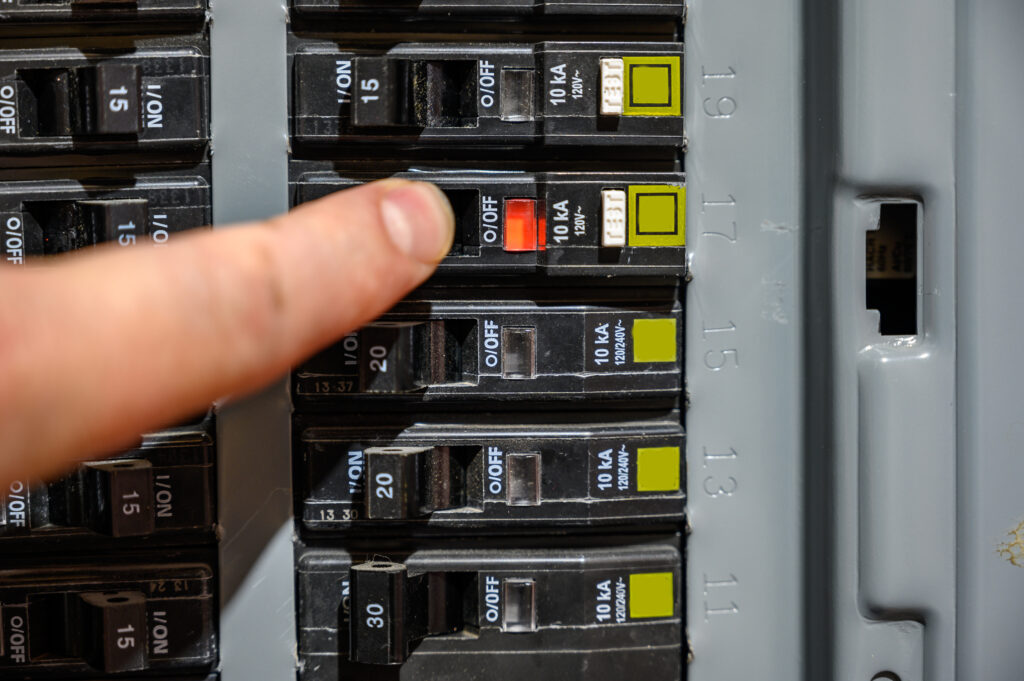
If your circuit breaker keeps tripping during the summer, it’s more than just an inconvenience—it’s your electrical system’s way of protecting your home. Circuit breakers are designed to shut off power when they detect an overload or electrical fault, helping to prevent damage to your wiring and reduce the risk of electrical fires.
Hot weather often increases the demand on your home’s electrical system, making breaker trips more common. Understanding the causes can help you identify potential problems early and know when it’s time to call a professional.
Why Breakers Trip More Often in Summer
During the summer months, homeowners rely heavily on air conditioners, ceiling fans, refrigerators, pool equipment, and other electrical devices. This increased demand can put significant stress on your home’s electrical system, especially if it’s older or wasn’t designed for today’s energy needs.
1. Your Air Conditioner Is Overloading the Circuit
Air conditioners are among the largest electrical loads in most homes.
If your AC shares a circuit with other appliances or is working harder during extreme heat, it may draw more electricity than the circuit can safely handle.
Warning signs:
- Breaker trips when the AC starts
- Lights dim when the AC turns on
- AC frequently shuts off
- Breaker trips during the hottest part of the day
2. Too Many Devices on One Circuit
Summer often means more electrical devices are running at the same time.
Examples include:
- Portable fans
- Window AC units
- Pool pumps
- Outdoor lighting
- Refrigerators in garages
- Power tools
When multiple high-demand devices operate on the same circuit, the breaker may trip to prevent overheating.
3. An Aging Electrical Panel
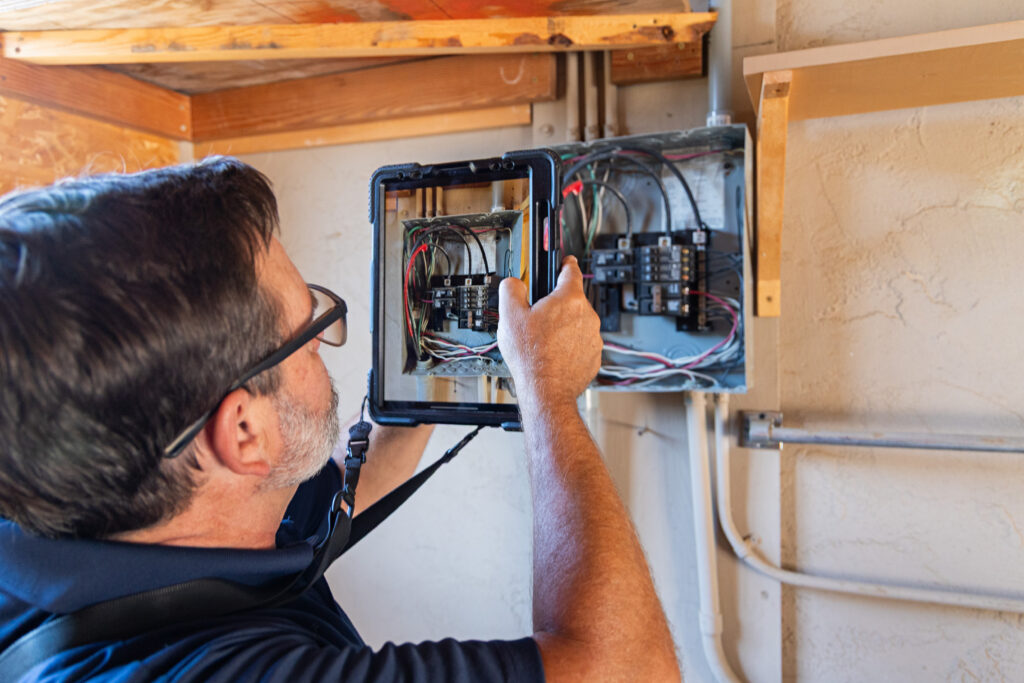
Many older homes still have electrical panels that were designed decades ago.
Today’s homes typically use much more electricity than they did when those panels were installed.
An outdated electrical panel may:
- Trip more frequently
- Struggle with modern appliances
- Have limited capacity for additional circuits
If breaker trips are becoming more common, your electrical panel may need to be evaluated.
4. Faulty Appliances
Sometimes the problem isn’t the breaker—it’s the appliance.
A malfunctioning appliance can create:
- Electrical shorts
- Excessive current draw
- Ground faults
If the breaker trips only when a specific appliance is running, that appliance should be inspected before it’s used again.
5. Loose or Damaged Wiring
Electrical connections naturally loosen over time due to vibration, temperature changes, and normal wear.
Damaged wiring can cause:
- Breaker trips
- Flickering lights
- Burning odors
- Warm outlets or switches
Because faulty wiring can present a serious safety hazard, it should always be inspected by a licensed electrician.
6. A Failing Circuit Breaker
Although circuit breakers are built to last, they don’t last forever.
Over time they can become worn and begin tripping more frequently—even when the circuit isn’t overloaded.
Signs of a failing breaker include:
- Frequent nuisance trips
- Breaker won’t reset
- Breaker feels hot
- Visible damage or discoloration
Replacing a worn breaker can restore safe, reliable operation.
7. Extreme Outdoor Temperatures

Electrical equipment generates heat during normal operation.
When outdoor temperatures rise, especially in garages, utility rooms, or outdoor electrical equipment, breakers may trip more easily because they are already operating in higher ambient temperatures.
While this isn’t always the root cause, extreme heat can expose existing electrical issues.
What You Should Do If Your Breaker Trips
If a breaker trips:
✔ Unplug unnecessary devices
Reduce the electrical load on the affected circuit.
✔ Reset the breaker once
If it trips again immediately, leave it off.
✔ Identify what was running
Take note of appliances that were operating when the breaker tripped.
✔ Avoid repeatedly resetting the breaker
Repeated trips usually indicate an underlying electrical problem that needs professional attention.
When to Call an Electrician
You should schedule an inspection if:
- Your breaker trips repeatedly
- Lights flicker frequently
- Outlets feel warm
- You smell something burning
- Your electrical panel is outdated
- Breakers won’t reset
Ignoring these warning signs can increase the risk of equipment damage and electrical hazards.
How to Prevent Summer Breaker Trips
Homeowners can reduce the risk by:
- Avoiding overloaded outlets and power strips
- Scheduling regular electrical inspections
- Upgrading outdated electrical panels
- Having HVAC systems properly maintained
- Spreading electrical loads across different circuits
- Replacing damaged or malfunctioning appliances
Preventative maintenance helps ensure your electrical system can safely handle increased summer demand.
Electrical Services in South Jersey
Summer places additional strain on electrical systems throughout South Jersey, especially in homes with older wiring or aging electrical panels.
Homeowners in:
- Williamstown
- Egg Harbor Township
- Winslow
- Berlin
- Newfield
- Sicklerville
- Surrounding communities
can benefit from professional electrical inspections to identify potential issues before they become safety hazards.
Final Thoughts

If your breaker keeps tripping during hot weather, don’t ignore it. Frequent breaker trips are your electrical system’s way of warning that something isn’t operating safely. Whether the cause is an overloaded circuit, a struggling air conditioner, faulty wiring, or an aging electrical panel, addressing the issue early can help prevent more serious problems.
WYNNOW provides professional electrical inspections, repairs and panel upgrades throughout South Jersey, helping homeowners keep their electrical systems safe, reliable, and ready to handle the demands of summer. If you found this blog informative, please be sure to check us out on Facebook, Instagram and X!