

When summer temperatures rise, it’s easy to rely heavily on your air conditioner to keep your home comfortable. But if your AC seems to run constantly, your energy bills are climbing, or certain rooms never seem to cool down, your air conditioner may be working harder than necessary.
The good news is that your AC isn’t the only thing responsible for keeping your house cool. Simple changes around your home can reduce the amount of heat entering your living space and help your air conditioner maintain a comfortable temperature without running more than it needs to.
From improving airflow to managing sunlight and humidity, here are some practical ways to keep your house cool without overworking your AC.
1. Keep Your Windows and Doors Closed
One of the simplest ways to reduce the workload on your AC is to keep cooled air inside.
During hot weather, frequently opening exterior doors or leaving windows open can allow warm, humid outdoor air into your home. Your AC then has to remove that additional heat and moisture.
Try to:
- Keep exterior doors closed when possible
- Make sure windows are fully closed while the AC is running
- Check for obvious gaps around doors and windows
- Make sure sliding doors close properly
- Avoid leaving garage doors open longer than necessary
If you notice drafts around closed windows or doors, improving the seals may help reduce unwanted heat transfer.
2. Use Curtains and Blinds to Block Direct Sunlight
Sunlight entering through windows can add a surprising amount of heat to your home.
This is especially noticeable in rooms with large, south- or west-facing windows that receive significant afternoon sun.
During the hottest part of the day, consider closing:
- Curtains
- Blinds
- Shades
- Solar shades
Room-darkening or thermal window coverings can also help reduce solar heat gain.
You don’t necessarily need to keep every window covered all day. Focus on windows receiving strong direct sunlight during the hottest portions of the day.
3. Use Ceiling Fans to Improve Comfort
Ceiling fans don’t actually lower the temperature of a room, but they can make people feel cooler by increasing air movement across the skin.
This can allow you to maintain a slightly higher thermostat setting while still feeling comfortable.
Make sure your ceiling fans are rotating in the appropriate direction for summer operation according to the fan manufacturer’s instructions.
Remember that fans cool people rather than the room itself, so turn them off in unoccupied rooms.
4. Replace a Dirty AC Filter
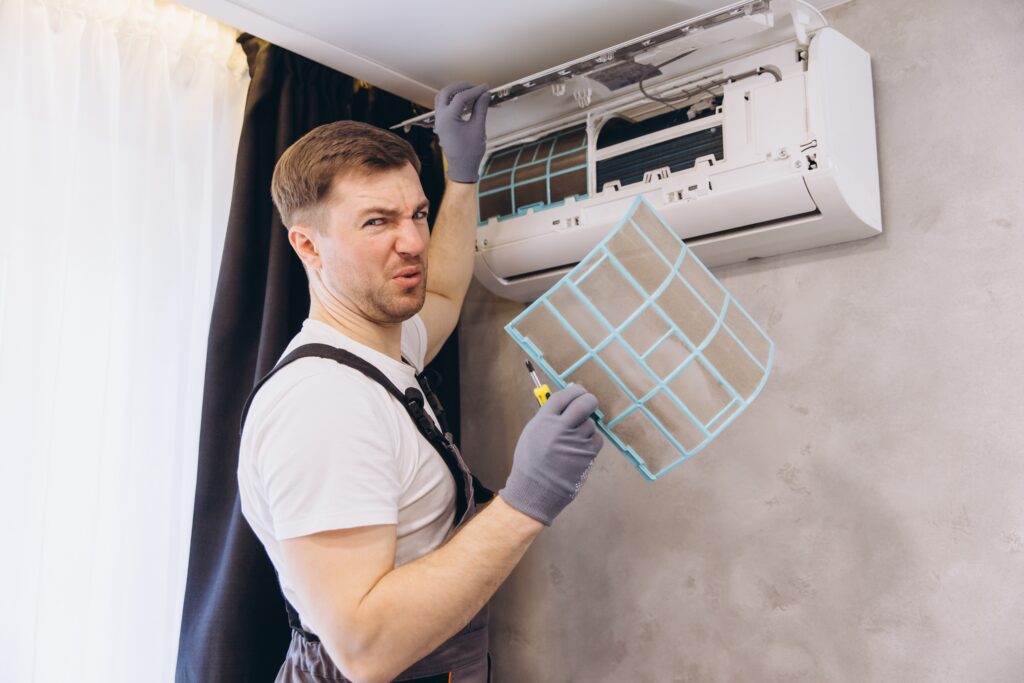
A dirty air filter can restrict airflow through your HVAC system.
When airflow is reduced, your AC may have a harder time distributing cool air throughout the house.
Check your filter regularly and replace it when necessary based on the manufacturer’s recommendations and your home’s conditions.
Homes with pets, construction activity, allergies, or significant dust may require more frequent filter changes.
A clean filter can support proper airflow and help your system operate as intended.
5. Keep Supply Vents and Returns Clear
Your HVAC system needs unobstructed airflow to distribute conditioned air effectively.
Check your vents and registers throughout the house.
Make sure they’re not blocked by:
- Furniture
- Rugs
- Curtains
- Storage containers
- Other household items
Also make sure return-air grilles aren’t obstructed.
If one room consistently feels much warmer than the rest of the house, don’t simply close vents in other rooms. Uneven temperatures can sometimes indicate airflow or ductwork issues that should be evaluated.
6. Reduce Heat From Appliances
Some household appliances produce significant amounts of heat.
During particularly hot afternoons, consider limiting the use of heat-producing appliances when practical.
For example, you can:
- Use the oven less frequently
- Cook outdoors when appropriate
- Use a microwave or smaller appliance instead of the oven
- Run the dishwasher later in the evening
- Avoid using the dryer during the hottest part of the day
These small changes can reduce the amount of heat your AC needs to remove.
7. Use Kitchen and Bathroom Exhaust Fans
Cooking, showering, and bathing can introduce heat and moisture into your home.
Exhaust fans can help remove humid air from bathrooms and heat and moisture from kitchens.
Use bathroom exhaust fans during showers and for a reasonable period afterward. When cooking, use your range hood or kitchen exhaust fan if it vents outdoors.
Reducing indoor humidity can make your home feel more comfortable even when the temperature hasn’t changed.
8. Check Your Attic and Insulation
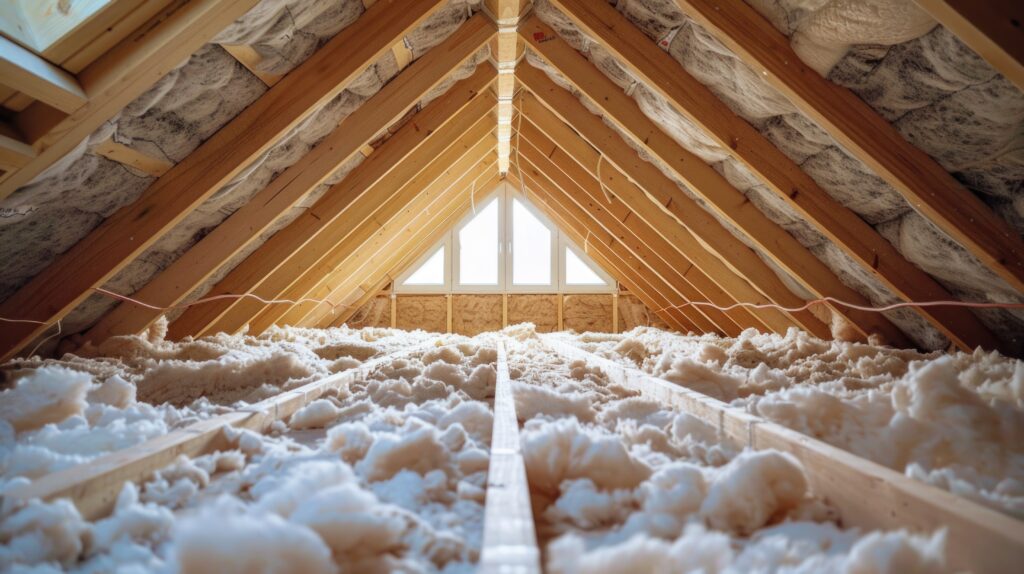
Heat entering through the roof and attic can significantly affect the temperature of your home.
During summer, attic temperatures can become much higher than the living areas below. Inadequate insulation or ventilation can make it easier for heat to transfer into the house.
If your upper floors are consistently much warmer than the rest of the home, consider having your attic insulation and ventilation evaluated.
Improving the building envelope can help your AC maintain indoor temperatures more efficiently.
9. Seal Obvious Air Leaks
Small gaps and cracks around your home can allow conditioned air to escape while warm outdoor air enters.
Check areas such as:
- Windows
- Exterior doors
- Baseboards
- Attic access points
- Plumbing penetrations
- Electrical penetrations
- Duct connections
Weatherstripping and caulk can address some basic gaps around windows and doors.
For more extensive air leakage, a professional home energy assessment may help identify areas that need attention in order to keep your house cool.
10. Make Sure Your Ductwork Is in Good Condition
Your AC can be operating correctly while your home still has cooling problems if conditioned air isn’t reaching the rooms efficiently.
Leaky, damaged, disconnected, or poorly insulated ductwork can contribute to:
- Uneven temperatures
- Reduced airflow
- Longer AC runtimes
- Higher energy use
- Poor comfort
If some rooms are consistently warmer than others, have your ductwork and airflow evaluated rather than simply lowering the thermostat.
11. Don’t Set the Thermostat Extremely Low
Setting the thermostat much lower doesn’t necessarily make the AC cool the house faster.
For example, if your home is 80°F and you set the thermostat to 65°F, the system still needs to work toward the temperature you’ve selected. The extremely low setting doesn’t make the equipment instantly produce colder air.
Instead, choose a comfortable temperature and allow the system to operate normally.
A programmable or smart thermostat can also help manage temperatures based on your schedule.
12. Keep the Outdoor AC Unit Clear
Your outdoor condenser needs adequate airflow.
Check the area around the unit and remove leaves, grass clippings, branches, and other loose debris.
Keep vegetation trimmed back so it doesn’t obstruct the equipment.
Don’t place items such as furniture, storage containers, or lawn equipment directly against the condenser.
If the outdoor coil is heavily dirty, professional cleaning may be appropriate.
13. Schedule AC Maintenance
If your AC is running longer than usual or struggling to keep your house cool, maintenance may be needed.
Professional AC maintenance can include checking:
- Airflow
- Electrical connections
- Refrigerant-related issues
- Evaporator and condenser coils
- Condensate drainage
- Blower components
- Thermostat operation
- Overall system performance
Routine maintenance can also help identify developing problems before they become larger issues.
14. Consider a Dehumidifier
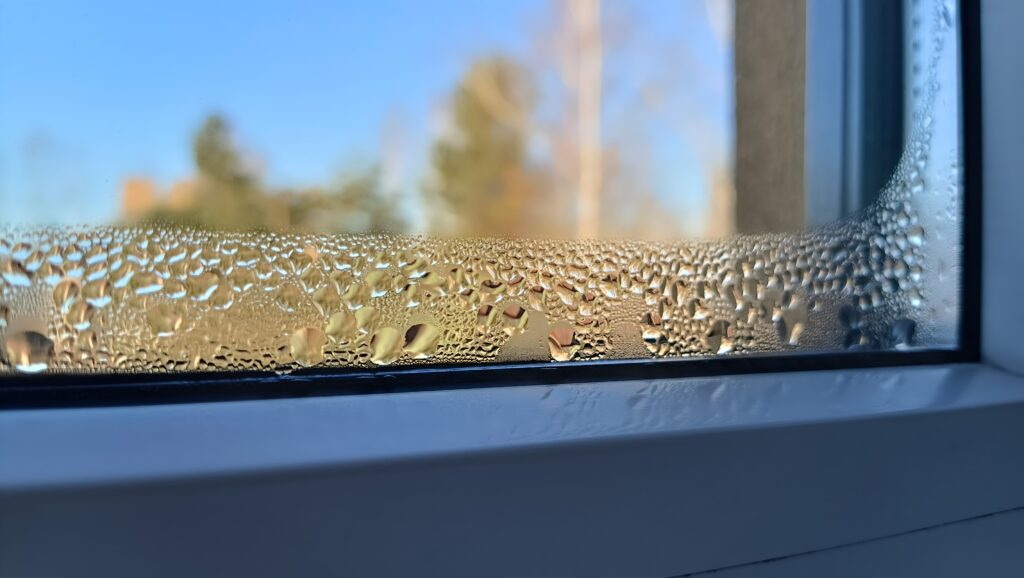
Temperature isn’t the only factor that determines how comfortable your home feels.
High indoor humidity can make a room feel warmer and stickier, even when the thermostat shows a reasonable temperature.
If your home consistently feels humid while the AC is running, possible causes can include:
- An oversized AC system
- Restricted airflow
- A condensate drainage problem
- Excess moisture entering the home
- Ductwork issues
- An HVAC performance problem
Depending on the situation, a whole-home or portable dehumidifier may help control moisture.
However, it’s important to identify why humidity is high before simply adding another appliance.
15. Close Off Unused Spaces Carefully
If you have rooms that aren’t regularly occupied, it may be tempting to completely close their vents.
However, your HVAC system was designed around a particular airflow balance. Closing too many supply vents can affect system performance.
Instead of making major changes to your ductwork or vents on your own, consider having an HVAC professional evaluate your system if you have rooms that aren’t being used regularly.
What Temperature Should You Keep Your House During Summer?
There’s no single thermostat setting that’s right for every household.
Comfort preferences, insulation, humidity, outdoor temperature, occupancy, and the efficiency of your HVAC system all affect the ideal setting.
Rather than constantly changing the thermostat by large amounts, choose a comfortable setting and use programmable scheduling when appropriate.
A smart thermostat can also help manage temperatures when you’re sleeping or away from home.
Signs Your AC May Be Working Too Hard
Some AC runtime is completely normal during hot weather. However, certain signs can indicate that your system needs attention.
Watch for:
- AC running almost constantly without reaching the set temperature
- Increasing energy bills without a major change in usage
- Weak airflow from vents
- Rooms that remain hot
- Frequent short cycling
- Ice forming on the equipment
- Water around the indoor unit
- Unusual noises or odors
- Excessive indoor humidity
If you notice these problems, don’t assume the AC simply needs to work harder because it’s hot outside.
There may be an underlying HVAC or home-efficiency issue.
Does a New AC System Automatically Solve the Problem?
Not necessarily.
If your home has poor insulation, significant air leaks, inadequate ductwork, or excessive humidity, installing a new AC may not completely resolve comfort problems.
Likewise, an improperly sized replacement system can create its own problems.
If you’re considering replacing your AC, it’s worth having the entire cooling system and home evaluated. Proper sizing, airflow, ductwork, insulation, and humidity control can all contribute to the performance of a new system.
When Should You Call an HVAC Professional?
Basic maintenance such as replacing an air filter or keeping the outdoor unit clear can be handled by many homeowners.
More complicated problems should be evaluated by a qualified HVAC professional.
Consider scheduling service if your AC:
- Isn’t cooling properly
- Runs continuously
- Has weak airflow
- Freezes up
- Leaks water
- Makes unusual noises
- Produces unusual odors
- Struggles with humidity
- Repeatedly trips a breaker
- Requires frequent repairs
A professional can determine whether the problem is related to the AC itself, airflow, ductwork, thermostat, electrical components, or another part of the home.
Keeping Your Home Cool in South Jersey
South Jersey summers can bring a combination of high temperatures and humidity, putting additional demand on residential cooling systems.
Homeowners in areas such as Hammonton, Atco, Berlin, Egg Harbor Township, Mays Landing, Galloway, Sicklerville, Waterford, Winslow Township, and Williamstown can benefit from practical steps that reduce heat gain and support proper AC operation.
Simple improvements like managing sunlight, maintaining airflow, controlling humidity, and keeping the outdoor unit clear can all contribute to a more comfortable home.
Final Thoughts

Your air conditioner doesn’t have to do all the work.
Keeping windows and doors closed, blocking direct sunlight, using ceiling fans, reducing appliance heat, maintaining good airflow, sealing air leaks, and addressing insulation or ductwork problems can all help your home stay cooler.
And if your AC still seems to be running constantly despite these steps, it may be time to have the system inspected.
If your home isn’t staying cool or your AC is working harder than it should, WYNNOW is here to help. We provide professional AC maintenance, repairs, inspections, and HVAC services throughout South Jersey to help keep your house cool. Also please be sure to check us out on Facebook, Instagram and X if you found this blog helpful!