
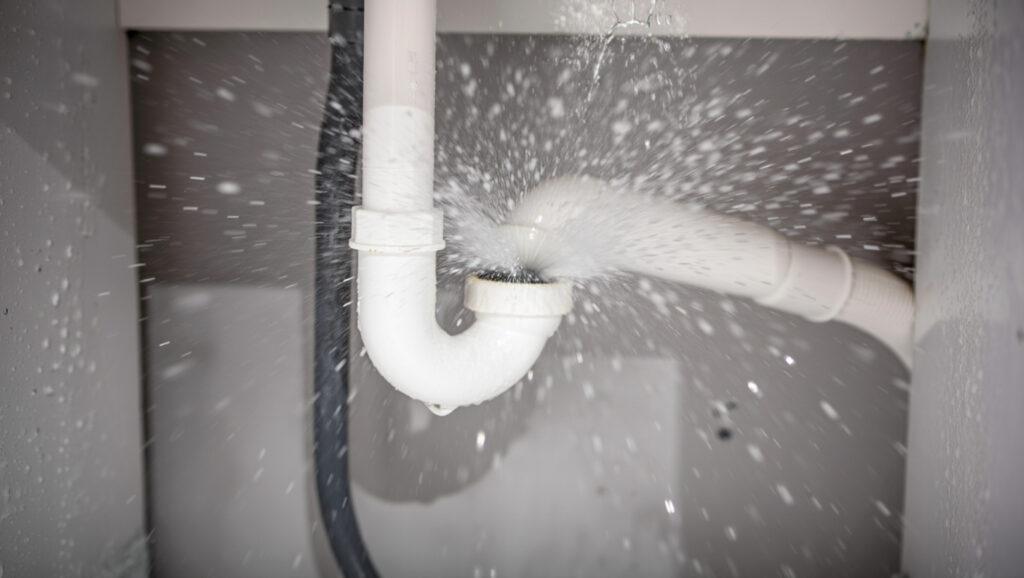
A plumbing emergency can happen without warning. Whether it’s a burst pipe, overflowing toilet, major leak, or backed-up drain, acting quickly can help minimize water damage and protect your home while you wait for professional assistance.
Knowing what to do during the first few minutes of a plumbing emergency can make a significant difference in preventing costly repairs. Here’s a step-by-step guide for homeowners.
1. Shut Off the Water Supply
The first and most important step is to stop the flow of water.
For localized problems:
Use the shut-off valve located near the affected fixture, such as:
- Sinks
- Toilets
- Washing machines
- Water heaters
For major leaks:
Turn off your home’s main water supply immediately.
Knowing where your main shut-off valve is located before an emergency occurs can save valuable time.
2. Turn Off the Water Heater (If Necessary)
If you’ve shut off the main water supply, it’s a good idea to turn off your water heater.
Running a water heater without an adequate water supply can damage the unit, especially gas-powered models.
If you’re unsure how to safely shut it down, consult the manufacturer’s instructions or wait for a plumbing professional.
3. Protect Your Belongings
Water damage can spread quickly.
Move the following away from the affected area whenever possible:
- Electronics
- Furniture
- Rugs
- Important documents
- Personal belongings
Quick action can reduce cleanup costs and minimize damage.
4. Contain the Water
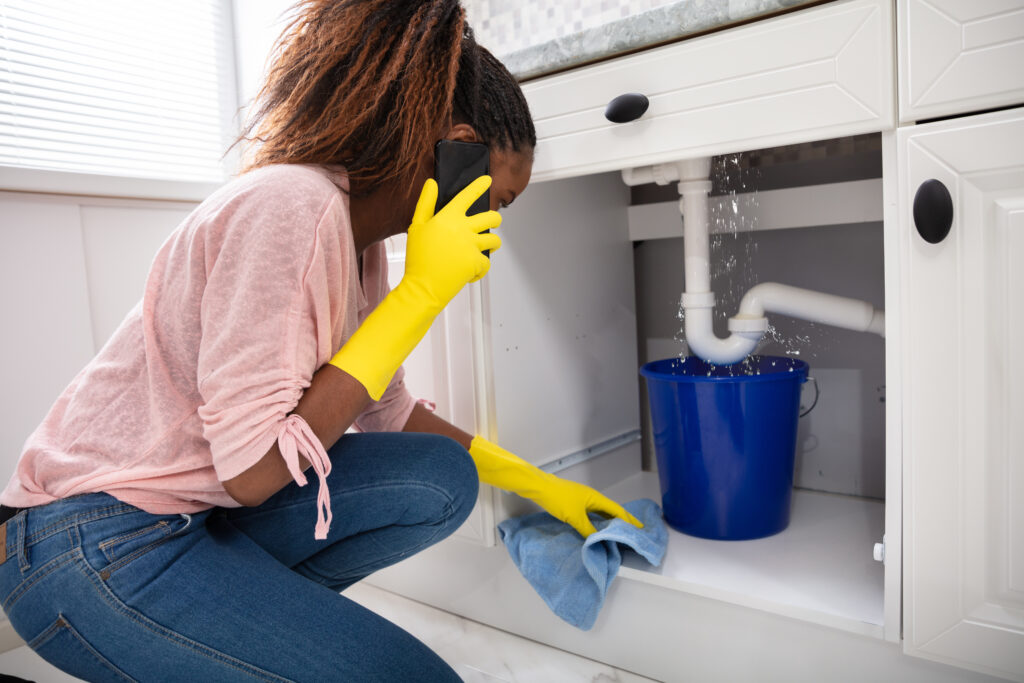
While waiting for repairs, try to limit the spread of water.
Helpful items include:
- Towels
- Buckets
- Mops
- Wet/dry vacuums (if safe to use)
If water is approaching electrical outlets or appliances, avoid contact and turn off power to the affected area if it can be done safely.
5. Avoid Using Plumbing Fixtures
If you suspect:
- A sewer backup
- A major drain blockage
- A burst pipe
Avoid running sinks, showers, dishwashers, or washing machines until the problem has been assessed.
Using additional water can make the situation worse.
6. Identify the Source of the Problem
If it’s safe to do so, determine where the leak or issue is coming from.
Common emergency plumbing problems include:
- Burst pipes
- Water heater leaks
- Overflowing toilets
- Broken supply lines
- Leaking faucets
- Clogged sewer lines
This information can help your plumber prepare for the repair before arriving.
7. Take Photos of the Damage
Document the affected area with photos or videos.
This can be helpful for:
- Insurance claims
- Repair documentation
- Tracking the extent of the damage
Be sure to avoid standing water near electrical hazards.
8. Don’t Attempt Major Repairs Yourself
Temporary measures, such as shutting off the water or placing a bucket under a leak, are generally appropriate.
However, avoid:
- Cutting into pipes
- Using excessive chemical drain cleaners
- Attempting complex plumbing repairs without proper tools or experience
Improper repairs can make the problem worse and increase repair costs.
Common Plumbing Emergencies
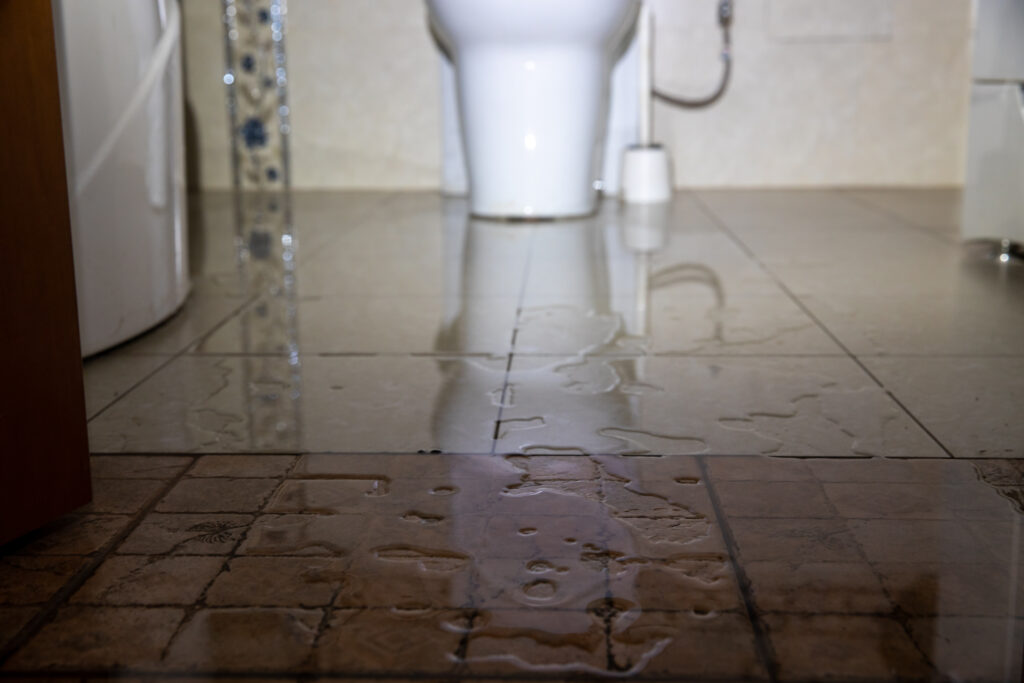
Some of the most common reasons homeowners call for emergency plumbing service include:
- Burst pipes
- Overflowing toilets
- Sewer backups
- Water heater failures
- Major leaks
- Broken water lines
- Clogged drains causing flooding
Prompt action helps reduce the risk of extensive water damage.
How to Prepare Before an Emergency Happens
Every homeowner should know:
- Where the main water shut-off valve is located
- How to shut off individual fixture valves
- Where the electrical panel is located
- Which plumbing fixtures are aging or leaking
- The signs of developing plumbing problems
Preparation makes emergencies less stressful and can significantly reduce damage.
Plumbing Services in South Jersey
Plumbing emergencies can happen at any time, and fast action is essential to minimize damage.
Homeowners throughout South Jersey, including:
- Sicklerville
- Egg Harbor Township
- Tabernacle
- Berlin
- Vineland
- Williamstown
- Surrounding communities
can benefit from routine plumbing maintenance to help identify issues before they become emergencies.
Final Thoughts

While plumbing emergencies can be stressful, knowing how to respond can help protect your home and reduce the extent of the damage. Shutting off the water, protecting your belongings, avoiding additional water use, and documenting the problem are all important first steps before professional help arrives.
WYNNOW provides professional plumbing inspections, repairs, maintenance, and emergency plumbing services throughout South Jersey, helping homeowners respond quickly when unexpected plumbing problems occur. If you found this blog helpful, please be sure to check us out on Facebook, Instagram and X!