
As temperatures drop across New Jersey, homeowners begin relying more heavily on their heating systems, space heaters, lighting, and other electrical equipment. With shorter days and colder weather, your home’s electrical system may experience increased demand throughout the winter.
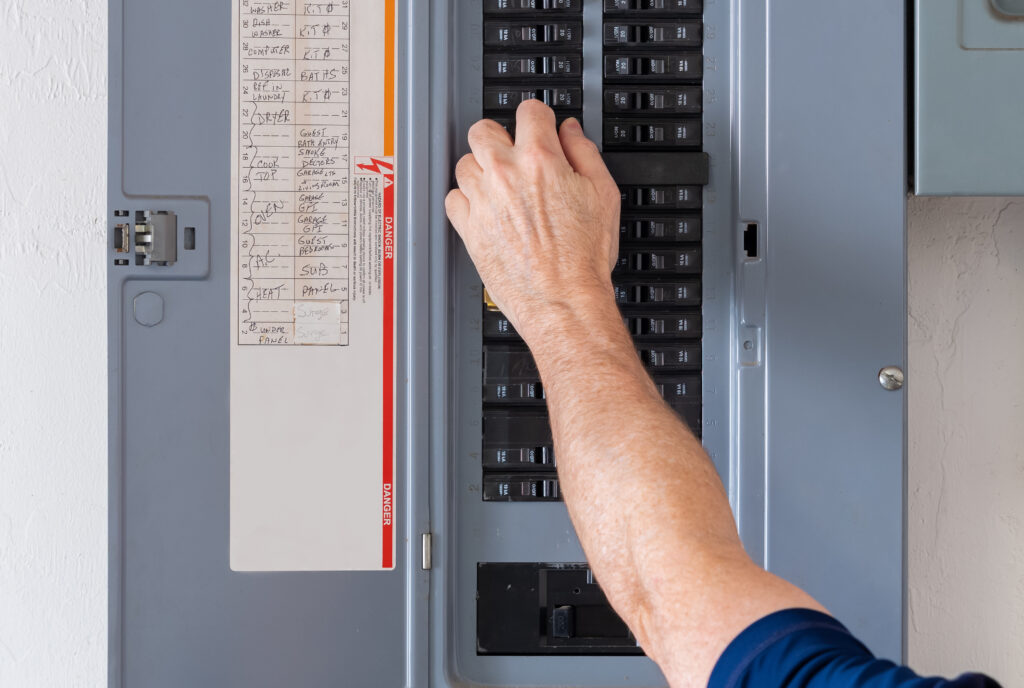
Your electrical panel plays an important role in keeping everything running safely. It distributes electricity to the circuits throughout your home and helps protect against overloads. If the panel is outdated, damaged, or already struggling to handle your household’s electrical needs, winter can make existing problems more noticeable.
Before the cold weather arrives, take some time to consider whether your electrical panel is ready for winter. Recognizing warning signs early can help reduce the risk of electrical problems, unexpected outages, and potential safety hazards.
Why Your Electrical Panel Matters During Winter
Your electrical panel is the central distribution point for your home’s electrical system. Electricity enters the panel and is distributed through individual circuits that power lights, outlets, appliances, heating equipment, and other devices.
During winter, electrical demand can increase as homeowners use more equipment at the same time.
Common examples include:
- Electric furnaces and heat pumps
- Portable space heaters
- Electric blankets and heated mattress pads
- Holiday lighting and decorations
- Additional indoor lighting
- Humidifiers and air purifiers
- Electric water heaters
- Kitchen appliances used more frequently during the holidays
Not every home will experience problems from increased electrical use. However, older panels or circuits that are already heavily loaded may have difficulty supporting additional demand.
An electrical panel inspection can help determine whether your system is in good condition and properly suited to your home’s electrical needs.
7 Signs Your Electrical Panel May Need Attention Before Winter
You do not need to wait for an electrical emergency to recognize that something may be wrong. Several warning signs can indicate that your electrical panel or circuits need professional attention.
1. Circuit Breakers Trip Frequently
Circuit breakers are designed to shut off electricity when a circuit becomes overloaded or experiences certain electrical faults.
An occasional trip may happen when too many appliances are operating on the same circuit. However, repeated breaker trips should not be ignored.
Pay attention if a breaker trips when you:
- Turn on a space heater
- Run multiple kitchen appliances
- Use your heating system
- Plug in additional holiday decorations
- Operate several high-powered devices at once
Repeated trips may indicate an overloaded circuit, a faulty appliance, a wiring problem, or another electrical issue.
Do not repeatedly reset a breaker that continues to trip. Have a licensed electrician identify the cause.
2. Your Electrical Panel Feels Warm or Smells Like Burning
Your electrical panel should not have a burning odor or feel unusually hot.
Warning signs include:
- A burning plastic smell
- Scorch marks around breakers
- Discoloration near the panel
- Crackling or buzzing sounds
- A panel cover that feels unusually warm
These symptoms may indicate loose electrical connections, overheating components, or other potentially dangerous conditions.
Do not remove the panel cover or attempt to tighten electrical connections yourself. If you smell burning, see smoke, or notice sparks, stay away from the panel. If there is smoke or fire, leave the home and call emergency services.
3. Your Home Has Flickering or Dimming Lights
Lights that flicker or dim when certain appliances turn on may indicate an electrical issue.
For example, you may notice lights dimming when your heating system starts, when a microwave operates, or when another large appliance runs.
Occasional minor changes can have different causes, but frequent or noticeable flickering should be investigated.
Possible causes include:
- Overloaded circuits
- Loose electrical connections
- Wiring problems
- Issues with the electrical panel
- Problems with the utility service
If several rooms experience flickering or dimming, the problem may involve more than one individual circuit. A licensed electrician can help determine whether the issue is inside your home or related to the incoming electrical supply.
4. Your Panel Is Older or Has Limited Capacity
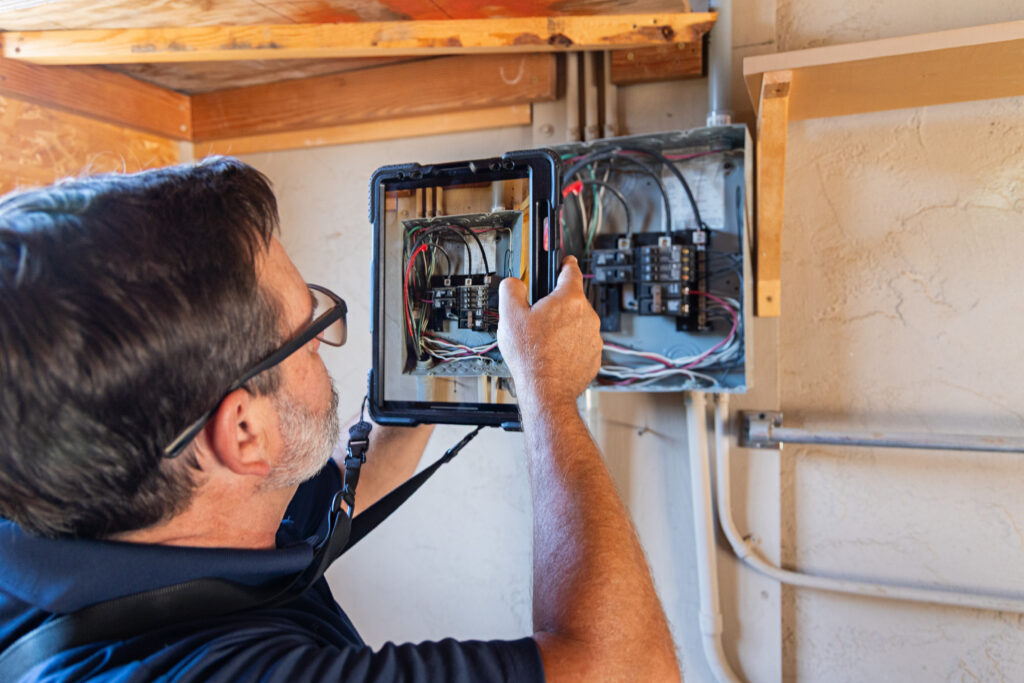
Older electrical panels may not be equipped to handle the electrical demands of modern households.
Homes built decades ago may have been designed for fewer appliances and less electrical equipment. Since then, many homeowners have added central air conditioning, electric heating, additional kitchen appliances, finished basements, home offices, and other electrical loads.
If your panel has limited capacity, adding more electrical equipment may require circuit upgrades or a panel replacement.
The age of a panel alone does not automatically mean it needs to be replaced. Its condition, capacity, type, installation, and the electrical demands of your home all matter.
An electrician can evaluate whether your existing panel is still appropriate or whether an upgrade would improve the safety and functionality of your electrical system.
5. You Rely on Extension Cords and Power Strips
As winter approaches, homeowners often add space heaters, holiday decorations, and other electrical devices.
If you find yourself relying on extension cords and power strips because there are not enough conveniently located outlets, your electrical system may need attention.
Keep in mind:
- Never plug a space heater into an extension cord or power strip unless the manufacturer specifically permits it.
- Avoid connecting multiple power strips together.
- Do not overload outlets.
- Replace damaged cords and plugs.
- Have additional outlets installed when needed.
Adding properly installed outlets or dedicated circuits may help reduce the need for temporary electrical setups.
6. You Have an Older Fuse Box or Outdated Electrical Equipment
Some older homes still have fuse boxes or electrical panels that may no longer be suitable for modern electrical demands.
While certain older electrical systems may still operate, their condition and safety should be evaluated by a qualified electrician.
An inspection can help identify outdated equipment, improper modifications, insufficient capacity, or components that may need replacement.
If your home still uses an older fuse box, consult an electrician about whether an upgrade makes sense for your household.
7. Your Panel Has No Room for Additional Circuits
A panel with no available breaker spaces can make future electrical improvements more complicated.
You may encounter this issue when planning to install:
- An electric vehicle charger
- A hot tub or pool equipment
- A new HVAC system
- An electric range or dryer
- Additional kitchen appliances
- A basement or home addition
Winter is not necessarily the best time to discover that your electrical system cannot accommodate an important upgrade.
If you are planning electrical improvements, have your panel evaluated beforehand. An electrician can determine whether additional circuits can be safely accommodated or whether a larger panel is needed.
Can Space Heaters Overload Your Electrical Panel?
Space heaters are a common source of supplemental heat during cold weather. However, they can place a significant load on household electrical circuits.
Many portable electric space heaters operate at approximately 1,500 watts on their highest setting. Running one alongside other high-powered appliances on the same circuit may cause the breaker to trip.
The problem is not necessarily the electrical panel itself. An individual branch circuit may simply be carrying more electrical load than it is designed to handle.
For safer operation:
- Plug space heaters directly into a wall outlet.
- Follow the manufacturer’s operating instructions.
- Avoid using multiple high-powered appliances on the same circuit.
- Keep heaters away from curtains, furniture, and other flammable materials.
- Turn off and unplug heaters when they are not in use.
- Never ignore repeated breaker trips.
If your space heater regularly causes a breaker to trip, stop using it until the electrical issue has been evaluated.
Should You Upgrade Your Electrical Panel Before Winter?
Not every homeowner needs an electrical panel upgrade before winter. However, replacing an outdated or inadequate panel may be worth considering if your home has ongoing electrical problems or requires additional capacity.
An upgrade may be appropriate when:
- Your existing panel is damaged or deteriorating.
- Breakers trip frequently because of electrical demand.
- Your panel has insufficient capacity for planned improvements.
- You are adding major appliances or electric heating equipment.
- You are renovating or expanding your home.
- An electrician identifies safety concerns with the existing equipment.
A panel upgrade may provide additional circuit capacity and help support modern electrical equipment.
However, a larger panel does not automatically solve every electrical problem. If the issue involves faulty wiring, overloaded individual circuits, or a problem with the utility supply, those concerns must also be addressed.
What Is Involved in an Electrical Panel Upgrade?
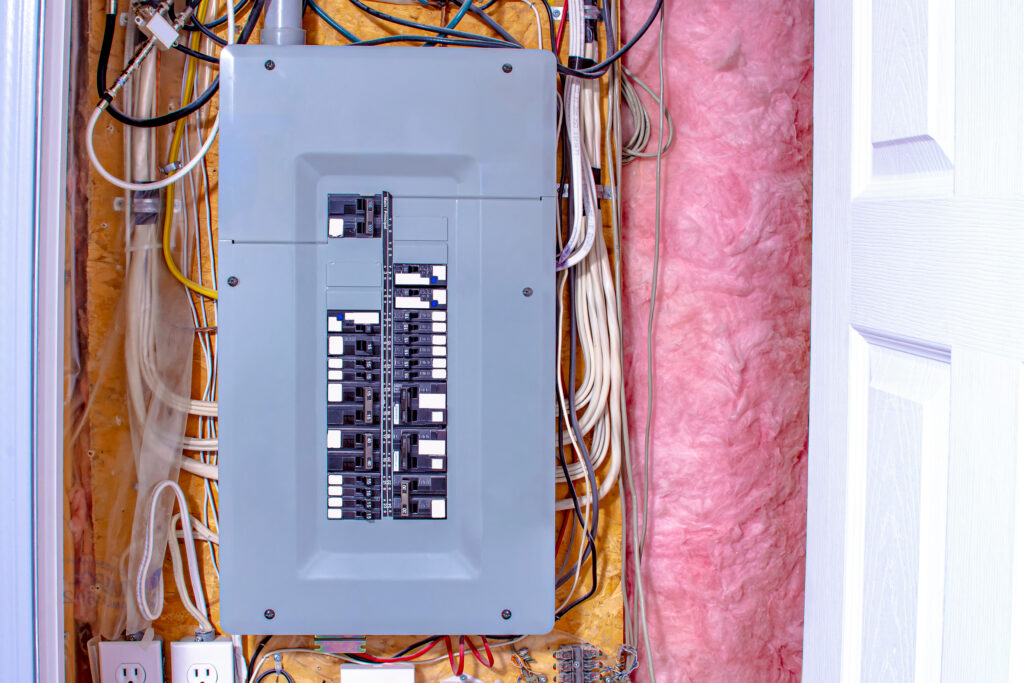
The exact process depends on your home’s existing electrical system and the scope of the project.
A typical panel replacement or upgrade may involve:
- Electrical evaluation: An electrician reviews the existing panel, wiring, electrical load, and household requirements.
- Upgrade planning: The appropriate panel size and configuration are determined.
- Permits and coordination: Required permits and utility arrangements are handled according to local requirements.
- Panel installation: The old equipment is replaced or upgraded, and circuits are properly connected and labeled.
- Inspection and testing: The completed work is checked to verify proper installation and operation.
Depending on the project, additional work may be needed for grounding, bonding, wiring, or the electrical service connection.
How Much Does an Electrical Panel Upgrade Cost?
The cost of an electrical panel upgrade depends on the existing equipment, the size of the new panel, and the amount of additional work required.
Factors that can affect the price include:
- Existing panel condition and type
- Required electrical capacity
- Whether the service entrance needs modification
- Wiring or grounding improvements
- Permit and inspection requirements
- Accessibility of the electrical equipment
- Additional circuits or electrical work
A straightforward panel replacement may cost less than a project requiring a service upgrade, extensive wiring improvements, or other electrical modifications.
The best way to determine the cost is to have a licensed electrician inspect your existing system and provide an estimate based on the actual work required.
Winter Electrical Safety Tips for Homeowners
Even if your electrical panel is in good condition, winter is a good time to review basic electrical safety practices.
Avoid Overloading Circuits
Be mindful of how many appliances and heating devices are operating on the same circuit. Space heaters, hair dryers, microwaves, and other high-powered appliances can quickly increase electrical demand.
Inspect Holiday Decorations
Before installing holiday lights, check for damaged wires, cracked sockets, broken plugs, or other signs of wear.
Use decorations rated for their intended indoor or outdoor location. Follow the manufacturer’s instructions and avoid connecting more light strings than recommended.
Keep Electrical Panels Accessible
Do not store boxes, decorations, cleaning supplies, or other belongings directly in front of your electrical panel.
Keep the area clear so breakers can be accessed when necessary and electricians can safely perform inspections or repairs.
Replace Damaged Outlets and Switches
Cracked outlets, loose receptacles, and switches that make unusual noises should be evaluated.
Do not continue using outlets that spark, feel warm, or show signs of discoloration.
Use Portable Heaters Carefully
Always follow the manufacturer’s instructions. Keep portable heaters on a stable, level surface and maintain the recommended clearance from combustible materials.
Never leave a space heater operating unattended or while sleeping.
Consider a Professional Electrical Inspection
If your home has an older electrical panel, frequent breaker trips, or other warning signs, schedule an inspection before winter demand increases.
An electrician can identify potential concerns and recommend repairs or improvements based on your home’s electrical needs.
Why Winter Electrical Preparation Matters in South Jersey
Homeowners throughout South Jersey experience colder temperatures, winter storms, and periods of increased electricity use. In communities such as Hammonton, Berlin, Sicklerville, and Williamstown, older homes and newer properties alike may have different electrical requirements.
Homes with older panels may need an evaluation to determine whether the existing system can support modern appliances and heating equipment. Properties with electric heat, additions, finished basements, or upgraded kitchens may also have higher electrical demands.
Before winter arrives, consider having your panel and electrical system inspected if you have noticed warning signs or are planning additional electrical work.
Preparing ahead of time can help reduce the chance of unexpected electrical problems during the coldest part of the year.
Frequently Asked Questions
How do I know if my electrical panel is ready for winter?
Look for warning signs such as frequently tripping breakers, flickering lights, burning odors, unusual buzzing, or a panel that feels unusually warm. If you notice any of these problems, have a licensed electrician inspect the system.
Can cold weather affect my electrical panel?
Cold weather does not normally damage a properly installed indoor electrical panel. However, winter often increases electricity use because of heating equipment, space heaters, lighting, and other appliances. This increased demand can expose existing electrical problems.
How old is too old for an electrical panel?
There is no single age at which every electrical panel must be replaced. Its condition, type, installation, capacity, and safety are more important than age alone. Older panels should be evaluated by a qualified electrician, especially if they show signs of damage or cannot support the home’s electrical needs.
Why does my breaker keep tripping when I use a space heater?
A space heater can draw a significant amount of electricity. If other appliances are operating on the same circuit, the combined load may exceed the circuit’s capacity. Stop using the heater on that circuit and have the cause evaluated if the breaker continues to trip.
Should I upgrade my electrical panel before installing a new heating system?
Not necessarily. It depends on the electrical requirements of the new equipment and the capacity of your existing system. Have an electrician evaluate the panel and circuits before installation to determine whether upgrades are needed.
Is a burning smell from my electrical panel dangerous?
A burning smell near an electrical panel can indicate overheating or damaged components. Stay away from the panel and do not remove its cover. If there is smoke or fire, leave the home and call emergency services. Otherwise, arrange for prompt evaluation by a licensed electrician.
How long does an electrical panel upgrade take?
The time required depends on the panel, service configuration, permitting, utility coordination, and whether additional wiring work is needed. A straightforward replacement may be completed in a day, but more extensive projects can take longer.
Can I replace an electrical panel myself?
Electrical panel replacement is not a suitable do-it-yourself project. It involves dangerous electrical connections, service equipment, grounding, and code requirements. Have the work completed by a qualified, licensed electrician and obtain required permits and inspections.
Final Thoughts

Your electrical panel plays an important role in keeping your home powered safely throughout the winter. Increased use of heating equipment, space heaters, appliances, and holiday lighting can put additional demand on your electrical system.
Taking time to recognize warning signs and address electrical concerns before temperatures drop can help prevent unexpected problems when you need your home the most.
If your electrical panel needs attention or you are considering an upgrade, WYNNOW is here to help you manage your home electrical service and improvement needs throughout South Jersey. Please be sure to check us out on Facebook, Instagram and X if you found this blog helpful as well!