


Spring in New Jersey brings warmer temperatures and longer days—but along the coast, it also brings unique challenges for homeowners. Between salty air, heavy rains, fluctuating temperatures, and coastal storms, your home can take on more wear and tear than you might expect. Homeowners in Mays Landing, Egg Harbor City, Hammonton, Folsom, and Buena often experience these seasonal impacts as changing weather affects roofs, outdoor systems, HVAC equipment, and drainage.
Understanding how coastal weather impacts your home in spring can help you stay ahead of damage, reduce repair costs, and keep your property in top shape.
1. Salt Air Accelerates Wear and Corrosion
If you live near the coast, salt in the air is one of the biggest hidden threats to your home.
What it affects:
- Outdoor electrical components
- HVAC units
- Metal fixtures, railings, and fasteners
- Pool equipment
Salt speeds up corrosion, which can shorten the lifespan of these systems.
What to do:
- Rinse outdoor equipment periodically
- Schedule seasonal inspections for HVAC and electrical systems
- Use corrosion-resistant materials where possible
2. Spring Rain Can Expose Drainage Problems
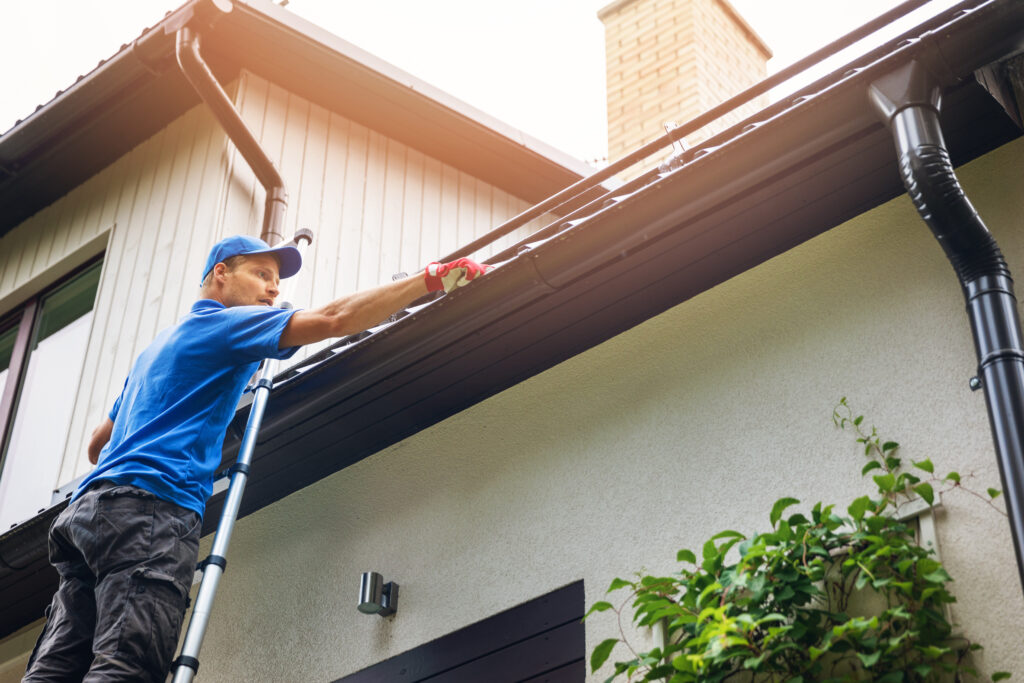
Coastal areas in New Jersey often see heavy spring rains, which can quickly reveal issues with drainage.
Common problems:
- Clogged or overflowing gutters
- Water pooling near foundations
- Basement moisture or flooding
What to do:
- Clean gutters and downspouts
- Ensure proper grading around your home
- Test sump pumps before peak rain season
Proper drainage is critical to preventing water damage and foundation issues.
3. Temperature Swings Cause Expansion and Cracking
Spring weather can fluctuate dramatically—warm days followed by cool nights.
What this impacts:
- Driveways and walkways (cracking)
- Roofing materials (expansion and contraction)
- Caulking and seals around windows and doors
What to do:
- Inspect concrete and asphalt for cracks
- Check roof shingles for looseness or damage
- Re-seal gaps around windows and doors
Addressing small cracks early prevents larger structural issues later.
4. Coastal Winds and Storms Stress Your Home

Spring storms along the coast can bring strong winds and sudden weather shifts.
Potential risks:
- Loose siding or roofing materials
- Fallen branches damaging roofs or power lines
- Outdoor furniture and fixtures becoming hazards
What to do:
- Trim nearby trees and branches
- Secure outdoor furniture and equipment
- Inspect your roof and siding after major storms
Preparation is key to minimizing storm-related damage.
5. High Humidity Impacts Indoor Comfort and Air Quality
As temperatures rise, humidity levels increase—especially near the coast.
What this can cause:
- Mold and mildew growth
- Reduced HVAC efficiency
- Poor indoor air quality
What to do:
- Service your HVAC system before summer
- Use dehumidifiers if needed
- Ensure proper ventilation in bathrooms and kitchens
Managing humidity early helps maintain comfort and protects your home.
6. Outdoor Systems Take a Bigger Hit
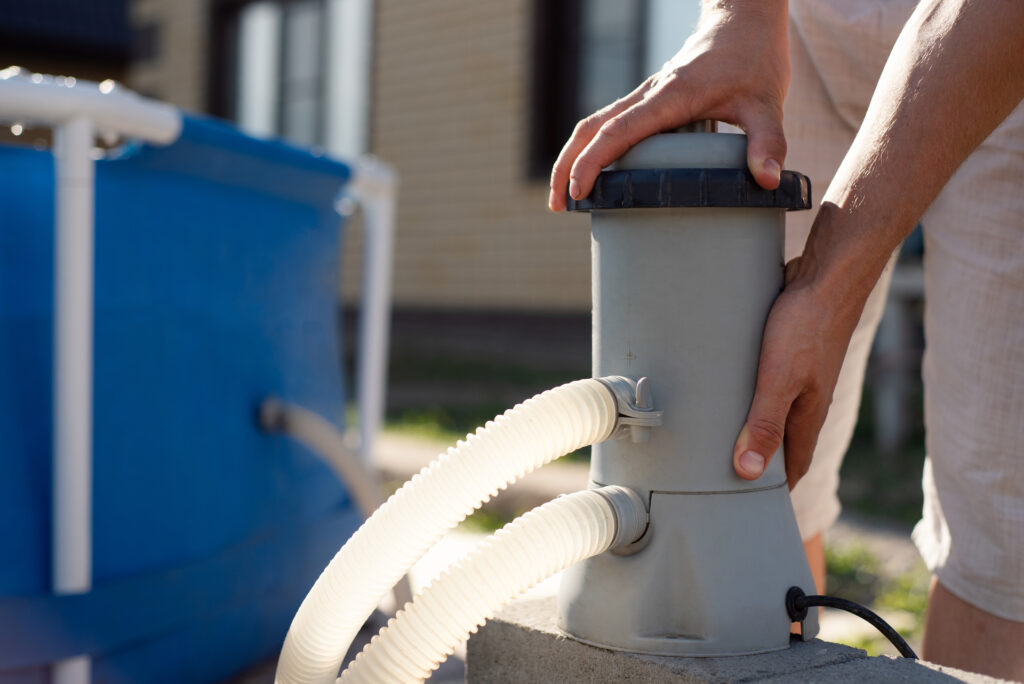
From pools to irrigation systems, outdoor features are more exposed in coastal environments.
Watch for:
- Leaks in irrigation lines
- Pool equipment wear from salt exposure
- Electrical issues with outdoor lighting
What to do:
- Inspect and test all outdoor systems in early spring
- Replace worn components before peak usage
- Upgrade to weather-resistant materials when possible
Stay Ahead of Coastal Wear and Tear
Living near the coast in New Jersey has its perks—but it also requires a more proactive approach to home maintenance. Spring is the ideal time to inspect, repair, and prepare your home for the months ahead.
By addressing these coastal-specific challenges early, you can avoid costly repairs, improve efficiency, and keep your home safe and comfortable all season long.

Need help preparing your home for coastal spring weather? Wynnow connects you with trusted professionals for HVAC, electrical, plumbing, landscaping, and more. Contact us today to schedule your spring maintenance and protect your home from seasonal damage. If you found this blog helpful, please check us out on Facebook, Instagram and X for more!