
Electrical problems are not always obvious, but some warning signs can indicate serious safety hazards inside your home. Flickering lights, burning smells, frequently tripping breakers, warm outlets, and unusual buzzing sounds may be signs of electrical issues that should never be ignored.
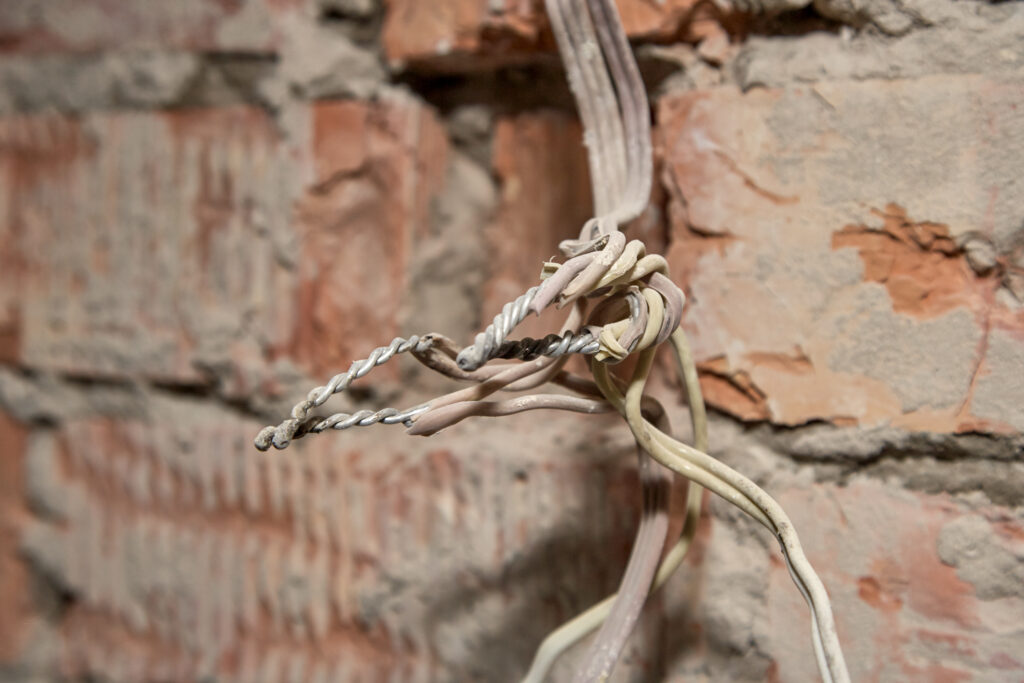
While some electrical problems may seem minor at first, they can become more serious over time. Faulty wiring, overloaded circuits, damaged outlets, and outdated electrical panels can increase the risk of electrical shock, equipment damage, and fires.
Knowing which electrical problems require immediate attention can help protect your home, family, and property. Whether you live in an older home or a newer property, recognizing warning signs early and knowing when to contact a licensed electrician is an important part of home maintenance.
Why Should You Never Ignore Electrical Problems?
Your home’s electrical system is designed to safely distribute electricity to outlets, appliances, lighting, and other equipment. When something goes wrong, the problem may involve damaged wiring, overloaded circuits, loose connections, faulty components, or deteriorating electrical equipment.
Ignoring electrical warning signs can lead to:
- Electrical fires.
- Electric shock.
- Damage to appliances and electronics.
- Repeated power interruptions.
- Overheating wires and electrical components.
- Expensive repairs.
- Potential damage to your home’s electrical system.
Electrical problems do not always produce visible signs of danger. Sometimes, a small change in how your lights, outlets, or appliances operate can be an early indication that something is wrong.
If you notice unusual electrical behavior, do not assume it will resolve itself.
1. Burning Smells Coming From Outlets, Switches, or Your Electrical Panel
A burning smell is one of the most serious electrical warning signs homeowners should never ignore.
If you notice an odor resembling burning plastic, rubber, or overheated electrical equipment near an outlet, switch, appliance, or electrical panel, it may indicate overheating or damaged electrical components.
Possible causes include:
- Loose electrical connections.
- Overloaded circuits.
- Damaged wiring.
- Faulty outlets or switches.
- Overheating electrical components.
- Malfunctioning appliances.
- Electrical arcing.
What Should You Do if You Smell Burning?
Stop using the affected outlet, appliance, or electrical equipment if it is safe to do so.
If you notice smoke, flames, or an immediate fire hazard, leave the home and call 911 from a safe location.
Do not touch an outlet, switch, electrical panel, or appliance that appears damaged or is overheating.
If the smell is coming from your electrical panel, do not remove the panel cover or attempt to inspect the wiring yourself.
A burning electrical odor should be investigated promptly by a licensed electrician.
2. Frequently Tripping Circuit Breakers
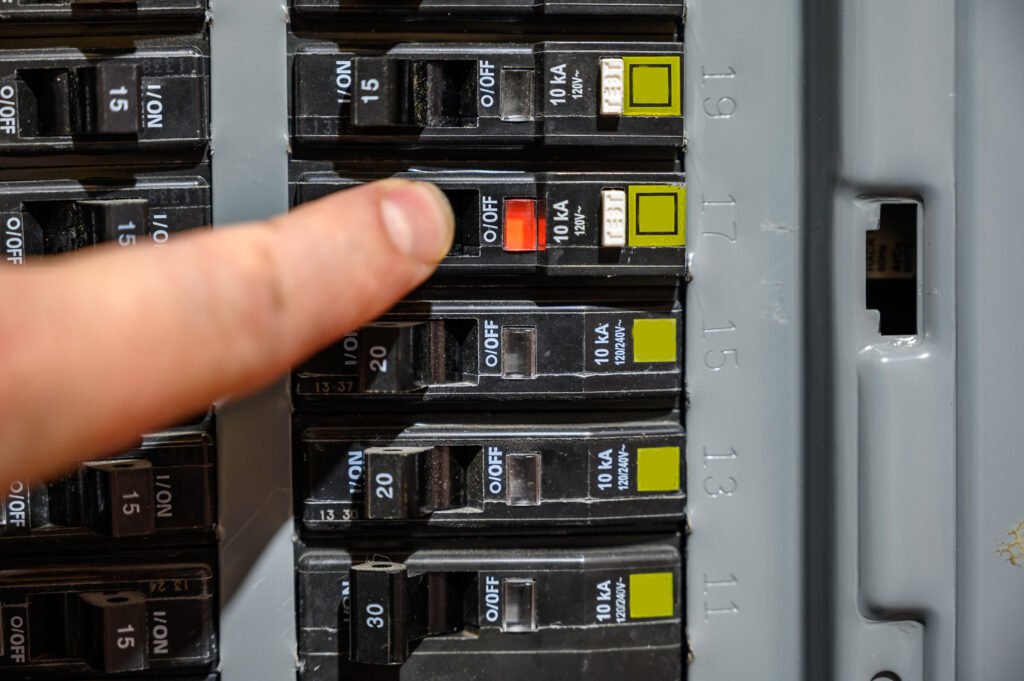
Circuit breakers are designed to interrupt electrical power when a circuit becomes overloaded or experiences certain electrical faults.
Occasional breaker trips may occur when too many appliances are operating on the same circuit. However, breakers that repeatedly trip indicate a problem that should not be ignored.
Common causes include:
- Overloaded circuits.
- Short circuits.
- Ground faults.
- Damaged wiring.
- Faulty appliances.
- Electrical equipment drawing too much power.
- Problems with the breaker itself.
Why Repeated Breaker Trips Are Dangerous
A breaker that repeatedly trips is responding to a condition that may be unsafe or outside the circuit’s intended operating limits.
Resetting the breaker over and over without addressing the cause can leave an underlying electrical problem unresolved.
If a breaker trips repeatedly, stop using the affected circuit and contact a licensed electrician.
Never force a breaker to remain on, replace it with a higher-rated breaker without proper evaluation, or attempt to bypass its safety function.
3. Flickering or Dimming Lights
Lights that flicker occasionally may be caused by something as simple as a loose bulb. However, persistent flickering, widespread dimming, or lights that change brightness when appliances turn on may indicate an electrical problem.
Possible causes include:
- Loose wiring connections.
- Overloaded circuits.
- Faulty switches.
- Problems with the electrical panel.
- Voltage fluctuations.
- Issues with the electrical service.
When Should Flickering Lights Be a Concern?
Pay attention if:
- Multiple lights flicker at the same time.
- Lights dim when your HVAC system starts.
- Lights become brighter or dimmer unexpectedly.
- Flickering occurs throughout your home.
- Lights flicker even after replacing the bulb.
- You notice flickering along with buzzing or burning smells.
If lights are flickering throughout your home or changing brightness significantly, the problem may involve your electrical service or panel.
Certain service-related problems can pose serious safety risks. Contact a licensed electrician or your utility company, depending on the symptoms.
Do not ignore widespread flickering, especially when accompanied by other warning signs.
4. Warm, Hot, or Discolored Electrical Outlets
Electrical outlets should not feel unusually hot during normal use.
A slightly warm outlet may sometimes be associated with a device drawing power, but excessive heat, discoloration, or burning odors are warning signs that require attention.
Look for:
- Warm or hot outlet covers.
- Brown or black discoloration.
- Melted plastic.
- Cracked outlet covers.
- Loose plugs.
- Sparks when plugging in devices.
- Burning odors.
What Causes Outlets to Overheat?
Overheating may be caused by:
- Loose wiring connections.
- Damaged receptacles.
- Overloaded circuits.
- Poor electrical contact.
- Worn-out outlets.
- Improperly installed electrical components.
If an outlet becomes hot, stop using it and unplug connected equipment if it is safe to do so.
Do not touch an outlet that is visibly damaged, melted, smoking, or sparking.
Have the outlet inspected and repaired by a licensed electrician before using it again.
5. Buzzing, Humming, or Crackling Electrical Sounds
Electrical systems should generally operate quietly.
A buzzing, humming, crackling, or sizzling sound coming from an outlet, switch, electrical panel, or wiring may indicate a loose connection, electrical arcing, or another problem.
Common warning signs include:
- Buzzing from wall outlets.
- Crackling sounds when using switches.
- Humming from the electrical panel.
- Sizzling sounds behind walls.
- Noise accompanied by flickering lights.
- Sounds accompanied by burning odors.
Why Electrical Arcing Is Dangerous
Electrical arcing occurs when electricity jumps across a gap between conductive materials.
Arcing can generate intense heat and may ignite surrounding materials.
Some electrical arcs can occur inside walls or electrical equipment without producing obvious visible signs.
If you hear crackling or sizzling near electrical equipment, stop using the affected area and arrange for an electrician to inspect it promptly.
If there is smoke, fire, or an immediate danger, leave the home and call emergency services.
6. Sparks Coming From Outlets or Switches
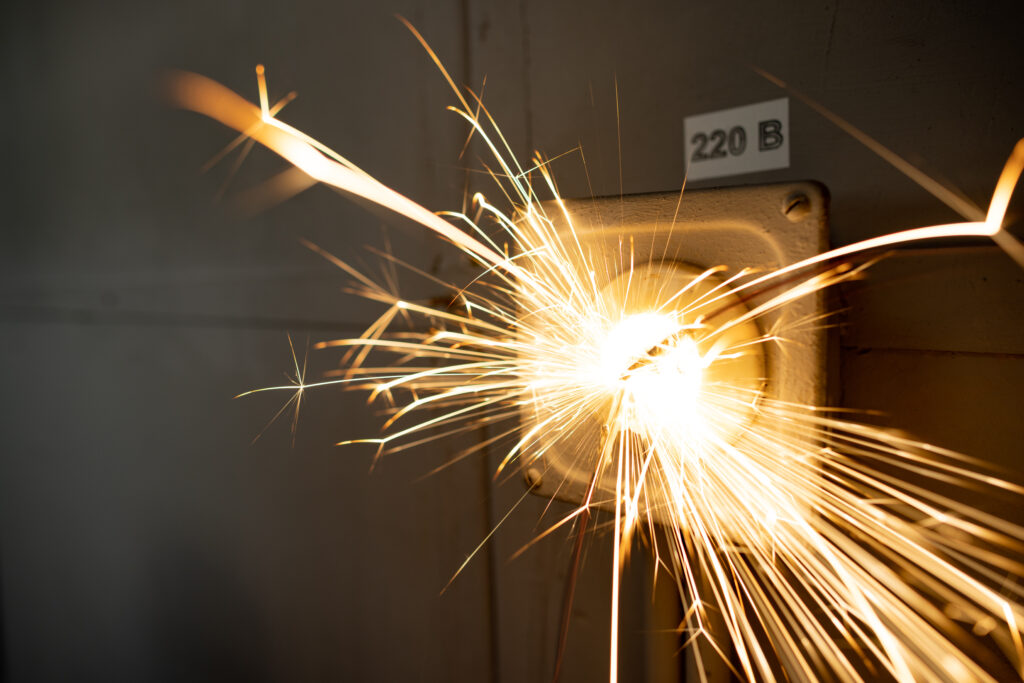
A small spark may occasionally occur when plugging in or unplugging certain devices, particularly when the device is drawing power. However, repeated, large, unusual, or sustained sparks should never be ignored.
Be concerned if you notice:
- Large sparks when plugging in devices.
- Sparks coming from switches.
- Sparks accompanied by burning smells.
- Sparks occurring when nothing is being plugged in.
- Visible electrical arcing.
- Outlets that spark repeatedly.
Sparking may indicate a damaged outlet, loose connection, faulty wiring, or another electrical problem.
Stop using the affected outlet or switch and have it inspected by a licensed electrician.
Do not attempt to repair sparking electrical equipment while it is energized.
7. Electrical Shocks or Tingling Sensations
Feeling a shock or tingling sensation when touching an appliance, switch, outlet, or other electrical equipment is not normal and should never be ignored.
Even a mild shock may indicate an electrical fault.
Potential causes include:
- Improper grounding.
- Damaged wiring.
- Faulty appliances.
- Electrical leakage.
- Incorrectly installed electrical equipment.
- Problems with grounding or bonding.
What Should You Do if You Receive an Electrical Shock?
Stop using the equipment immediately.
Do not touch the appliance again if you suspect it is energized or damaged.
If someone is experiencing an electrical shock, do not touch them while they are still in contact with the electrical source. Call emergency services and disconnect the power only if you can do so safely.
Even minor electrical shocks can sometimes cause injuries that are not immediately apparent. Seek medical attention if symptoms occur, particularly after a significant shock.
Have the electrical equipment and circuit inspected before using them again.
8. Outlets That Stop Working or Work Intermittently
An outlet that suddenly stops working may be caused by a tripped breaker, a tripped GFCI outlet, or a problem with the outlet itself.
However, outlets that work intermittently, lose power repeatedly, or stop working without an obvious cause may indicate a wiring problem.
Possible causes include:
- Loose wiring connections.
- Damaged outlets.
- Faulty GFCI protection.
- Circuit breaker problems.
- Damaged electrical wiring.
- Problems with upstream connections.
If multiple outlets stop working at the same time, they may be connected to the same circuit.
Check for a tripped breaker or GFCI outlet only if it is safe to do so. If the problem continues, contact an electrician.
Do not remove outlet covers or attempt to tighten wiring connections yourself.
9. Extension Cords and Power Strips Overheating
Extension cords and power strips are convenient, but they are not intended to replace permanent electrical wiring.
Overloading them or using damaged equipment can create overheating and fire hazards.
Warning signs include:
- Warm or hot extension cords.
- Discolored plugs.
- Melted insulation.
- Burning smells.
- Loose connections.
- Repeatedly tripping breakers.
- Multiple high-powered appliances connected to the same power strip.
High-powered equipment such as space heaters, portable air conditioners, microwaves, and other appliances may draw substantial electrical current.
Space heaters should generally be plugged directly into a wall outlet and used according to the manufacturer’s instructions.
Avoid connecting multiple power strips together or using extension cords as permanent wiring.
If you regularly rely on extension cords because your home does not have enough outlets, consider having additional outlets installed by a licensed electrician.
10. Water Near Electrical Equipment
Water and electricity create a dangerous combination.
Flooding, leaking plumbing, heavy rain, and water intrusion can expose electrical equipment to moisture and create the risk of electric shock, electrical fires, and equipment damage.
Be alert for water near:
- Electrical panels.
- Outlets.
- Switches.
- Wiring.
- Basement electrical equipment.
- Extension cords.
- Appliances.
- Outdoor electrical connections.
What Should You Do if Electrical Equipment Gets Wet?
Do not touch wet electrical equipment or enter flooded areas where electrical hazards may exist.
If water is near your electrical panel or other energized equipment, stay away and contact your utility company or a licensed electrician for guidance.
Never operate switches or unplug equipment while standing in water.
If flooding has affected your home’s electrical system, it should be professionally inspected before power is restored or affected equipment is used again.
11. An Outdated Electrical Panel or Fuse Box
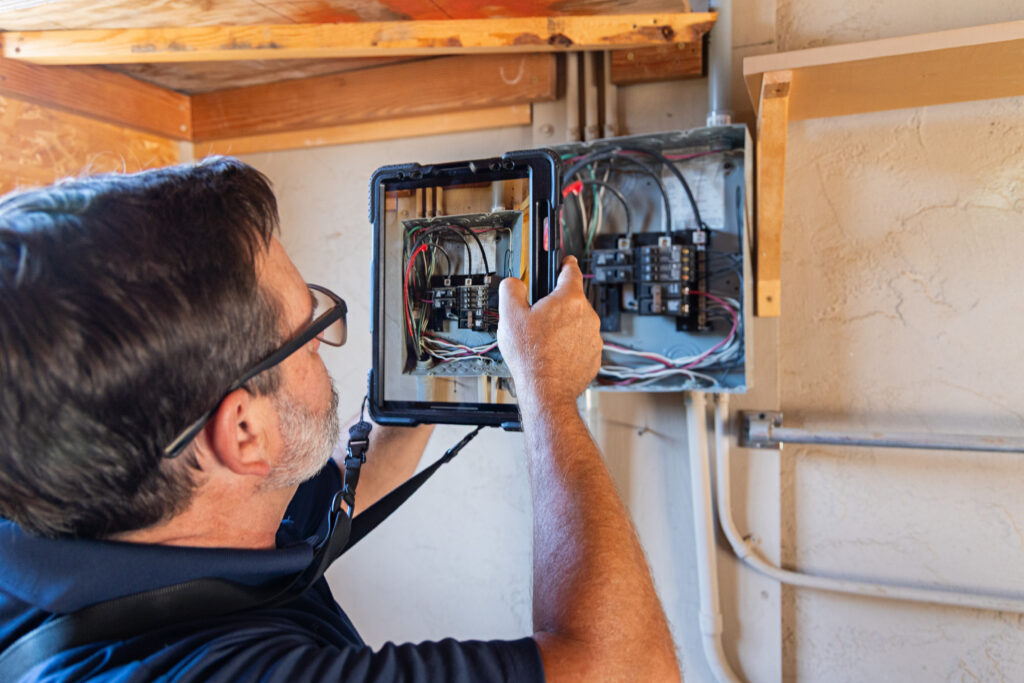
Older electrical panels may not be designed to support the electrical demands of modern homes.
Today’s households often use more electrical equipment than homes did decades ago, including:
- HVAC systems.
- Electric water heaters.
- Electric vehicle chargers.
- Space heaters.
- Kitchen appliances.
- Computers and electronics.
- Laundry equipment.
- Pool equipment.
An older panel may have limited capacity or insufficient space for additional circuits.
Signs Your Electrical Panel May Need Attention
Look for:
- Frequently tripping breakers.
- A fuse box instead of a circuit breaker panel.
- Limited space for additional circuits.
- Flickering lights.
- Burning odors.
- Buzzing sounds.
- Warm panel surfaces.
- Visible corrosion.
- An electrical panel that has not been evaluated in many years.
Not every older electrical panel needs replacement simply because of its age. However, outdated equipment, known safety concerns, damage, and inadequate capacity should be evaluated by a licensed electrician.
Never remove the electrical panel cover to inspect internal components yourself.
12. Loose or Damaged Electrical Switches
Light switches should operate consistently without unusual noises, excessive movement, or heat.
A switch that feels loose, becomes warm, makes buzzing sounds, or works intermittently may have a damaged component or loose connection.
Warning signs include:
- Switches that move excessively.
- Crackling sounds.
- Flickering lights when operating a switch.
- Warm switch covers.
- Discoloration.
- Switches that fail to operate consistently.
Damaged switches should be replaced or repaired by a qualified electrician.
Avoid using switches that show signs of overheating or electrical damage.
13. Burning Smells or Electrical Problems After a Storm
Severe storms can damage electrical equipment, service lines, outdoor wiring, and electrical connections.
After heavy rain, strong winds, or lightning, inspect your property from a safe distance for visible signs of electrical damage.
Watch for:
- Fallen power lines.
- Damaged electrical service equipment.
- Water entering electrical components.
- Flickering lights.
- Repeatedly tripping breakers.
- Burning odors.
- Damaged outdoor outlets.
- Electrical equipment that has been submerged.
Never approach a fallen power line. Assume it is energized and keep your distance. Contact your utility company and emergency services when necessary.
If your home experiences unusual electrical behavior following a storm, have the electrical system inspected before continuing to use affected equipment.
14. Your Electrical System Cannot Keep Up With Your Home
If your home regularly experiences electrical problems when several appliances are operating, your electrical system may need to be evaluated.
Examples include:
- Breakers tripping when appliances run simultaneously.
- Lights dimming when the HVAC system starts.
- Limited outlets in frequently used rooms.
- Heavy reliance on extension cords.
- Difficulty adding new appliances.
- No available circuits for planned renovations.
These issues may indicate that your electrical system needs additional circuits, improved distribution, or an electrical panel upgrade.
A licensed electrician can evaluate your electrical load, panel capacity, wiring, and the requirements of new equipment.
What Should You Do During an Electrical Emergency?
If you notice smoke, flames, significant sparking, or a strong burning odor associated with electrical equipment, treat the situation seriously.
Follow These Safety Steps
- Stop using the affected electrical equipment.
- Do not touch damaged, hot, wet, or sparking equipment.
- Keep people and pets away from the affected area.
- If there is smoke or fire, leave the home immediately.
- Call 911 from a safe location if there is an emergency.
- Contact your utility company or a licensed electrician when appropriate.
Never use water to extinguish an electrical fire.
Do not attempt to remove electrical panel covers, repair wiring, or investigate electrical problems while equipment is energized.
When Should You Call an Electrician?
Some electrical problems require immediate attention, while others should be evaluated before they become more serious.
Contact a licensed electrician if you experience:
- Repeatedly tripping breakers.
- Burning odors.
- Hot or discolored outlets.
- Buzzing or crackling electrical sounds.
- Persistent flickering lights.
- Sparking outlets or switches.
- Electrical shocks or tingling.
- Intermittently working outlets.
- Damaged electrical wiring.
- Water intrusion near electrical equipment.
- An outdated electrical panel.
- Electrical problems following a storm.
If the problem involves smoke, fire, fallen power lines, or an immediate safety hazard, leave the area and contact emergency services or your utility company as appropriate.
How Much Does Electrical Repair Cost?
Electrical repair costs depend on the type of problem, its severity, the accessibility of the affected wiring, and the materials and labor required.
Common cost factors include:
- Outlet or switch replacement.
- Circuit breaker replacement.
- Wiring repairs.
- Troubleshooting electrical faults.
- GFCI installation or replacement.
- Additional circuit installation.
- Electrical panel repairs.
- Electrical panel upgrades.
- Repairs involving damaged electrical equipment.
Minor repairs may be relatively straightforward, while problems involving concealed wiring, extensive damage, or panel upgrades may require more extensive work.
Electrical problems should be properly diagnosed before repairs are performed. If you notice warning signs, addressing the issue early may help prevent more extensive damage or safety hazards.
Electrical Safety Tips for Homeowners
Preventive maintenance can help reduce the risk of electrical problems throughout your home.
Keep these tips in mind:
- Avoid overloading outlets and circuits.
- Replace damaged cords and electrical equipment.
- Keep electrical equipment away from water.
- Use extension cords only when appropriate.
- Avoid plugging space heaters into extension cords or power strips.
- Test GFCI outlets according to manufacturer instructions.
- Do not ignore repeatedly tripping breakers.
- Keep electrical panels accessible.
- Schedule inspections when purchasing an older home or planning renovations.
- Have electrical repairs performed by qualified professionals.
- Install and maintain smoke alarms.
- Consider having your electrical system evaluated if your home has experienced repeated problems.
Routine attention to your electrical system can help identify potential hazards before they become emergencies.
Why Electrical Safety Matters for South Jersey Homeowners
Homes throughout South Jersey experience seasonal temperature changes, storms, humidity, and increased electrical demand during certain times of the year.
During winter, homeowners may use additional heating equipment, electric space heaters, holiday lighting, and other appliances that increase electrical demand.
Older homes in Hammonton, Atco, Waterford, Berlin, and surrounding communities may also have outdated wiring, older electrical panels, or limited circuit capacity.
Whether you live in an older home or a newer property, recognizing electrical warning signs and addressing problems promptly can help protect your household.
Electrical issues should never be ignored simply because the lights are still working or the problem appears intermittent.
Frequently Asked Questions
What is the most dangerous electrical problem in a home?
Electrical problems involving burning odors, smoke, sparking, exposed wiring, overheating equipment, or electrical shocks can pose serious hazards. These warning signs should be addressed immediately, and emergency services should be contacted if there is an immediate danger.
Are flickering lights a sign of an electrical problem?
They can be. Flickering may result from a loose bulb, faulty switch, loose wiring connection, overloaded circuit, or electrical service problem. Persistent or widespread flickering should be evaluated by a licensed electrician.
Why does my circuit breaker keep tripping?
Breakers may trip because of overloaded circuits, short circuits, ground faults, faulty appliances, or damaged wiring. Repeated breaker trips should not be ignored or continually reset without identifying the cause.
Is a warm electrical outlet dangerous?
An outlet that feels unusually warm or hot may indicate an electrical problem. Discoloration, burning odors, melted plastic, or sparks are especially concerning. Stop using the outlet and have it inspected.
What does a buzzing electrical outlet mean?
Buzzing may indicate a loose connection, electrical arcing, a faulty outlet, or another electrical problem. If buzzing is accompanied by heat, flickering, or burning smells, stop using the outlet and contact an electrician.
Can electrical problems cause house fires?
Yes. Faulty wiring, overloaded circuits, loose connections, damaged electrical equipment, and electrical arcing can create conditions that lead to fires.
Should I reset a breaker that keeps tripping?
If a breaker trips repeatedly, do not continually reset it. Stop using the affected circuit and have the underlying problem evaluated by a licensed electrician.
When should I upgrade my electrical panel?
An electrical panel upgrade may be worth considering if your panel has inadequate capacity, limited circuit space, outdated or unsafe equipment, recurring electrical problems, or cannot support planned appliances or renovations. A licensed electrician can evaluate whether an upgrade is necessary.
Final Thoughts

Electrical problems should never be ignored, especially when they involve burning smells, hot outlets, repeated breaker trips, flickering lights, buzzing sounds, sparks, or electrical shocks.
While some electrical issues may initially appear minor, they can indicate underlying problems that could affect your home’s safety and electrical system.
Recognizing warning signs early, avoiding unsafe DIY repairs, and contacting a licensed electrician when necessary can help prevent electrical damage and reduce the risk of serious hazards.
If your home needs electrical repairs, troubleshooting, an electrical inspection, or an electrical panel upgrade, WYNNOW is here to help you manage your home service and improvement needs throughout South Jersey. Also if you found this blog informative, please be sure to check us out on Facebook, Instagram and X!