

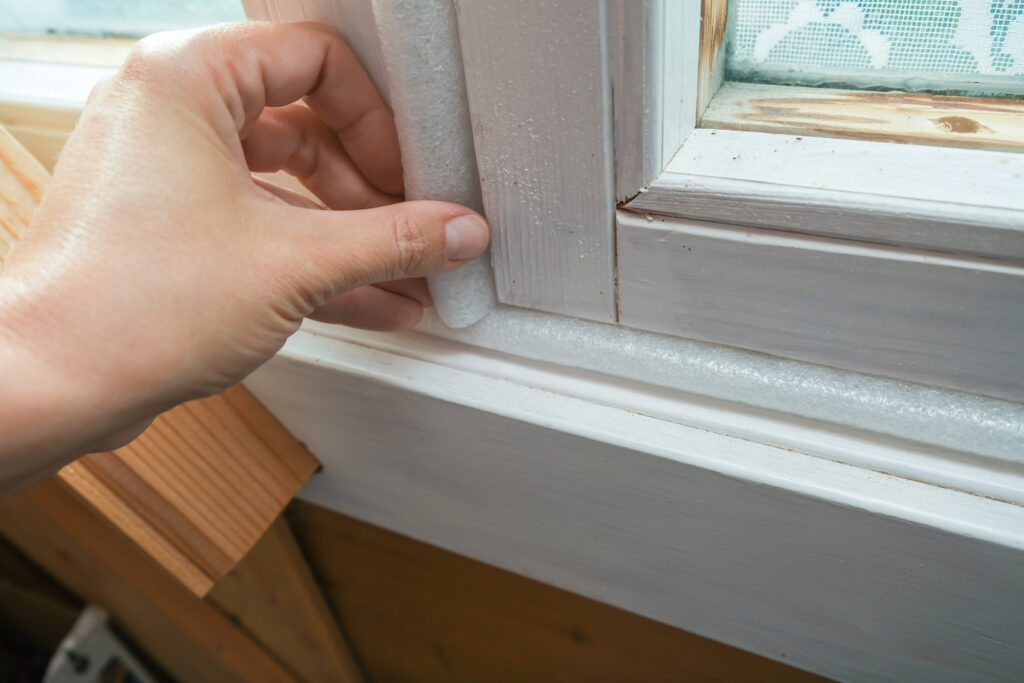
As temperatures drop during the fall and winter months, cold air entering your home can make certain rooms uncomfortable, increase heating costs, and make your HVAC system work harder than necessary. Even when your furnace is running properly, drafts around windows, doors, and other openings can allow warm air to escape and cold air to enter.
Finding and sealing drafts is one of the simplest ways to improve your home’s comfort and energy efficiency during colder weather. Many drafts come from small gaps that are easy to overlook, especially around older windows, exterior doors, electrical outlets, attic openings, and plumbing penetrations.
Whether you live in an older home or a newer property, knowing how to find drafts around your home can help you identify areas where heat is being lost and determine which repairs may be needed before winter arrives.
Why Is It Important to Find Drafts Around Your Home?
Drafts can affect your home in several ways. When cold air enters through openings and warm air escapes, your heating system must work harder to maintain the temperature set on your thermostat.
Over time, this can contribute to higher energy bills, uneven temperatures, and unnecessary wear on your heating equipment.
Finding and sealing drafts in your home can help:
- Reduce heat loss during winter.
- Improve indoor comfort.
- Reduce cold spots throughout your home.
- Help lower heating costs.
- Reduce the workload on your HVAC system.
- Prevent cold air from entering through gaps and cracks.
- Improve your home’s overall energy efficiency.
Small air leaks may not seem like a major problem individually. However, several openings throughout your home can add up to significant heat loss.
1. Check Around Windows for Cold Air
Windows are one of the most common places where homeowners notice drafts during colder weather.
Over time, window seals, weatherstripping, caulking, and surrounding materials can deteriorate. Older windows may also have gaps between the frame and the wall that allow outside air to enter.
Signs Your Windows May Have Drafts
Look for:
- Cold air near the window frame.
- Curtains moving when the window is closed.
- Condensation forming between or around window panes.
- Cracked or missing caulk.
- Loose or damaged weatherstripping.
- Windows that do not close tightly.
- Noticeably colder temperatures near certain windows.
Pay particular attention to the corners of window frames, the bottom of the window, and areas where the frame meets the surrounding wall.
How to Check for Window Drafts
On a cold or windy day, slowly move your hand around the edges of a closed window.
Feel for air movement near the frame, sash, and window trim. You may also use a flashlight to help identify visible gaps.
If you notice air entering around the window, inspect the weatherstripping and caulking. Minor gaps may be addressed with appropriate sealants, while damaged window components may require repairs or replacement.
2. Inspect Exterior Doors
Exterior doors are another major source of drafts, particularly when weatherstripping becomes worn or the door no longer closes tightly against the frame.
Even a small gap beneath a door can allow a noticeable amount of cold air into your home.
Common Signs of Door Drafts
Check for:
- Cold air entering around the edges.
- Light visible beneath the door.
- Loose or damaged weatherstripping.
- A worn door sweep.
- Doors that do not close or latch properly.
- Gaps between the door frame and surrounding wall.
- Cold floors near exterior entrances.
How to Find Drafts Around Doors In Your Home
Close the door and inspect the entire perimeter.
Pay attention to the bottom edge, side jambs, and top of the frame. If you feel cold air entering, the weatherstripping may no longer create a proper seal.
A door sweep can help block air entering beneath the door. Replacing damaged weatherstripping may also improve the seal.
If the door is warped, improperly installed, or has gaps around the frame, additional repairs may be necessary.
3. Check Electrical Outlets and Switches on Exterior Walls
Electrical outlets and switches located on exterior walls can sometimes allow cold air to enter your home.
Air may travel through gaps around electrical boxes or through openings in the wall that were not properly sealed during construction.
This is especially noticeable in older homes or properties with limited insulation.
Signs of Drafts Around Electrical Outlets
You may notice:
- Cold air coming from outlets.
- Cold wall surfaces around switches.
- Drafts near outlet covers.
- Rooms that feel colder along exterior walls.
To check, carefully feel around the edges of outlet and switch covers.
If air is entering, specialized foam gaskets designed for electrical outlets and switches may help reduce drafts.
Always turn off power to the circuit before removing outlet or switch covers. Never insert objects into outlets or attempt to seal electrical components with ordinary foam, caulk, or other materials that are not intended for electrical use.
If you suspect air is entering through wiring openings or larger wall cavities, an electrician or insulation professional may be able to identify the source and recommend a safe solution.
4. Look for Drafts Around Baseboards
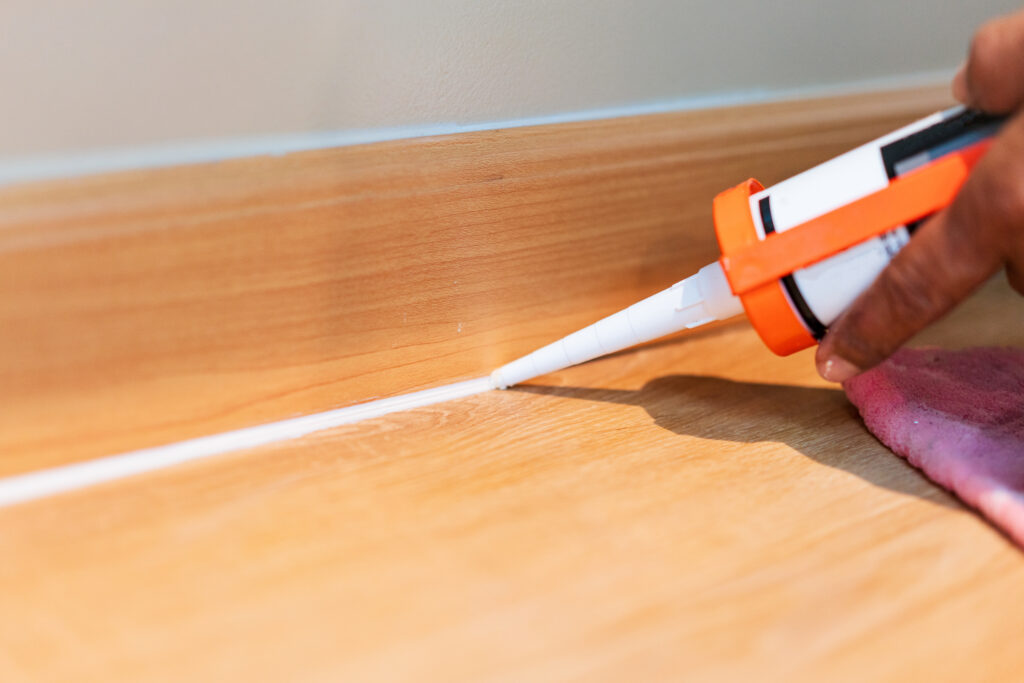
Baseboards can sometimes reveal gaps between the flooring, wall, and surrounding construction.
Cold air may enter through openings along exterior walls, particularly where flooring materials meet the wall or where older construction has developed gaps.
Check for:
- Visible gaps between baseboards and flooring.
- Cracked caulk along trim.
- Cold air near the bottom of exterior walls.
- Drafts near corners.
- Gaps around floor transitions.
If you notice air entering along the baseboards, inspect the surrounding area to determine whether the gap is cosmetic or connected to a larger air leak.
Appropriate caulking may help seal small gaps. Larger openings may require additional insulation or repairs to the underlying structure.
5. Inspect Your Attic for Air Leaks
Your attic is one of the most important areas to check when finding drafts around your home.
Warm air naturally rises, and openings between the living space and attic can allow heated air to escape. This can increase heating costs and contribute to uneven temperatures throughout your home.
Common Attic Air Leak Locations
Look around:
- Attic access doors and pull-down stairs.
- Recessed lighting.
- Plumbing vent penetrations.
- Electrical wiring openings.
- Chimneys and flues.
- Bathroom exhaust fans.
- Ductwork.
- Gaps around walls and ceiling openings.
Signs of Attic Air Leaks
Look for:
- Insulation that appears disturbed or displaced.
- Gaps around penetrations.
- Frost or moisture during extremely cold weather.
- Darkened areas around openings.
- Cold ceilings near attic access points.
- Rooms that are difficult to keep warm.
An attic access hatch can be a particularly common source of heat loss if it is not properly insulated and sealed.
Weatherstripping and insulation designed for attic access openings may help reduce air leakage.
Air sealing around chimneys, flues, and other heat-producing equipment requires appropriate materials and clearances. Do not use ordinary foam products near hot surfaces or improperly seal ventilation openings.
6. Check Your Basement and Crawl Space
Basements and crawl spaces can allow cold air to enter through foundation openings, rim joists, utility penetrations, and other gaps.
These areas may also contribute to cold floors throughout the home.
Where to Find Drafts Around Your Home
Inspect:
- Rim joists along the top of foundation walls.
- Basement windows.
- Exterior doors.
- Plumbing penetrations.
- Electrical wiring openings.
- Gaps around utility pipes.
- Crawl space access doors.
- Foundation cracks.
Cold air entering through the basement or crawl space can travel upward through the home, especially when openings connect these areas to the living space.
Why Rim Joists Matter
Rim joists are located along the perimeter of the floor framing above the foundation. Gaps or inadequate insulation in these areas can allow outside air to enter.
Proper air sealing and insulation may help improve comfort and reduce heat loss.
If you notice significant foundation cracks, water intrusion, or moisture problems, have the area evaluated before sealing everything. Some openings may be related to drainage, ventilation, or other building concerns that need to be addressed first.
7. Look for Drafts Around Plumbing Pipes
Plumbing pipes that pass through exterior walls, floors, and foundations can create openings that allow outside air into your home.
These gaps may be particularly noticeable around:
- Water supply lines.
- Drain pipes.
- Exterior hose connections.
- Pipes entering basements.
- Plumbing beneath kitchen and bathroom sinks.
Check around pipe penetrations for visible openings or cold air.
Small gaps may be sealed with materials appropriate for the location and the type of pipe. Larger openings may require additional insulation or professional air sealing.
During winter, sealing drafts around plumbing can also help reduce the exposure of pipes to freezing temperatures, particularly in areas near exterior walls.
8. Inspect Your Fireplace and Chimney
Fireplaces can be a significant source of heat loss when they are not in use.
An open fireplace damper may allow warm air to escape through the chimney while cold air enters the home.
Signs Your Fireplace May Be Causing Drafts
Look for:
- Cold air entering through the fireplace opening.
- A noticeable draft near the hearth.
- A damper that does not close properly.
- Damaged seals around fireplace doors.
- Cold air entering around the fireplace structure.
When your fireplace is not being used, make sure the damper is closed if it is safe and appropriate to do so.
Never close a damper when a fire is burning or when hot embers remain. If you have a gas fireplace, follow the manufacturer’s instructions regarding the damper and ventilation.
If the damper is damaged or you suspect a chimney problem, have it inspected by a qualified chimney professional.
9. Check Garage Doors and Entry Points
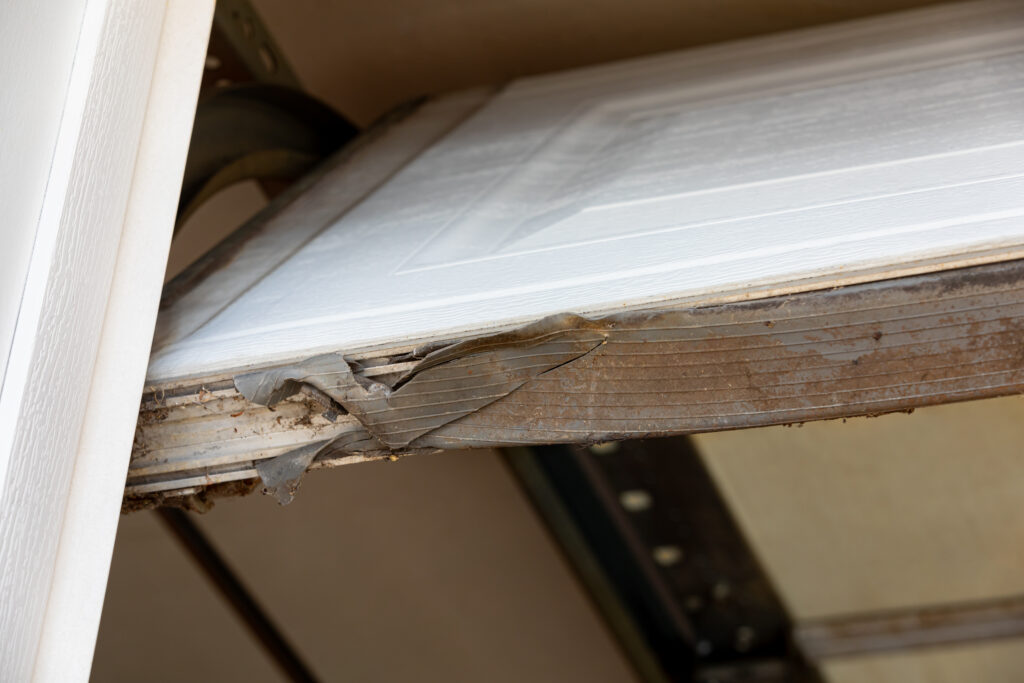
Attached garages can allow cold air to enter areas of your home, particularly when the garage door has poor seals or the connecting door is not properly weatherstripped.
Inspect your garage door for:
- Worn bottom seals.
- Gaps along the sides.
- Damaged weatherstripping.
- Visible openings between panels.
- Air entering around the door frame.
Also check the door connecting your garage to your home.
A properly sealed door can help prevent cold air from entering your living space and reduce the transfer of garage air into your home.
If your garage is attached, make sure the door between the garage and house closes tightly and that its weatherstripping is in good condition.
10. Use Simple Methods to Detect Drafts
You do not always need specialized equipment to find drafts around your home. Several simple methods can help identify areas where air is entering.
The Hand Test
On a cold day, slowly move your hand around windows, doors, outlets, baseboards, and other potential openings.
Cold air movement may be noticeable around gaps or poorly sealed areas.
The Flashlight Test
In a darkened room, have someone shine a flashlight around the outside of a closed door or window while you look for light entering through gaps.
Visible light may reveal openings that need weatherstripping or sealing.
The Incense or Smoke Test
A smoke pencil or incense stick can sometimes help identify air movement near suspected leaks.
Watch how the smoke moves around window frames, doors, and other openings.
Use caution with open flames and burning materials. Keep them away from curtains, furniture, combustible materials, pets, and children. Do not use smoke near smoke detectors in a way that could trigger an alarm, and avoid this method around gas appliances or other potential ignition hazards.
The Professional Energy Audit
If you cannot identify the source of drafts or suspect air leakage throughout your home, a professional energy audit may be worthwhile.
Energy professionals may use specialized equipment, including blower doors and infrared cameras, to identify air leakage and areas with inadequate insulation.
These inspections can help homeowners prioritize improvements based on the locations and severity of heat loss.
11. How to Seal Drafts Around Your Home
Once you identify where cold air is entering, the next step is determining how to seal the openings.
The appropriate repair depends on the location, size of the gap, and materials involved.
Common Draft-Sealing Solutions
Weatherstripping: Useful around movable components such as exterior doors and operable windows.
Caulking: Appropriate for many small, stationary gaps around window trim, door frames, and other building materials.
Door sweeps: Help reduce air entering beneath exterior doors.
Outlet and switch gaskets: Designed to reduce air leakage around electrical boxes on exterior walls.
Insulation: Helps reduce heat loss in attics, basements, crawl spaces, walls, and other areas.
Air sealing: Addresses openings around plumbing, wiring, framing, and building penetrations.
Do Not Seal Every Opening
Some openings in your home are intentional and necessary for ventilation, drainage, or the safe operation of appliances.
Do not seal:
- Combustion air openings.
- Required ventilation openings.
- Dryer vents.
- Bathroom exhaust vents.
- Furnace or water heater exhaust vents.
- Chimney openings when appliances are operating.
- Weep holes designed for drainage.
If you are unsure whether an opening is an air leak or a necessary ventilation feature, have it evaluated before sealing it.
12. Signs Your Home May Need More Than Simple Draft Sealing
Some draft problems may be caused by larger issues involving insulation, windows, doors, HVAC systems, or the home’s construction.
Consider a professional evaluation if you notice:
- Persistent cold rooms despite sealing visible gaps.
- Significant temperature differences between floors.
- Heating bills that continue to increase.
- Excessive condensation on windows.
- Ice forming around window frames.
- Cold floors throughout the home.
- Drafts coming from multiple locations.
- Heating equipment running constantly.
- Moisture or mold-like growth near suspected air leaks.
In some cases, sealing a few gaps may solve the problem. In others, improving insulation, replacing damaged windows, repairing exterior doors, or addressing HVAC airflow may be necessary.
How Much Does It Cost to Fix Drafts Around a Home?
The cost of draft repairs depends on the number of leaks, their locations, accessibility, and the materials or improvements required.
Some minor repairs are relatively inexpensive, while larger air-sealing or insulation projects may require professional labor.
Common cost factors include:
- Window and door weatherstripping.
- Caulking and sealant materials.
- Door sweep replacement.
- Outlet and switch gasket installation.
- Attic insulation improvements.
- Basement or crawl space insulation.
- Air sealing around utility penetrations.
- Window or door repairs and replacements.
- Professional energy audits.
Addressing small drafts early may help reduce the need for more extensive repairs later. If you are experiencing widespread heat loss, an energy audit can help determine which improvements are likely to provide the greatest benefit.
Why Drafts Are Common in South Jersey Homes
Homes throughout South Jersey experience seasonal temperature changes, winter winds, freezing temperatures, and periods of heavy precipitation.
Older homes in Hammonton, Folsom, Waterford, and surrounding communities may have original windows, aging weatherstripping, older insulation, or gaps that developed over time.
Even newer homes can experience drafts caused by settling, construction gaps, worn seals, or areas where insulation was not installed properly.
Homes with attached garages, basements, crawl spaces, and attic access openings may have additional areas where cold air can enter.
Finding and addressing these openings before winter can help improve indoor comfort and make your heating system work more efficiently throughout the colder months.
Frequently Asked Questions
How can I tell if my house has drafts?
Common signs include cold air near windows and doors, uneven temperatures, moving curtains, cold floors, and heating bills that seem unusually high. You can check suspected areas using your hand, a flashlight, or a smoke pencil.
Where do most drafts come from?
Drafts commonly occur around windows, exterior doors, attic openings, electrical outlets on exterior walls, plumbing penetrations, basement rim joists, fireplaces, and garage entry doors.
Can drafts make my heating bill higher?
Yes. Drafts allow heated air to escape and cold air to enter, which can increase the workload on your heating system. Sealing air leaks may help reduce energy consumption and improve comfort.
Should I replace my windows to stop drafts?
Not always. Many window drafts can be addressed by replacing weatherstripping, repairing seals, or sealing gaps around the frame. Window replacement may be worth considering if the windows are damaged, inefficient, or no longer operate properly.
Can I use caulk to seal drafts?
Caulk is useful for many small, stationary gaps around trim and building materials. However, it should not be used on moving window or door components, ventilation openings, or areas requiring specialized materials.
Why is one room colder than the rest of my house?
A cold room may have drafts, inadequate insulation, restricted airflow, poorly sealed windows, or other HVAC issues. If sealing visible gaps does not improve comfort, have the room evaluated for insulation and heating problems.
Can drafts cause pipes to freeze?
Yes. Cold air entering near plumbing pipes, particularly those located in exterior walls, crawl spaces, garages, or basements, can increase the risk of freezing during extremely cold weather.
Is a professional energy audit worth it?
An energy audit may be worthwhile if your home has persistent drafts, uneven heating, high energy bills, or suspected insulation problems. Professional equipment can help identify hidden air leaks and prioritize improvements.
Final Thoughts

Finding drafts around your home before winter arrives can make a noticeable difference in comfort, energy efficiency, and heating costs. Checking windows, exterior doors, outlets, attic openings, basements, plumbing penetrations, and fireplaces can help identify areas where cold air is entering and warm air is escaping.
Some draft repairs are simple, such as replacing weatherstripping or sealing small gaps. Others may require additional insulation, window repairs, HVAC improvements, or professional air sealing.
Taking care of these problems before temperatures drop can help keep your home warmer and reduce unnecessary strain on your heating system throughout the winter.
If your home has persistent drafts or needs insulation, HVAC, window, door, or other home improvements, WYNNOW is here to help you manage your home service and improvement needs throughout South Jersey. Also please check us out on Facebook, Instagram and X if you found this blog helpful!