
There’s nothing worse than having your air conditioner stop working during the hottest days of summer. Unfortunately, extreme temperatures place significant stress on HVAC systems, making breakdowns more common when you need cooling the most.
Understanding why air conditioners fail in hot weather can help homeowners recognize warning signs early and potentially avoid costly repairs. Here are some of the most common reasons your AC may stop working when temperatures rise.
1. Dirty Air Filters Restrict Airflow
A clogged air filter is one of the leading causes of AC performance issues.
When airflow is restricted:
- Your system has to work harder
- Cooling efficiency drops
- Components experience additional strain
- Evaporator coils may freeze
Warning Signs:
- Weak airflow from vents
- Uneven cooling throughout the home
- Longer cooling cycles
- Higher utility bills
Replacing filters regularly is one of the simplest ways to keep your AC running efficiently.
2. Refrigerant Leaks
Refrigerant is essential for removing heat from your home. If your system develops a leak, cooling performance can decline rapidly—especially during periods of extreme heat.
Common Symptoms:
- Warm air coming from vents
- Ice buildup on refrigerant lines
- Hissing sounds near the unit
- Longer cooling cycles
Low refrigerant levels should always be addressed by a licensed HVAC technician.
3. Frozen Evaporator Coils
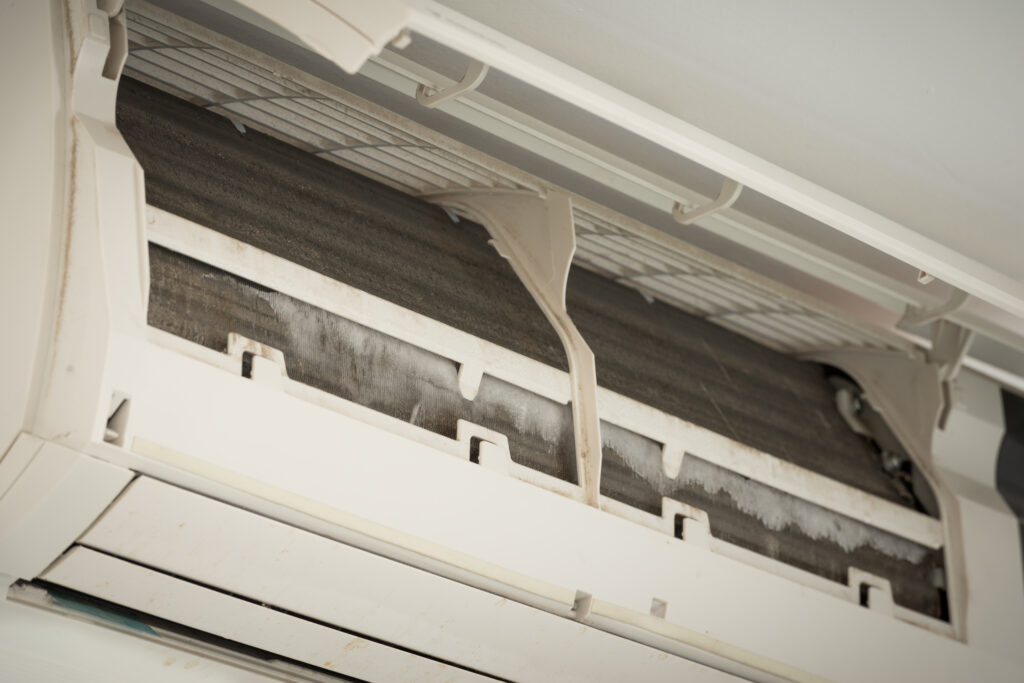
It may seem surprising, but air conditioners can freeze up even when outdoor temperatures are extremely hot.
Causes:
- Dirty filters
- Blocked airflow
- Refrigerant issues
- Dirty evaporator coils
Signs:
- Ice on indoor components
- Weak airflow
- Reduced cooling performance
If your system freezes, turn off the cooling function and contact a professional to diagnose the underlying issue.
4. Dirty Outdoor Condenser Unit
Your outdoor condenser releases heat collected from inside your home. During summer, it works especially hard to keep up with cooling demands.
Problems occur when:
- Grass clippings accumulate around the unit
- Leaves or debris block airflow
- Condenser coils become dirty
Restricted airflow prevents heat from being released effectively, reducing your system’s ability to cool your home.
Maintenance Tip:
Keep at least two feet of clearance around your outdoor unit.
5. Electrical Component Failures
Hot weather can expose weaknesses in electrical components that have already experienced years of wear and tear.
Potential failures include:
- Capacitors
- Contactors
- Wiring connections
- Circuit breakers
Warning Signs:
- AC won’t start
- Frequent system shutdowns
- Clicking sounds
- Tripped breakers
Electrical issues should always be inspected by a qualified technician.
6. Thermostat Problems

Sometimes the issue isn’t the air conditioner itself.
A faulty thermostat can:
- Send incorrect temperature readings
- Prevent cooling cycles from starting
- Cause the system to run continuously
Check:
- Thermostat batteries
- Temperature settings
- Proper cooling mode selection
Simple thermostat issues can sometimes mimic major HVAC problems.
7. Overworked HVAC Systems
Many air conditioners are designed to maintain comfort—not rapidly cool a home during extreme heat.
When temperatures climb into the 90s:
- Cooling cycles become longer
- Systems may run continuously
- Older units struggle to keep up
This doesn’t always mean something is broken, but it may indicate the system is under significant stress or nearing the end of its lifespan.
8. Aging Equipment
Most central air conditioning systems last approximately 10–15 years with proper maintenance.
As systems age:
- Efficiency declines
- Repairs become more frequent
- Components wear out
- Cooling capacity decreases
If your AC repeatedly struggles during hot weather, it may be time to evaluate replacement options.
How to Reduce the Risk of Summer AC Breakdowns
Homeowners can improve reliability by:
- Changing filters regularly
- Scheduling annual HVAC maintenance
- Keeping outdoor units clear of debris
- Monitoring unusual sounds or performance changes
- Addressing small issues before they become major repairs
Preventive maintenance remains one of the most effective ways to avoid emergency service calls during peak summer heat.
AC Repair and Maintenance in South Jersey
Summer temperatures and humidity can put heavy demands on HVAC systems throughout South Jersey, including:
- Williamstown
- Shamong
- Tabernacle
- Folsom
- Buena
- Hammonton
- Surrounding communities
Whether your AC is struggling to keep up or has stopped working completely, prompt service can help restore comfort and prevent further damage.
Final Thoughts

Hot weather doesn’t necessarily cause your AC to stop working—but it often exposes existing problems that may have gone unnoticed during milder temperatures.
From dirty filters and refrigerant leaks to electrical failures and aging equipment, many AC issues can be prevented or minimized with regular maintenance and early intervention.
If your air conditioner is struggling during a heatwave, addressing the problem quickly can help you avoid more expensive repairs and stay comfortable all summer long. WYNNOW provides professional AC repair, maintenance, and installation services throughout South Jersey, helping homeowners keep their cooling systems running efficiently when temperatures are at their highest. If you found this blog helpful, please be sure to check us out on Facebook, Instagram and X!