

When winter temperatures drop, frozen pipes become a serious concern for homeowners. Even a short period of extreme cold can cause exposed or poorly insulated plumbing to freeze. If the water inside a pipe freezes, it expands and creates pressure that can eventually cause the pipe to crack or burst.
A burst pipe can release hundreds of gallons of water into your home, damaging floors, walls, ceilings, insulation, furniture, and personal belongings. In many cases, the damage isn’t discovered until the ice begins to thaw and water starts flowing through the damaged pipe.
Fortunately, taking a few preventative steps before winter arrives can significantly reduce the risk of frozen plumbing. Insulating exposed pipes, sealing drafts, maintaining indoor temperatures, and protecting outdoor faucets can help keep your plumbing system working throughout the coldest months.
In this guide, we’ll explain how to prevent frozen pipes this winter, which areas of your home are most vulnerable, what to do during extreme cold, and how to recognize the warning signs of frozen plumbing.
Why Do Pipes Freeze During Winter?
Water freezes when temperatures reach 32°F (0°C), but pipes can become vulnerable even when outdoor temperatures are slightly above freezing.
Pipes located in unheated or poorly insulated areas are particularly susceptible because they are exposed to colder air than the rest of your home.
When water freezes inside a pipe, it expands. This expansion increases pressure inside the plumbing system. The pressure can eventually damage the pipe, fittings, or connections.
Interestingly, the pipe doesn’t always burst at the exact location where the ice forms. Pressure can build between the frozen section and a closed faucet, causing a break elsewhere in the plumbing line.
Common conditions that increase the risk of frozen pipes include:
- Extended periods of below-freezing temperatures
- Poor insulation around plumbing
- Cold air entering through gaps and cracks
- Pipes located in exterior walls
- Unheated basements, crawl spaces, and garages
- Vacant homes with little or no heat
- Outdoor faucets and exposed water lines
Knowing where your plumbing is most vulnerable makes it easier to prepare before freezing weather arrives.
1. Insulate Exposed Water Pipes
One of the most effective ways to prevent frozen pipes is to insulate plumbing located in areas that are exposed to cold temperatures.
Pipes in basements, crawl spaces, garages, utility rooms, and unfinished areas may not receive enough heat to stay above freezing during winter.
Pipe insulation helps slow heat loss and provides an additional layer of protection when temperatures drop.
Which pipes should you insulate?
Pay particular attention to:
- Water supply lines in unheated basements
- Pipes running through crawl spaces
- Plumbing inside exterior walls
- Pipes located in garages
- Water lines near foundation walls
- Plumbing in attics or other unheated spaces
Types of pipe insulation
Several insulation options are available depending on the location and condition of your plumbing.
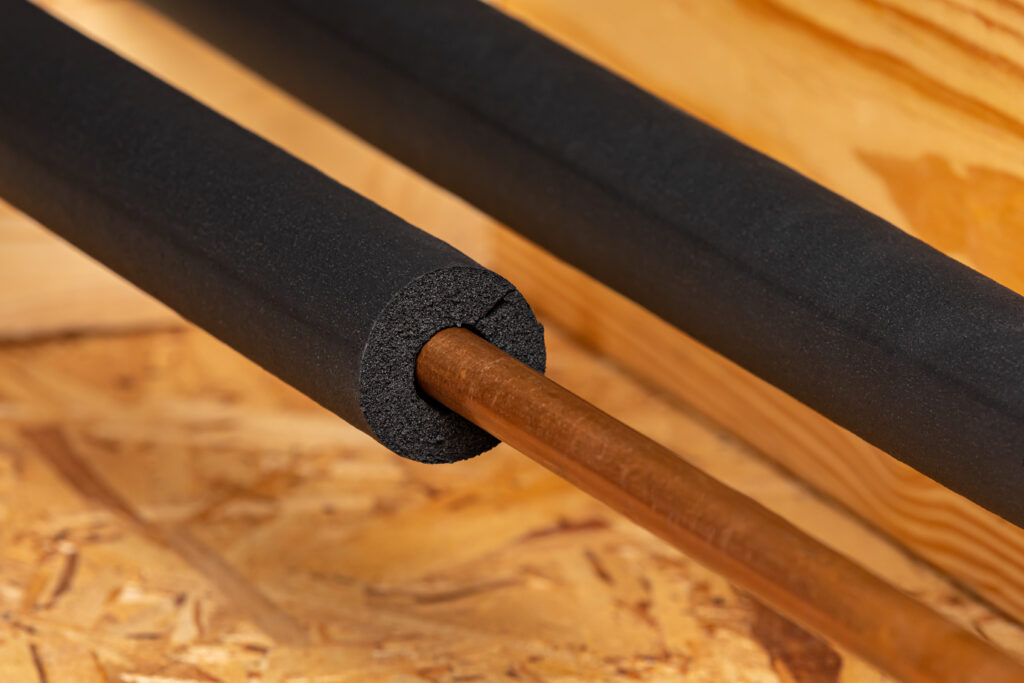
Foam pipe insulation: Pre-slit foam sleeves are easy to install around many exposed water pipes. They are commonly used in basements, garages, and utility areas.
Fiberglass insulation: Fiberglass pipe wrap can provide additional protection for certain pipe configurations, especially where foam sleeves are difficult to install. Follow the manufacturer’s installation instructions and use appropriate protective equipment.
Heat tape or heating cables: Approved heat cables can provide additional protection for vulnerable pipes in particularly cold locations. They must be installed according to the manufacturer’s instructions and applicable electrical requirements. Never use damaged or unapproved heating products.
Insulation helps slow heat loss, but it does not guarantee that pipes will never freeze. Pipes exposed to prolonged extreme cold may need additional protection.
2. Keep Your Home Warm Enough
Maintaining a consistent indoor temperature is important for protecting your plumbing during winter.
When your home becomes too cold, pipes located inside walls, cabinets, and other poorly insulated areas may be exposed to freezing conditions.
Even if you’re leaving town for several days, avoid turning your heating system completely off.
Follow these precautions:
- Keep your thermostat set to at least 55°F when away during cold weather.
- Maintain comfortable indoor temperatures during overnight cold spells.
- Avoid large temperature reductions when freezing conditions are expected.
- Make sure heating equipment is operating properly before winter arrives.
- Check that rooms containing plumbing receive adequate warmth.
The recommended minimum temperature is a general precaution, not a guarantee against frozen pipes. Homes with vulnerable plumbing, poor insulation, or unusually cold conditions may need higher settings.
If you have a vacation home or rental property, arrange for someone to periodically check the heating system and indoor conditions during extended absences.
3. Disconnect and Protect Outdoor Faucets
Outdoor faucets are among the most common places for freezing-related plumbing problems.
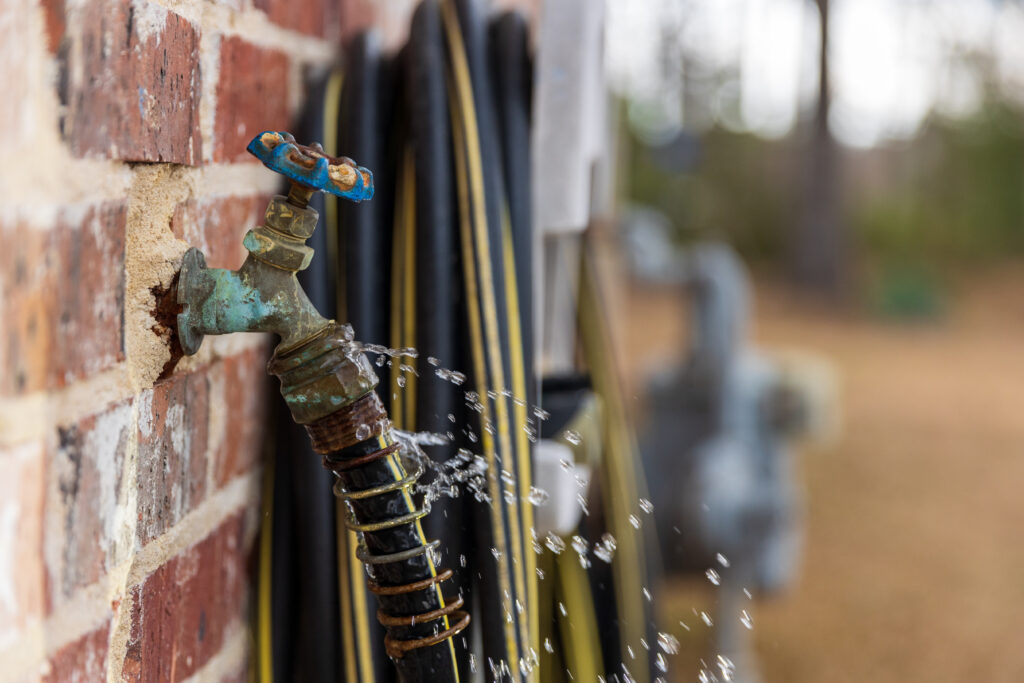
A garden hose left connected can trap water inside the faucet or connected plumbing. When temperatures drop, that water may freeze and cause damage to the faucet or the pipe leading into the house.
Before winter arrives:
- Disconnect all garden hoses.
- Drain remaining water from the hoses and store them indoors.
- Shut off interior supply valves for outdoor faucets if your plumbing has them.
- Open the exterior faucet to allow remaining water to drain.
- Install an insulated faucet cover where appropriate.
If your home has frost-free hose bibs, disconnect hoses before freezing weather. A connected hose can prevent proper drainage and increase the risk of pipes freezing.
Don’t forget other outdoor plumbing, including irrigation connections, exterior utility sinks, and water lines serving detached buildings.
4. Seal Drafts Around Pipes and Plumbing Openings

Cold air entering your home through small gaps can expose nearby pipes to freezing temperatures.
This is especially common where plumbing enters through exterior walls, floors, foundations, and utility openings.
Even a small opening can allow cold air to circulate around a water line during a prolonged cold spell.
Areas to inspect
Check for gaps around:
- Plumbing pipes entering exterior walls
- Water lines beneath kitchen and bathroom sinks
- Basement foundation openings
- Crawl space access points
- Utility penetrations
- Garage walls and doors
- Windows and exterior doors near plumbing
Use appropriate caulk, weatherstripping, or expanding foam to seal openings, depending on the location and materials involved.
Be careful not to block required ventilation openings or create problems around combustion appliances. If you’re unsure how to seal an area safely, consult a qualified professional.
5. Open Cabinet Doors During Extreme Cold
Kitchen and bathroom plumbing is sometimes located inside cabinets against exterior walls. These areas may become significantly colder than the rest of your home, especially when the cabinets are closed.
During particularly cold weather, opening cabinet doors can help warm indoor air circulate around the plumbing.
Consider doing this when:
- Temperatures are expected to remain below freezing for an extended period.
- Your kitchen sink is located against an exterior wall.
- Bathroom plumbing runs through an exterior wall.
- Pipes have frozen in the same location during previous winters.
If you have young children or pets, make sure cleaning products and other hazardous materials stored inside cabinets remain safely secured.
6. Let Faucets Drip During Severe Cold When Appropriate
Allowing a faucet to drip can help reduce the risk of freezing in certain vulnerable plumbing lines.
Moving water is generally less likely to freeze than standing water under the same conditions. A small, steady trickle can also relieve pressure if ice begins forming inside a pipe.
However, dripping faucets are not a substitute for proper insulation or maintaining indoor heat.
If your home has pipes that have frozen previously, or plumbing located in an especially cold area, a small drip may provide additional protection during severe cold.
A few things to remember:
- Use a small, steady trickle rather than running the faucet heavily.
- Choose a faucet supplied by the vulnerable plumbing line.
- If both hot and cold lines are at risk, follow plumbing guidance for your specific setup.
- Make sure the drain is clear and able to handle the water.
- Continue monitoring the area for signs of freezing.
If a faucet stops producing water or pressure suddenly drops during freezing weather, treat it as a possible frozen pipe rather than assuming the faucet is simply malfunctioning.
7. Protect Pipes in Basements, Crawl Spaces, and Garages
Unheated areas are especially vulnerable because they may not receive the same warmth as the living spaces in your home.
Basements, crawl spaces, and garages can experience significant temperature drops during winter, particularly when insulation is limited or cold air enters through gaps.
Basement plumbing
Inspect exposed water lines along foundation walls, near windows, and around basement utility areas. Insulate vulnerable pipes and seal drafts around openings.
If your basement has a history of moisture problems, address those issues as well. Damp insulation can lose effectiveness, and moisture can contribute to deterioration around plumbing.
Crawl spaces
Crawl spaces can expose plumbing to cold air from outside, especially if insulation or air sealing is inadequate.
Check that insulation is properly installed and that the space is protected from unwanted drafts. Any crawl space ventilation changes should be evaluated carefully to avoid moisture and building-code problems.
Garages
Water lines running through attached garages can freeze when the garage becomes extremely cold.
Keep garage doors closed during freezing weather and insulate vulnerable pipes. If plumbing is located near an exterior garage wall, consider whether additional insulation or professional modifications are needed.
8. Prepare Your Plumbing Before Leaving for Vacation
Leaving your home unoccupied during winter increases the risk of frozen pipes going unnoticed.
If a pipe freezes and bursts while nobody is home, water may continue flowing for hours or even days before the damage is discovered.
Before leaving for an extended period:
- Keep your heating system operating.
- Set the thermostat to at least 55°F as a general precaution.
- Insulate exposed plumbing.
- Disconnect outdoor hoses.
- Check for leaks around sinks, toilets, and water heaters.
- Ask someone to periodically check the property.
- Know where your main water shutoff valve is located.
For longer absences, consider having a plumber evaluate whether shutting off the main water supply and draining portions of the plumbing system is appropriate for your home.
Simply turning off the main water valve does not automatically protect every pipe. Water can remain trapped in plumbing lines, and heating and drainage considerations still matter.
If you own a rental property or seasonal home, make sure someone is responsible for monitoring the property during freezing weather.
9. Know Where Your Main Water Shutoff Valve Is Located
If a pipe freezes and bursts, shutting off the main water supply can help limit the amount of water released into your home.
Every homeowner should know where the main shutoff valve is located and how to operate it.
Common locations include:
- Near where the main water line enters the home
- In a basement utility area
- In a crawl space
- Near a water meter
- Inside a designated utility closet
Make sure the valve is accessible and not blocked by stored belongings.
If you’re unfamiliar with the valve, locate it before winter and learn how it operates. Don’t force a valve that is stuck or corroded, as doing so could cause it to leak or break.
If you cannot identify the main shutoff or the valve appears damaged, a plumber can help inspect or replace it.
What Are the Warning Signs of Frozen Pipes?
Frozen pipes don’t always burst immediately. In some cases, you may notice changes in water flow before any visible damage occurs.
Watch for these warning signs:
Reduced water pressure: If water suddenly flows more slowly from a faucet during freezing weather, ice may be forming inside the supply line.
No water from a faucet: A faucet that stops producing water may be connected to a frozen pipe.
Unusual sounds: Banging, gurgling, or other unexpected noises may indicate a plumbing problem. These sounds are not proof of frozen pipes, but they should be investigated.
Frost on exposed pipes: Visible frost or ice on a pipe is a clear warning that the line is exposed to freezing conditions.
Unusual odors: A blocked or frozen drain line may sometimes cause odors to become noticeable, although other plumbing issues can cause similar symptoms.
Visible leaks or water stains: If a pipe has cracked, you may notice moisture, dripping, or water stains once the ice begins to thaw.
If you suspect a frozen pipe, act promptly. A frozen pipe can develop a crack that remains unnoticed until water starts flowing again.
What Should You Do If Your Pipes Freeze?
If you suspect a pipe has frozen, avoid using excessive force or trying to thaw it with unsafe heating methods.
Start by identifying the affected plumbing line and checking for visible leaks.
Steps to take
- Keep the faucet open: If water flow is reduced or stopped, open the affected faucet slightly. This can help relieve pressure as the ice melts.
- Locate the frozen section: Check exposed plumbing in basements, garages, crawl spaces, and beneath sinks.
- Check for leaks: Look for cracks, bulging, or water around the pipe and nearby connections.
- Apply gentle heat if safe: If the frozen section is accessible and there are no signs of damage, a hair dryer or warm towels may be used to gradually warm the pipe.
- Work gradually: Begin warming the pipe near the faucet and move toward the colder section.
- Monitor the pipe: Watch carefully for leaks as water begins flowing again.
What should you never do?
Never use an open flame, blowtorch, propane heater, or other high-temperature device to thaw frozen pipes. These methods can damage plumbing, ignite nearby materials, or create a fire hazard.
Do not use electrical heating equipment in areas where standing water or wet surfaces create a shock risk.
If the frozen section is inaccessible, the pipe appears damaged, or you cannot safely thaw it, contact a licensed plumber.
If a pipe has burst, shut off the main water supply if you can do so safely and arrange for immediate plumbing repairs. If water is near electrical equipment or outlets, avoid entering the affected area and contact the appropriate emergency professionals.
Common Mistakes That Increase the Risk of Frozen Pipes
Even homeowners who prepare for winter can overlook certain areas of their plumbing.
Avoid these common mistakes:
- Leaving garden hoses connected: Water can remain trapped in the faucet and connected plumbing.
- Turning the heat off while away: Unheated homes are more vulnerable to frozen pipes.
- Ignoring exposed plumbing: Pipes in garages, crawl spaces, and basements may need additional insulation.
- Assuming insulation is enough: Insulation slows heat loss but does not generate heat or guarantee protection during prolonged extreme cold.
- Ignoring small drafts: Cold air entering through foundation openings or wall penetrations can expose nearby plumbing.
- Waiting until temperatures drop: Insulation and outdoor faucet preparation should be completed before freezing weather arrives.
- Ignoring slow leaks: Existing plumbing problems can become more difficult to manage during winter.
A little preparation before the first major cold snap can help prevent expensive frozen pipe damage later.
Winter Plumbing Maintenance Checklist
Use this checklist to make sure your plumbing is ready for freezing temperatures.
- Insulate exposed pipes in basements, crawl spaces, and garages.
- Check plumbing near exterior walls.
- Disconnect and drain garden hoses.
- Install outdoor faucet covers where appropriate.
- Seal drafts around plumbing openings.
- Check under kitchen and bathroom sinks.
- Confirm your heating system is working properly.
- Keep your thermostat set to at least 55°F when away.
- Locate and inspect your main water shutoff valve.
- Check for existing leaks or damaged plumbing.
- Arrange property checks if leaving town.
- Review your plumbing before the first major freeze.
When Should You Call a Plumber?
Some tasks are simple enough for homeowners to handle, but certain plumbing situations require professional attention to prevent frozen pipes.
Contact a plumber if:
- You have pipes that repeatedly freeze in the same location.
- Plumbing is inaccessible inside walls or ceilings.
- You discover a leaking or burst pipe.
- Water pressure suddenly drops during freezing weather.
- You need additional insulation or plumbing modifications.
- Your main shutoff valve is stuck or damaged.
- You are unsure how to safely thaw a frozen pipe.
- You want to prepare a vacant home or rental property for winter.
A professional can inspect vulnerable plumbing, identify areas where heat loss is a concern, and recommend appropriate insulation or repairs.
Addressing these problems before winter can be much less expensive than dealing with a burst pipe and extensive water damage.
How Much Does Frozen Pipe Prevention Cost?
The cost of preventing frozen pipes depends on the size of your home, the number of vulnerable plumbing lines, the type of insulation required, and whether professional work is needed.
Common expenses may include:
- Foam pipe insulation: Generally an affordable option for accessible plumbing.
- Outdoor faucet covers: An inexpensive way to add protection to exterior faucets.
- Weatherstripping and air sealing: Costs vary depending on the number and size of gaps that need attention.
- Heating cables: More specialized products that require careful selection and proper installation.
- Professional plumbing work: Costs depend on accessibility, labor, materials, and the amount of plumbing that needs protection.
- Pipe repairs: Costs can increase considerably if a pipe freezes, cracks, or bursts and causes water damage.
The best approach is to identify vulnerable areas early and address them before temperatures fall. A plumbing inspection can help determine which improvements are necessary and which preventative measures are appropriate for your home.
Preparing South Jersey Homes for Winter
Although South Jersey generally experiences milder winters than some northern parts of the state, temperatures can still fall well below freezing. Cold snaps, overnight temperature drops, and winter storms can put exposed plumbing at risk.
Homeowners in Hammonton, Folsom, Waterford, Atco, and Williamstown should pay particular attention to plumbing in basements, crawl spaces, garages, and exterior walls.
Older homes may have plumbing that runs through poorly insulated areas, while newer homes can still have vulnerable outdoor faucets, garage water lines, and utility connections.
Landlords and property managers should also make winter plumbing preparation part of their seasonal maintenance routine. Vacant homes and rental units can be especially vulnerable when heating systems are turned down too far or plumbing problems go unnoticed.
Taking time to inspect and protect your plumbing before the first major freeze can help prevent unexpected frozen pipe repairs and water damage throughout the winter.
Frequently Asked Questions About Preventing Frozen Pipes
At what temperature do pipes start to freeze?
Water freezes at 32°F, but pipes can freeze when exposed to cold temperatures for an extended period. Pipes in unheated areas, exterior walls, and poorly insulated spaces are especially vulnerable.
Should I leave my faucets dripping overnight in winter?
During severe cold, allowing a small, steady drip from a faucet connected to vulnerable plumbing may help reduce freezing risk. However, it should be used as an additional precaution rather than a replacement for insulation and adequate indoor heating.
Is 55 degrees warm enough to prevent frozen pipes?
Keeping your thermostat at least 55°F when away is a common precaution, but it does not guarantee that every pipe will remain above freezing. Plumbing in exterior walls, garages, crawl spaces, and other cold areas may still need additional protection to prevent frozen pipes.
Should I insulate all the pipes in my house?
Not necessarily. Focus on pipes in unheated or poorly insulated areas, including basements, crawl spaces, garages, attics, and exterior walls. A plumbing inspection can help identify the most vulnerable locations.
Do I need to cover outdoor faucets in winter?
Insulated faucet covers can provide additional protection, but you should also disconnect garden hoses and drain outdoor faucets when possible. If your home has an interior shutoff valve for exterior faucets, follow the manufacturer’s or plumber’s instructions for winterizing them.
Can pipes freeze even if my heat is on?
Yes. Pipes can freeze even when the home’s heating system is operating if they are located in areas that receive little warmth. Poor insulation, cold drafts, and prolonged extreme temperatures can all contribute.
How long does it take for pipes to freeze?
There is no exact timeframe. It depends on outdoor temperature, wind exposure, pipe material, insulation, water movement, and the location of the plumbing. Pipes exposed to severe cold can freeze much faster than protected indoor plumbing.
What should I do if a frozen pipe bursts?
Shut off the main water supply if it is safe to do so, avoid electrical hazards, and contact a plumber immediately. If water is near electrical equipment, do not enter the affected area. Arrange for appropriate water cleanup and damage assessment as well.
Final Thoughts

Frozen pipes are one of the most preventable plumbing problems homeowners face during winter, but preparation needs to happen before temperatures drop.
Insulating exposed pipes, protecting outdoor faucets, sealing drafts, maintaining indoor heat, and knowing where your main water shutoff is located can all help reduce the risk of freezing and costly water damage.
To prevent frozen pipes, don’t wait until the first major cold snap to inspect your plumbing. Taking care of vulnerable areas now can help keep your water flowing and your home protected throughout the winter.
Whether you need help insulating exposed plumbing, repairing a leak, or preparing your home for freezing temperatures, WYNNOW is here to help you manage your home service and plumbing needs throughout South Jersey. Also if you found this blog informative, please be sure to check us out on Facebook, Instagram and X!