
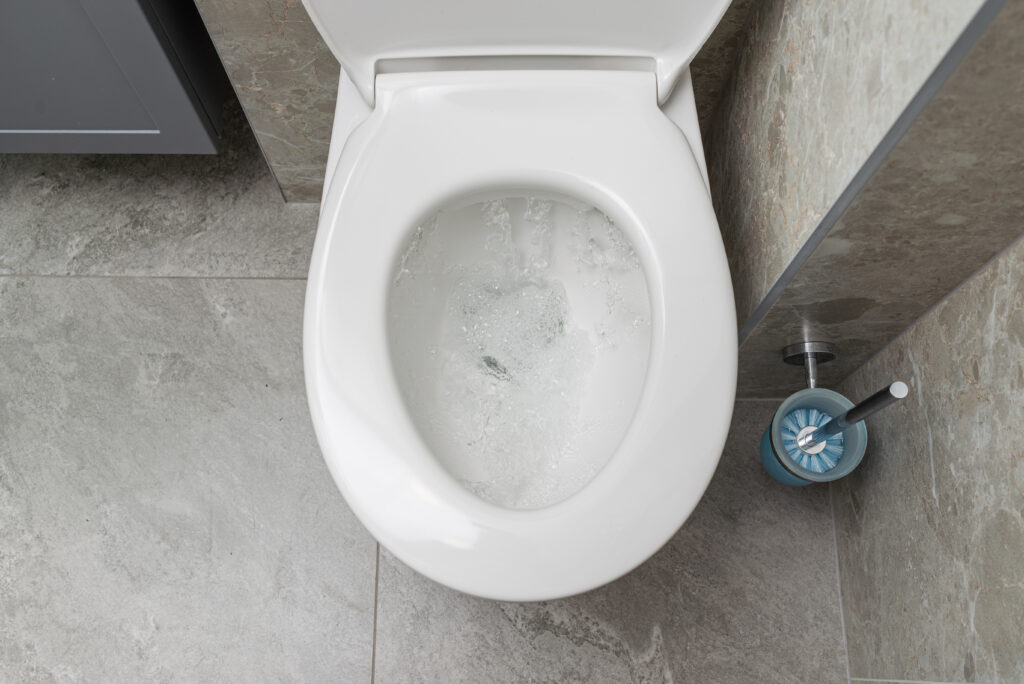
A toilet that constantly runs after flushing may seem like a minor annoyance, but it can waste a surprising amount of water and increase your monthly utility bill. Whether you hear a steady trickle, a faint hissing sound, or water continuously flowing into the toilet bowl, the problem usually means something inside the tank isn’t working as it should.
Fortunately, many running toilet problems are caused by worn-out parts that can be repaired or replaced. Understanding what causes the issue can help you determine whether it’s a simple fix or a sign that you need professional plumbing service.
In this guide, we’ll explain the most common reasons your toilet keeps running, how to identify the source of the problem, what you can safely check yourself, and when it’s time to call a plumber.
Why Does a Toilet Keep Running After Flushing?
A toilet tank is designed to refill after each flush and then stop filling once the water reaches the correct level. Several components work together to make this happen, including the fill valve, flapper, overflow tube, and flush handle.
When one of these components becomes worn, misaligned, or damaged, water may continue flowing into the tank or leaking into the bowl.
The most common causes of a constantly running toilet include:
- A worn or damaged flapper
- A faulty fill valve
- An incorrectly adjusted float
- A chain that is too tight or tangled
- A water level that is too high
- Mineral buildup or debris inside the tank
- A damaged flush valve or overflow tube
Identifying the cause is the first step toward stopping the water waste and preventing the problem from getting worse.
1. A Worn or Damaged Toilet Flapper
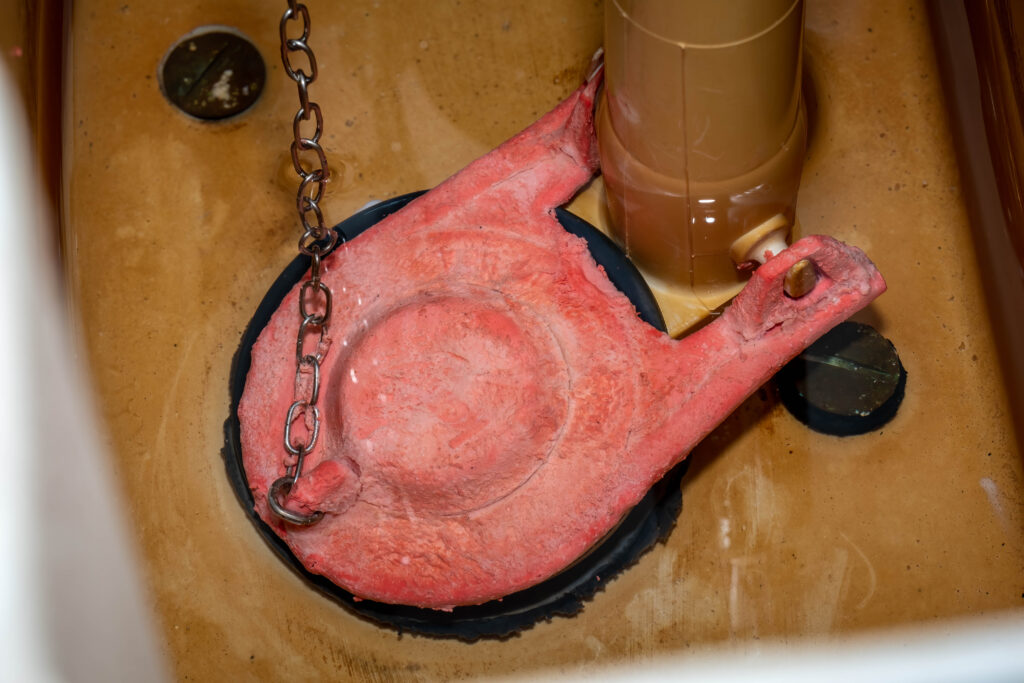
One of the most common reasons a toilet constantly runs is a faulty flapper.
The flapper is a rubber or plastic component at the bottom of the toilet tank. When you flush, it lifts to allow water to flow into the bowl. After the flush, it should settle back into place and create a watertight seal.
Over time, the flapper can deteriorate, warp, crack, or become coated with mineral deposits. When it no longer seals properly, water slowly leaks from the tank into the bowl. The fill valve then activates repeatedly to replace the lost water.
Signs of a faulty flapper include:
- Water rippling or trickling into the bowl when the toilet isn’t being used
- The toilet refilling periodically on its own
- A tank that slowly loses water
- A toilet that runs for several seconds or longer after flushing
How to check the flapper
Remove the toilet tank lid and inspect the flapper at the bottom of the tank. Look for visible damage, stiffness, warping, or a poor fit against the flush valve opening.
You can also perform a simple dye test. Add a few drops of food coloring to the tank water without flushing. Wait approximately 15–20 minutes. If colored water appears in the bowl, water is likely leaking past the flapper or another part of the flush valve seal.
If the flapper is damaged or no longer seals correctly, replacing it may solve the problem. Make sure the replacement is compatible with your toilet model.
2. A Faulty Fill Valve
The fill valve controls the flow of water into the toilet tank after a flush. It should shut off automatically when the tank reaches the proper water level.
If the fill valve becomes worn, clogged, or damaged, it may fail to stop the water supply. This can cause the toilet to keep filling or produce a continuous hissing sound.
Common signs of a faulty fill valve include:
- Water continues entering the tank after it appears full
- A persistent hissing or buzzing noise
- Slow tank refilling
- Inconsistent water levels
- Water flowing into the overflow tube
Sometimes debris or mineral buildup interferes with the valve’s operation. In other cases, the valve itself needs to be replaced.
If adjusting the float doesn’t stop the water flow, the fill valve may need cleaning or replacement. If the valve is old or visibly damaged, replacing the entire assembly is often the more reliable solution.
3. The Toilet Float Is Set Too High
The float helps regulate the water level inside the tank. Depending on the toilet design, it may be attached to an arm or built into the fill valve assembly.
As the water rises, the float moves upward and signals the fill valve to stop filling the tank.
If the float is set too high, the tank may fill beyond the intended level. Excess water can spill into the overflow tube and flow continuously into the toilet bowl.
How to recognize a float problem
Remove the tank lid and watch the water level as the toilet refills. The water should stop below the top of the overflow tube, typically at the manufacturer’s marked fill line.
If the water reaches the top of the overflow tube and continues flowing into it, the float may need adjustment or the fill valve may not be shutting off correctly.
Some toilets have an adjustment screw or clip that allows you to lower the float. Follow the manufacturer’s instructions for your model, and avoid forcing plastic components that may be brittle.
If lowering the float doesn’t resolve the issue, inspect the fill valve for damage.
4. The Toilet Flapper Chain Is Too Tight or Tangled
The chain connecting the flush handle to the flapper allows the flapper to lift when you press the handle.
If the chain is too short, tangled, or caught beneath the flapper, it may prevent the flapper from closing completely. Even a small gap can allow water to leak from the tank into the bowl.
A chain that is too long can also cause trouble if it gets caught underneath the flapper or other tank components.
What to check
With the tank lid removed, inspect the chain while the toilet is not flushing. It should have a little slack when the flapper is closed, but it shouldn’t be so loose that it gets tangled.
If necessary, adjust the chain length using the clip attached to the flush lever. Make sure the chain moves freely and doesn’t interfere with the flapper’s seal.
This simple adjustment can sometimes stop a running toilet without requiring replacement parts.
5. The Water Level Is Too High
A toilet tank is designed to hold a specific amount of water. If the water level rises above the proper fill line, excess water can flow into the overflow tube.
This can happen because the float is incorrectly adjusted, the fill valve is malfunctioning, or the tank components are not working together correctly.
The overflow tube is designed to prevent the tank from overflowing onto the floor. However, water entering this tube can continue flowing into the bowl, making it sound as though the toilet never finishes filling.
Check the water level after the tank has refilled. If water continues flowing into the overflow tube, determine whether the float needs adjustment or the fill valve needs attention.
Important: If the water level is too high, don’t simply assume the float is the only problem. A faulty fill valve can cause the same symptom.
6. Mineral Buildup or Debris Inside the Tank
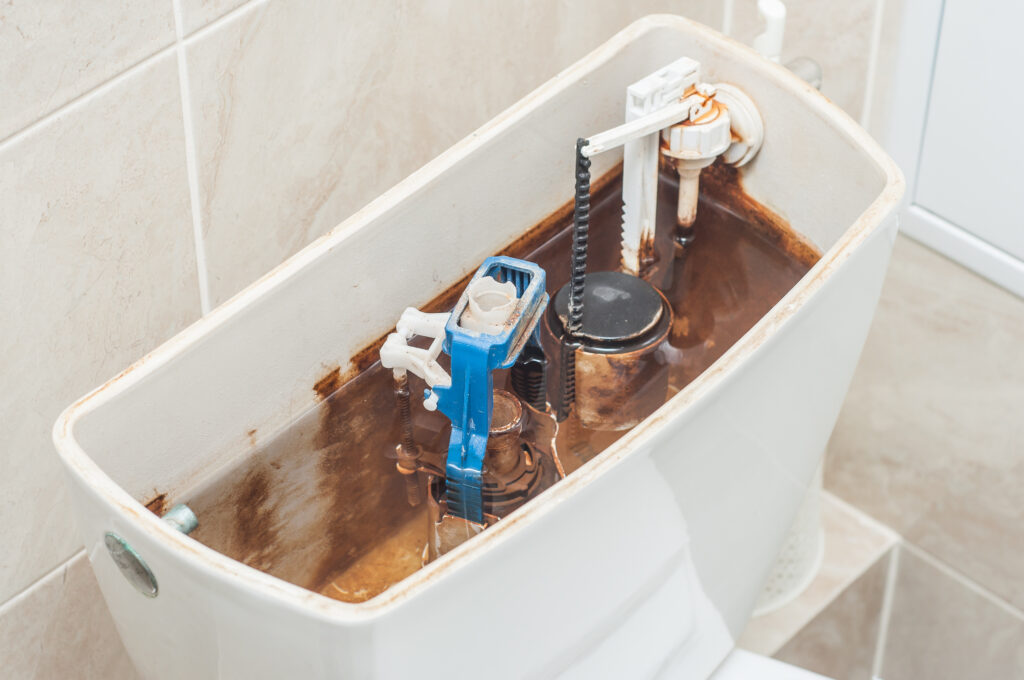
Minerals in the water supply can accumulate on toilet components over time. Debris may also interfere with the fill valve, flapper, or other moving parts.
This is especially worth checking if your toilet has gradually developed a running problem, refills inconsistently, or makes unusual noises.
Mineral deposits may prevent the flapper from sealing correctly or stop the fill valve from closing completely.
What you can do
Inspect accessible tank components for visible buildup or debris. If cleaning is appropriate for the part, follow the manufacturer’s instructions and use a product that is safe for the toilet’s materials.
Avoid dropping in-tank cleaning tablets that contain harsh chemicals unless the toilet manufacturer specifically approves them. Some products can damage rubber seals and shorten the life of flappers and other components.
If buildup is severe or the valve remains unreliable after cleaning, replacing the affected component may be necessary.
7. A Damaged Flush Valve or Overflow Tube
The flush valve is the assembly at the bottom of the tank that allows water to enter the bowl during a flush. It includes the opening the flapper seals against and may incorporate the overflow tube.
If the flush valve seat becomes damaged, corroded, or uneven, a new flapper may not create a proper seal. A cracked overflow tube or damaged valve assembly can also contribute to persistent water loss.
Possible signs include:
- A toilet that keeps running after the flapper has been replaced
- Water leaking into the bowl even when the flapper appears to close properly
- Visible cracks or damage inside the tank
- Repeated problems with replacement flappers
These repairs may require removing the tank from the bowl, depending on the toilet’s design. If the valve assembly is damaged or difficult to access, professional plumbing service can help prevent leaks and ensure the components are installed correctly.
How to Troubleshoot a Constantly Running Toilet
If your toilet keeps running, a few basic checks may help you identify the problem before arranging a repair.
Step 1: Listen to the toilet
Determine whether the water is continuously flowing or whether the toilet refills every few minutes.
A constant hiss may indicate a fill valve problem or water flowing into the overflow tube. Periodic refilling can indicate that water is slowly leaking from the tank into the bowl.
Step 2: Remove the tank lid
Carefully remove the tank lid and place it on a stable surface. Watch what happens after you flush the toilet.
Check whether the flapper closes completely, the chain moves freely, and the water stops at the proper level.
Step 3: Check the flapper and chain
Look for a flapper that is warped, damaged, or unable to seal. Make sure the chain isn’t caught underneath it and has enough slack to allow the flapper to close.
Step 4: Observe the water level
Watch the tank as it refills. If the water reaches the overflow tube and continues flowing, the float may need adjustment or the fill valve may be faulty.
Step 5: Test for a slow leak
Add food coloring to the tank and wait 15–20 minutes without flushing. If color appears in the bowl, water is likely passing through the flush valve seal or flapper.
Step 6: Shut off the water if necessary
If you cannot stop the toilet from running, use the shutoff valve near the base of the toilet to turn off the water supply, provided the valve operates normally.
Turn the valve gently rather than forcing it. Older shutoff valves can leak or fail when disturbed. If the valve is stuck, damaged, or leaking, contact a plumber.
These checks can help narrow down the issue. If you cannot identify the cause or the toilet continues running after a basic adjustment, a professional can inspect the system and recommend the appropriate repair.
How Much Water Does a Running Toilet Waste?
A constantly running toilet can waste far more water than many homeowners realize. The amount depends on the severity of the leak, the toilet’s design, and how long the problem continues.
A small leak may waste water slowly for days or weeks, while a more serious problem can allow water to flow continuously.
The potential consequences include:
- Higher water and sewer bills
- Unnecessary water consumption
- Repeated refilling that creates noise throughout the home
- Additional wear on toilet components
- Water waste that continues while the home is unoccupied
Even if you don’t see water on the bathroom floor, water may be escaping directly from the tank into the bowl. That means a running toilet can waste water without creating an obvious puddle or visible leak.
If you notice the toilet running when nobody has used it, don’t ignore the sound. Addressing the problem promptly can help reduce water waste and prevent an avoidable increase in utility costs.
Can You Fix a Running Toilet Yourself?
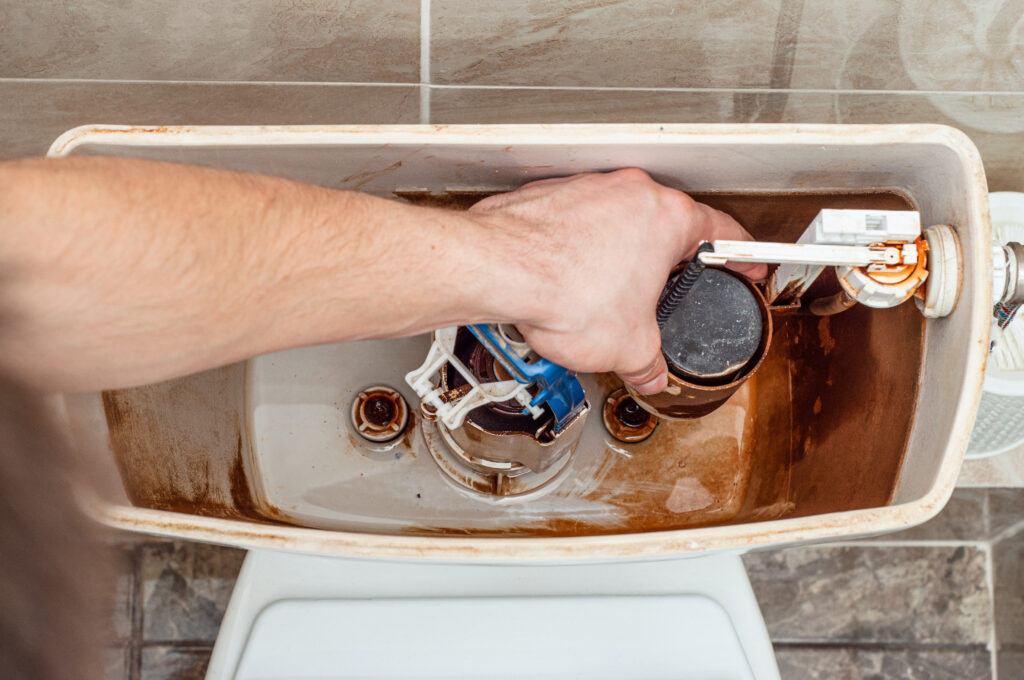
Many running toilet problems are manageable for homeowners who are comfortable performing basic maintenance.
Simple fixes may include:
- Adjusting a loose or tangled chain
- Correcting the float setting
- Replacing a worn flapper
- Cleaning accessible debris from a component
- Replacing a compatible fill valve
Before working inside the tank, turn off the water supply if needed and flush the toilet to lower the water level. Keep the tank lid in a safe place, since porcelain lids can break easily if dropped.
Always use replacement parts that are compatible with your toilet. Follow the manufacturer’s instructions, and check for leaks after restoring the water supply.
When should you call a plumber?
Professional help is recommended if:
- The toilet continues running after you replace the flapper or adjust the float.
- The fill valve or flush valve assembly is damaged.
- The toilet leaks around its base.
- The shutoff valve is stuck, corroded, or leaking.
- You notice cracks in the tank or bowl.
- The toilet frequently clogs or flushes poorly in addition to running.
- You are unsure how to safely remove or replace the necessary parts.
A plumber can determine whether the issue is limited to a small component or whether a more extensive repair is needed.
How Much Does It Cost to Repair a Running Toilet?
The cost depends on which component has failed, the type of toilet, local labor rates, and whether additional repairs are needed.
Typical repair categories include:
- Flapper replacement: Often one of the less expensive repairs because the part is relatively simple to access.
- Fill valve replacement: Usually costs more than a basic flapper replacement because it involves disconnecting the water supply and replacing the fill assembly.
- Flush valve repair: May cost more if the tank must be removed from the toilet bowl.
- Shutoff valve repair: Costs vary depending on the valve’s condition and whether plumbing connections need to be replaced.
- Toilet replacement: May be worth considering if the toilet is cracked, severely deteriorated, repeatedly failing, or otherwise near the end of its useful life.
These are general categories rather than guaranteed prices. Your actual cost will depend on the toilet model, parts, labor, and the condition of the surrounding plumbing.
If the toilet is otherwise in good condition, repairing the failed component is often more practical than replacing the entire fixture. A plumber can assess the situation and explain the available options before work begins.
How to Prevent Your Toilet From Running Again
Regularly checking your toilet can help you catch small problems before they turn into persistent water waste.
Inspect the tank periodically
Lift the tank lid occasionally and check the flapper, chain, float, and fill valve for visible wear or damage. Look for mineral buildup and make sure the water stops filling at the proper level.
Avoid harsh in-tank cleaning products
Some chemical toilet tank tablets can damage rubber seals and other internal components. Use cleaning methods recommended by the toilet manufacturer.
Replace worn components promptly
Flappers, fill valves, and other moving parts can wear out over time. If you notice inconsistent flushing, repeated refilling, or unusual noises, investigate the problem before it continues for weeks.
Pay attention to unexpected sounds
A toilet that starts refilling on its own may be losing water through a faulty seal. Listen for hissing, trickling, or periodic refilling, especially at night when household noise is lower.
Check for leaks after repairs
After replacing or adjusting a component, flush several times and watch the tank refill. Confirm that the flapper seals correctly, the fill valve shuts off, and no water leaks around the supply connection or toilet base.
A few simple checks can help keep your toilet working efficiently and reduce the likelihood of recurring problems.
Running Toilet Problems for South Jersey Homeowners
A running toilet can occur in any home, whether the property is newer construction or an older house with plumbing components that have been in service for years.
In South Jersey communities such as Hammonton, Waterford, Atco, Berlin, and Mays Landing, homeowners may encounter running toilets in primary bathrooms, guest bathrooms, rental properties, and older homes.
Landlords and property managers should pay particular attention to toilets in vacant units or properties between tenants. A toilet that runs continuously can waste water for an extended period if nobody is present to notice the problem.
For commercial properties, including restaurants, retail spaces, and offices, a running toilet can also create unnecessary water costs and inconvenience employees or customers.
Whether the problem is a worn flapper, a faulty fill valve, or a damaged flush valve, identifying the cause early can help prevent ongoing water waste and restore normal operation.
Frequently Asked Questions About Running Toilets
Why does my toilet keep running every few minutes?
A toilet that refills every few minutes may have a slow leak from the tank into the bowl. A worn flapper or damaged flush valve seal is a common cause. As the tank loses water, the fill valve activates to replace it.
Is a running toilet an emergency?
A running toilet is not usually an emergency if the water is contained inside the toilet and there is no other damage. However, it should be addressed promptly to prevent water waste. If water is leaking onto the floor, the tank or bowl is cracked, or the shutoff valve is failing, the problem may require more urgent attention.
Why does my toilet keep running after I replace the flapper?
The flapper may be the wrong size, improperly installed, or unable to seal against a damaged flush valve seat. The chain may also be too tight, or the fill valve may be allowing the water level to rise too high.
Can a running toilet increase my water bill?
Yes. Depending on the amount of water escaping and how long the problem continues, a running toilet can increase your water and sewer costs. Fixing the problem promptly helps prevent unnecessary water use.
Why does my toilet make a hissing sound?
A hissing sound often comes from the fill valve as water enters the tank. If the sound continues after the tank should be full, the valve may be faulty or water may be flowing into the overflow tube.
Should I turn off the water to a constantly running toilet?
If the toilet will not stop running, turning off its shutoff valve can help prevent continued water use while you arrange a repair. Turn the valve gently and stop if it is stuck or begins leaking.
How long does it take to fix a running toilet?
A simple chain adjustment or flapper replacement may take relatively little time. Replacing a fill valve or repairing a damaged flush valve assembly can take longer, particularly if parts are corroded or difficult to access.
Should I replace my toilet if it keeps running?
Not necessarily. Many running toilet problems can be fixed by replacing a flapper, fill valve, or another internal component. Toilet replacement may be appropriate if the tank or bowl is cracked, the fixture is badly deteriorated, or repeated repairs are no longer practical.
Final Thoughts

A constantly running toilet may seem like a small plumbing issue, but it can waste water, increase utility bills, and become frustrating if the sound never stops. The most common causes are worn flappers, faulty fill valves, incorrectly adjusted floats, and problems with the flush valve assembly.
Start by checking the tank components and watching how the toilet refills. A simple adjustment or replacement part may be all that’s needed. If the toilet continues running, develops a leak, or requires repairs you’re not comfortable handling, a professional plumber can help identify the cause and restore proper operation.
Whether you’re dealing with a running toilet, a leaking faucet, low water pressure, or another plumbing concern, WYNNOW is here to help you manage your home service and repair needs throughout South Jersey. Also please be sure to check us out on Facebook, Instagram and X if you found this blog helpful!