
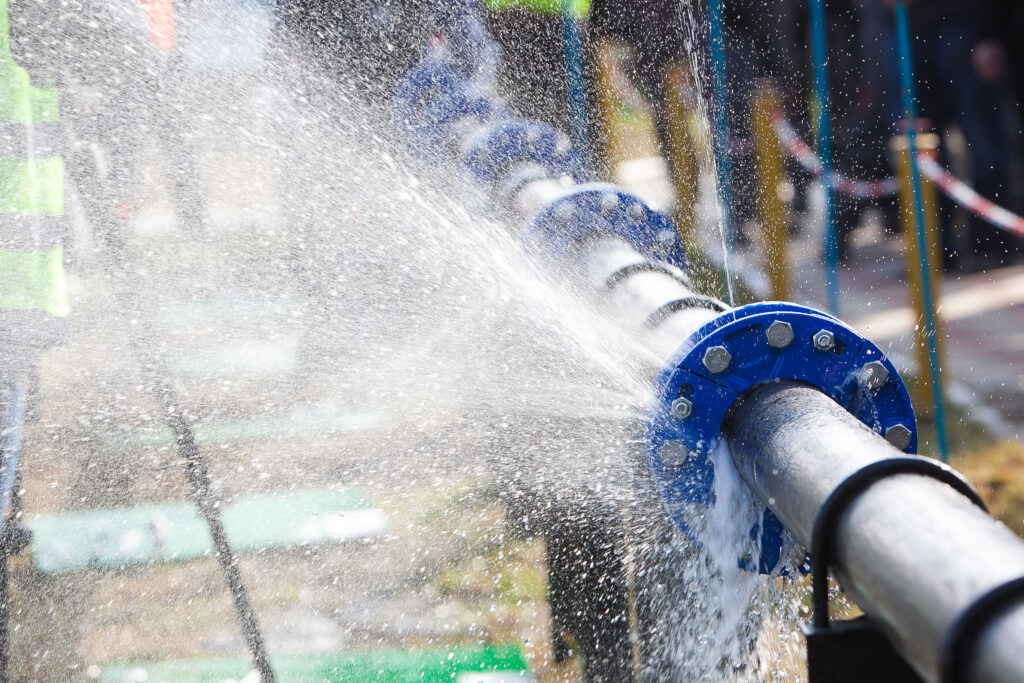
When most homeowners think about burst pipes, they picture freezing winter temperatures. While cold weather is a common cause of pipe failures, burst pipes can also occur during the summer months and often lead to significant water damage if not addressed quickly.
Understanding what causes pipes to burst during warmer weather can help homeowners identify risks, prevent costly repairs, and protect their property from unexpected plumbing emergencies.
Can Pipes Really Burst in Summer?
Yes. Although freezing temperatures are responsible for many pipe failures, summer brings its own set of plumbing challenges that can place stress on pipes and plumbing systems.
Factors such as increased water usage, aging infrastructure, tree root intrusion, corrosion, and pressure issues can all contribute to pipe damage and eventual failure.
1. Increased Water Demand
Summer often means higher water usage throughout the home.
Common reasons include:
- Lawn and garden watering
- Filling pools and spas
- Increased outdoor cleaning
- More frequent laundry
- House guests and family gatherings
This additional demand can place extra pressure on aging or weakened plumbing systems, increasing the likelihood of leaks or pipe failures.
2. Aging Pipes and Corrosion
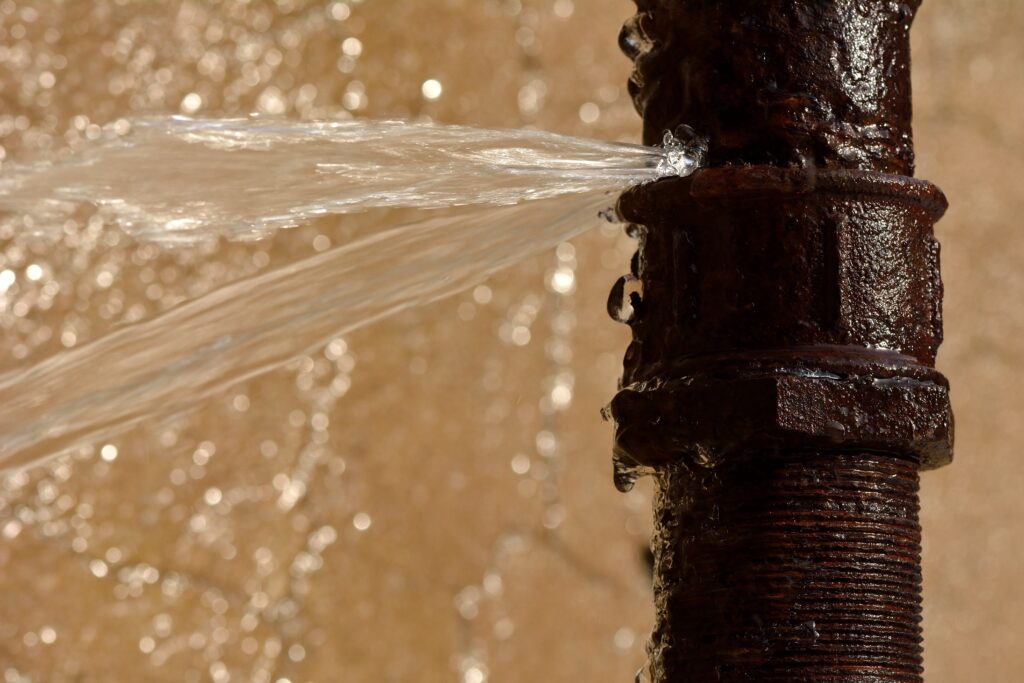
Older plumbing systems naturally deteriorate over time.
Common issues include:
- Internal corrosion
- Mineral buildup
- Pipe thinning
- Weak joints and fittings
As pipes age, they become more vulnerable to cracks, leaks, and bursts, especially during periods of heavy use.
Warning signs:
- Discolored water
- Reduced water pressure
- Frequent leaks
- Visible corrosion
3. High Water Pressure
Many homeowners are unaware that excessive water pressure can damage plumbing systems.
While strong water pressure may seem beneficial, pressure that is too high can place constant stress on:
- Pipes
- Fittings
- Valves
- Water heaters
- Appliances
Over time, this stress can weaken plumbing components and lead to pipe failures.
Signs of high water pressure:
- Banging pipes
- Leaking fixtures
- Rapid appliance wear
- Unusually strong water flow
4. Tree Root Intrusion
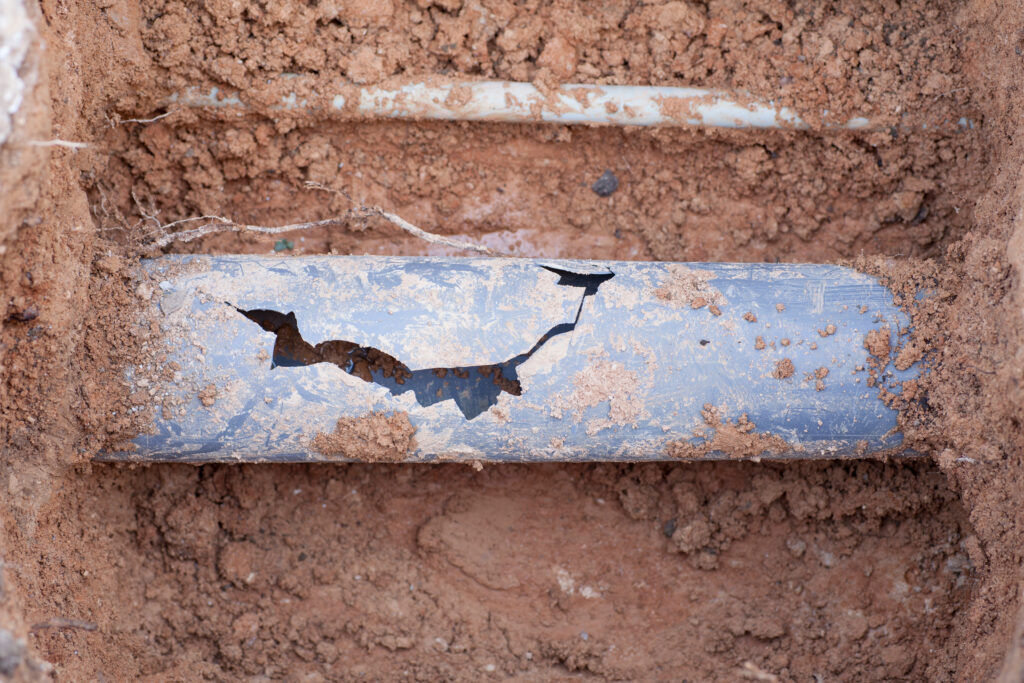
Summer is a peak growing season for trees and landscaping.
Tree roots naturally seek out moisture and can infiltrate:
- Sewer lines
- Drain pipes
- Underground water lines
As roots grow, they can crack, crush, or block pipes, eventually causing leaks, backups, or complete pipe failure.
Common warning signs:
- Slow drains
- Frequent clogs
- Unexplained wet spots in the yard
- Sewer odors
5. Ground Movement and Soil Shifts
Hot, dry summer weather can affect soil conditions around your home.
Potential impacts include:
- Soil shrinkage
- Ground movement
- Shifting foundations
- Stress on underground pipes
Even small shifts in the ground can place pressure on buried plumbing lines and contribute to cracking or breakage.
6. Poor Installation or Previous Repairs
Improperly installed plumbing systems may function for years before problems become apparent.
Potential issues include:
- Loose fittings
- Incorrect pipe materials
- Improper pipe support
- Weak connections
Summer water demand can expose these hidden weaknesses.
7. Clogged Pipes and Drain Backups
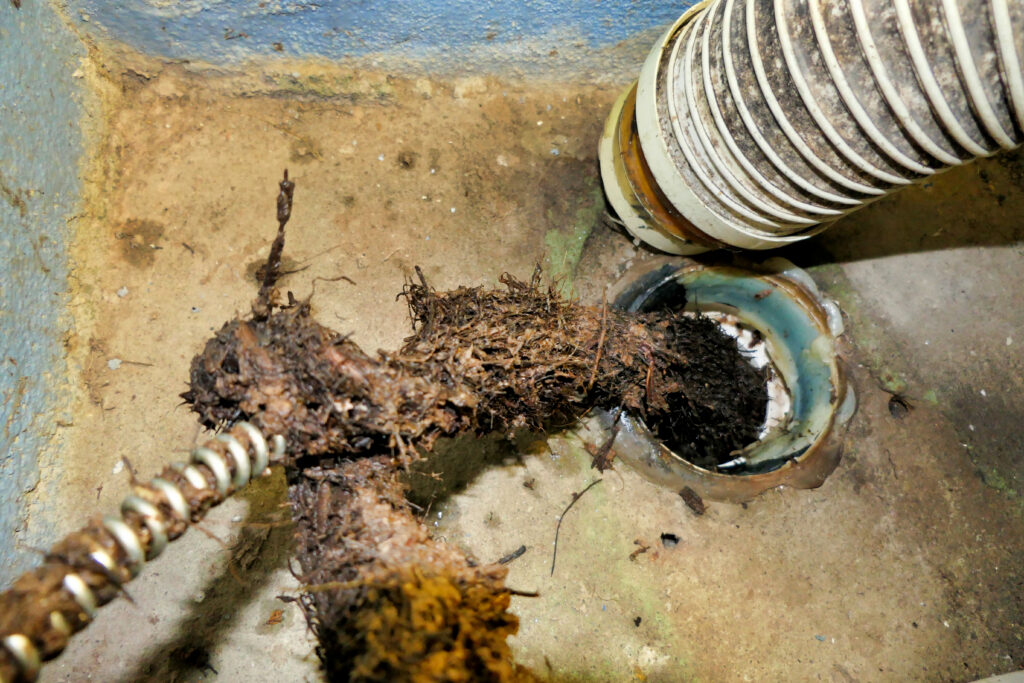
Blockages increase pressure within your plumbing system.
Common causes include:
- Grease buildup
- Foreign objects
- Hair and debris
- Tree root intrusion
When water cannot flow properly, pressure builds behind the blockage, increasing the risk of leaks and pipe damage.
Signs a Pipe May Be at Risk of Bursting
Watch for these warning signs:
- Unexplained increases in water bills
- Water stains on walls or ceilings
- Low water pressure
- Damp spots around the property
- Mold or mildew growth
- Strange plumbing noises
- Visible corrosion on exposed pipes
Addressing these issues early may prevent more serious damage.
What to Do If a Pipe Bursts
If you suspect a burst pipe:
1. Shut Off the Water
Locate and turn off your home’s main water supply as quickly as possible.
2. Turn Off Electricity if Necessary
If water is near electrical systems, avoid contact and shut off power if it is safe to do so.
3. Remove Valuable Items
Protect furniture, electronics, and personal belongings from water damage.
4. Contact a Plumbing Professional
Prompt repairs can minimize damage and restore your plumbing system safely.
How to Prevent Summer Pipe Failures
Homeowners can reduce the risk of burst pipes by:
- Scheduling regular plumbing inspections
- Monitoring water pressure
- Addressing leaks promptly
- Clearing drain blockages
- Inspecting aging plumbing systems
- Managing tree growth near underground lines
Preventive maintenance often costs far less than repairing water damage caused by a burst pipe.
Plumbing Services in South Jersey
Summer plumbing issues can affect homes throughout South Jersey, especially during periods of heavy water usage and extreme weather conditions.
Homeowners in areas such as:
- Hammonton
- Egg Harbor Township
- Galloway Township
- Berlin
- Mays Landing
- Waterford Township
- Surrounding communities
can benefit from regular plumbing inspections and maintenance to identify problems before they become emergencies.
Final Thoughts

Burst pipes aren’t just a winter problem. Increased water demand, aging plumbing systems, high water pressure, tree root intrusion, and ground movement can all contribute to pipe failures during the summer months.
Understanding the warning signs and addressing plumbing issues early can help protect your home from costly water damage. WYNNOW provides professional plumbing inspections, repairs, and maintenance services throughout South Jersey, helping homeowners identify potential problems before they become major emergencies. Please be sure to also check us out on Facebook, Instagram and X if you found this blog helpful!