

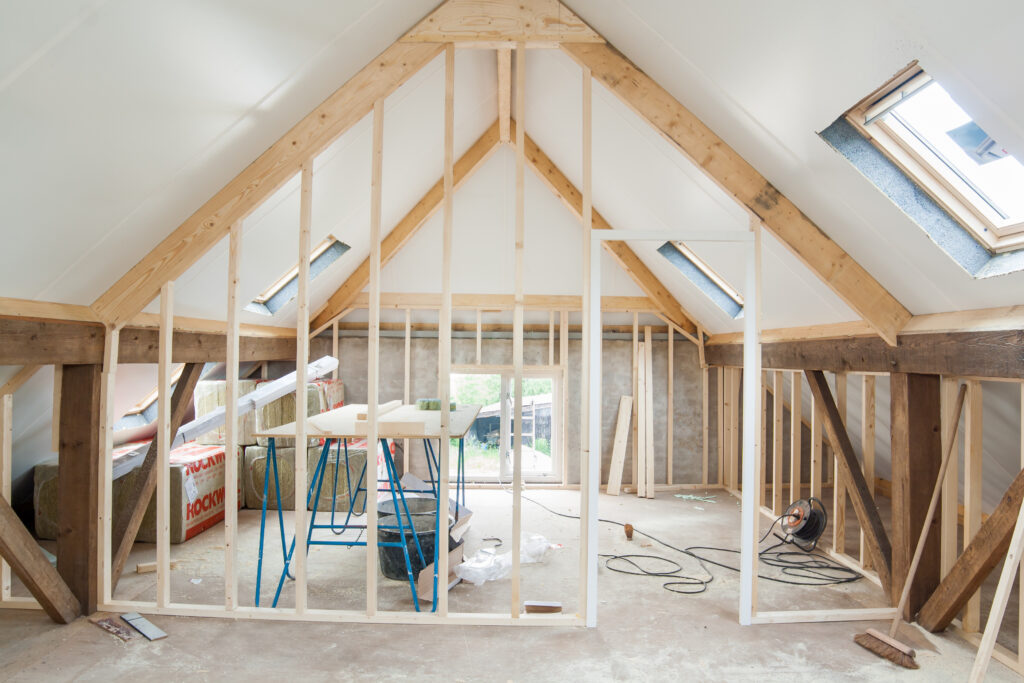
Planning a home renovation in New Jersey? Before you start tearing out walls or scheduling contractors, there’s one crucial step many homeowners overlook: permits.
New Jersey has some of the most clearly defined — yet often misunderstood — building permit requirements in the country. Whether you’re updating a bathroom, adding a deck, replacing windows, or doing major electrical work, knowing when a permit is required can save you time, money, and major headaches.
This guide breaks down the essentials so you can renovate confidently and avoid costly delays.
🔍 Why Permits Matter in New Jersey
Permits exist to make sure home improvements meet safety codes, follow zoning rules, and are completed by licensed professionals when required.
Skipping a required permit can lead to:
- Fines or stop-work orders
- Delays when selling your home
- Required demolition or redo of unapproved work
- Insurance claim issues after damage or accidents
The bottom line: permits protect you, your investment, and future homeowners.
📝 Common Projects That Require a Permit in NJ
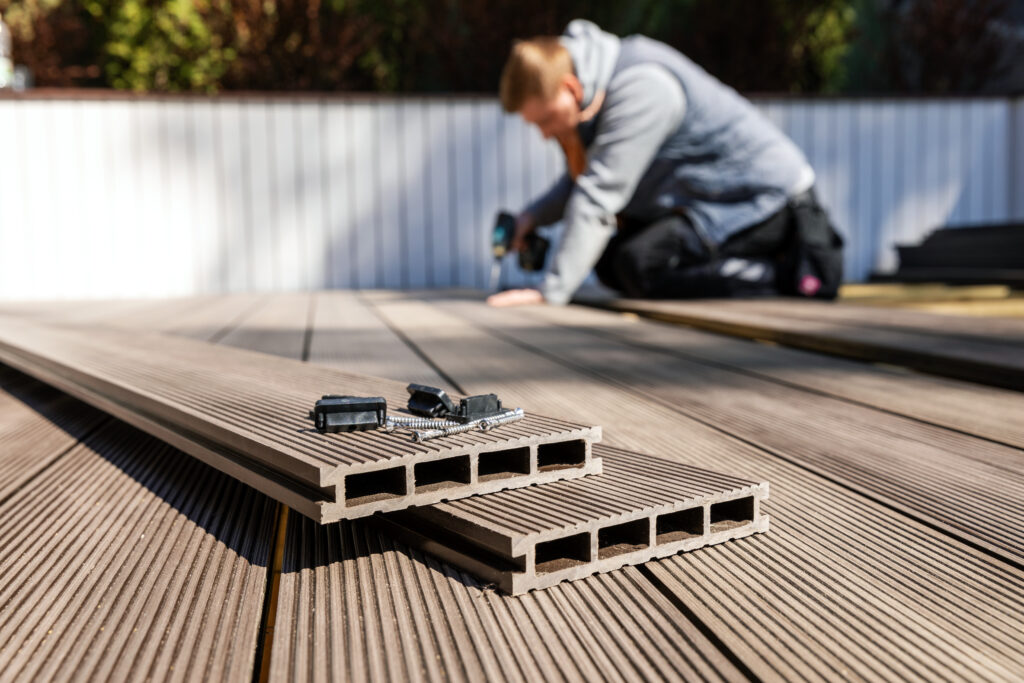
New Jersey follows the Uniform Construction Code (UCC), which outlines when permits are mandatory. Most of the time, permits are needed for work involving structure, systems, or safety.
Here are projects that almost always require a renovation permit:
1. Structural Changes
- Removing or adding walls
- Adding a room, dormer, or second story
- Changing the layout of a kitchen or bathroom
2. Electrical Work
- Adding new circuits
- Upgrading your panel
- Rewiring or running new electrical lines
- Installing EV chargers (Level 2+)
3. Plumbing Work
- Replacing or relocating drains or supply lines
- Installing new fixtures that require piping changes
- Water heater replacements (tank or tankless)
4. HVAC Work
- New furnace or air conditioner installation
- Replacing ductwork
- Adding mini-splits
5. Exterior Additions
- Decks
- Porches
- Sunrooms
- Detached structures like sheds over 200 sq ft
6. Windows & Doors
- Enlarging openings
- Cutting new openings
- Changing window type (e.g., to egress windows)
🔧 Projects That Do NOT Require a Permit
Certain cosmetic or minor repairs are exempt. These include:
- Painting, flooring, and trim
- Replacing existing cabinets (same layout)
- Swapping light fixtures (no wiring modification)
- Installing gutters or downspouts
- Minor roof shingle repairs under 25% of surface area
If in doubt, always check your town’s construction office—requirements can vary slightly.
📍 NJ’s “Minor Work” Rule
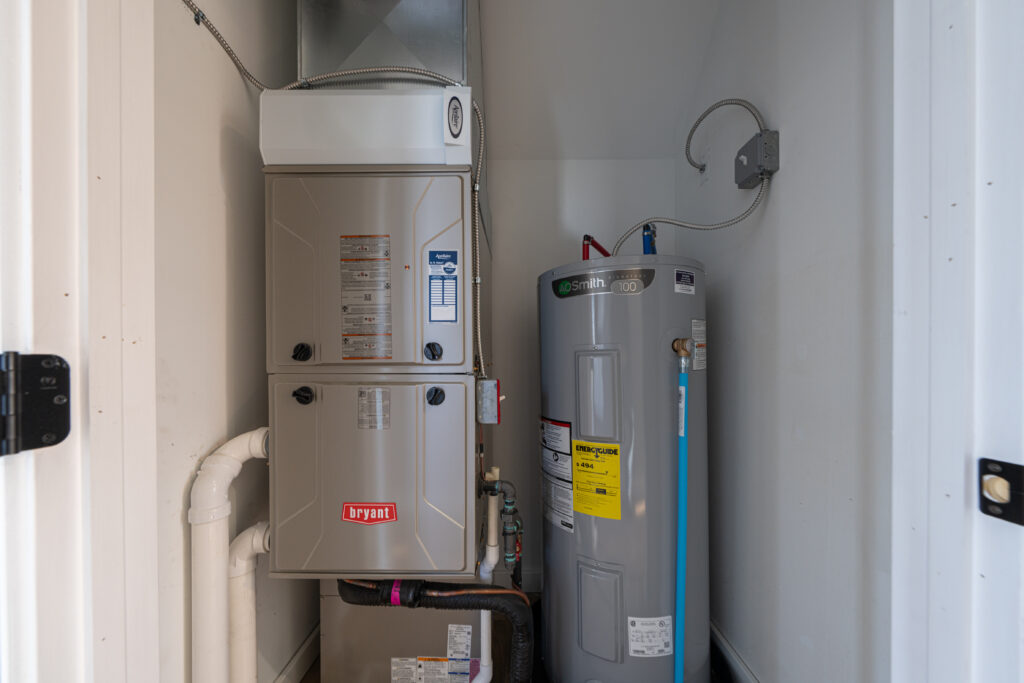
New Jersey has a category called Minor Work, where permits are required but work can begin before the permit is issued, as long as the application is submitted.
This applies to things like:
- Water heater replacements
- HVAC replacements
- Minor electrical upgrades
This rule keeps urgent repairs moving while staying compliant.
⏳ How Long Do Permits Take in New Jersey?
Under NJ law, construction offices must issue or deny a permit within:
- 20 business days for most work
- 7 business days for Minor Work
- Same day or 24 hours for emergency replacements (like failed heating in winter)
However, delays can occur depending on the municipality.
💵 How Much Do NJ Renovation Permits Cost?
Permit fees vary by town and by the type of work. General ranges:
- Electrical: $60–$200
- Plumbing: $75–$250
- Building/structural: $100–$500+
- Additions: $500–$1,500+
Your contractor should handle the application and include fees in your estimate.
🏡 What Happens After the Permit Is Approved?
Once your permit is issued:
- Work begins
- Inspections are scheduled at key phases (framing, rough wiring, final install, etc.)
- Final inspection approves the job as complete
- You receive a Certificate of Approval
Keep this document—it’s often required during home sales.
🔨 How Wynnow Helps NJ Homeowners With Permit-Heavy Projects

Many home improvement projects require multiple permits — and coordinating them can be confusing.
Wynnow makes this easier by:
- Ensuring all required permits are identified
- Scheduling inspections at the correct stages
- Working with licensed, insured professionals
- Completing code-compliant work that passes inspection the first time
This means fewer delays, fewer surprises, and a smoother renovation start to finish.
Final Thoughts
Understanding New Jersey’s renovation permit rules is one of the smartest things you can do before beginning any home improvement project.
By following the NJ Uniform Construction Code and working with qualified pros, you’ll:
✔ Stay compliant
✔ Protect your investment
✔ Avoid fines or delays
✔ Ensure your renovation is safe, durable, and up to code
If you found this blog helpful, please be sure to check us out on Facebook, Instagram and X for more!