

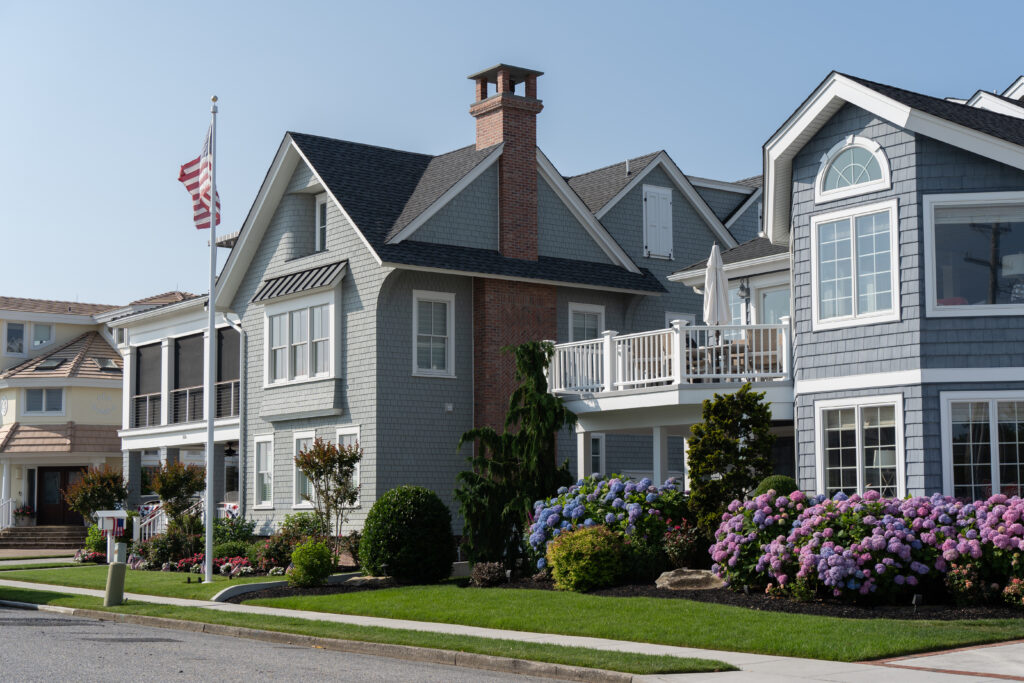
Owning a home along the South Jersey shoreline comes with incredible benefits — ocean views, crisp breezes, and a unique outdoor lifestyle. But coastal living also brings constant wear and tear from salt-air corrosion, high humidity, flooding, and intense storm activity, including nor’easters and hurricane-remnants.
Whether your home is a weekend bungalow, a full-time residence, or a rental property, protecting it from coastal climate damage is essential to long-term value and safety.
Here’s a comprehensive guide to help you safeguard your home.
1. Understand the Biggest Coastal Threats
Before you can protect your home, it’s important to understand what you’re dealing with:
Salt Air
- Causes metal corrosion (hardware, fasteners, railings, AC units).
- Breaks down paint, exterior coatings, and finishes.
- Accelerates roof shingle aging.
High Humidity
- Leads to mold, mildew, wood rot, and warped flooring.
- Triggers moisture buildup in HVAC systems, ducts, and crawl spaces.
Storms & Flooding
- Nor’easters, coastal storms, and tropical remnants cause:
- Roof damage
- Flooding, especially in low-lying neighborhoods
- Wind-driven rain infiltration
- Also Power outages and electrical hazards
Understanding these threats helps you target maintenance where it matters most.
2. Exterior Protection: Your First Line of Defense
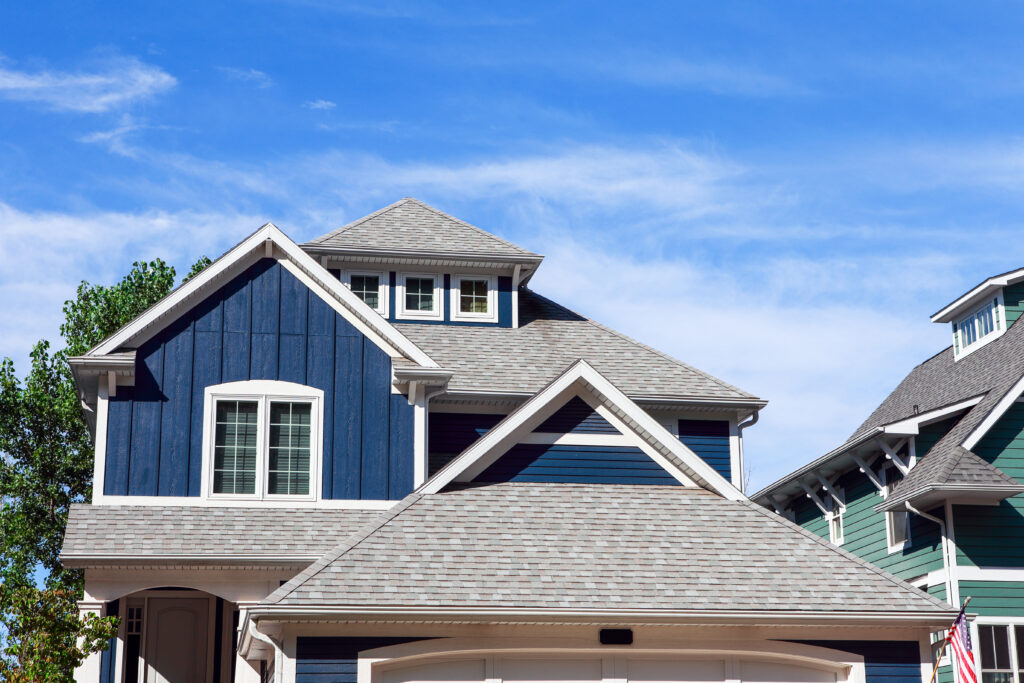
Choose Coastal-Resistant Materials
If your home is within a few miles of the ocean, choose materials specifically designed for salt and moisture.
Best exterior materials for coastal homes:
- Fiber-cement siding (HardieBoard) – moisture, termite, and rot-resistant
- Vinyl or PVC trim – won’t rot and requires low maintenance
- Pressure-treated or composite decking – ideal for humid, wet environments
- Stainless steel or galvanized fasteners – resist corrosion
- Impact-rated windows and doors – withstand wind & flying debris
Apply Protective Coatings & Sealants
- Repaint or re-stain wood siding every 2–4 years.
- Additionally seal decks and railings every 12–18 months.
- Also use marine-grade paints or sealants for maximum durability.
Protect Your Roofing
Your roof takes the brunt of salt, sun, and storm damage.
Best practices:
- Choose architectural shingles rated for high winds (110–130 mph).
- Install stainless or galvanized roofing nails.
- Apply a roof sealant or protective UV coating as recommended.
- Also schedule annual roof inspections, especially before hurricane season.
3. Protect Against Moisture, Humidity & Mold
The humidity in coastal South Jersey can spike above 80% in summer — perfect mold-growing conditions.
Ventilation Is Key
- Install or improve attic ventilation (ridge + soffit).
- Make sure bathroom and kitchen fans vent outside, not into the attic.
- Additionally use a whole-home or stand-alone dehumidifier in humid months.
Ideal indoor humidity: 40–55%
Crawl Space Protection
This is one of the most vulnerable areas in coastal communities.
Crawl space essentials:
- Vapor barrier (6–20 mil plastic liner)
- Encapsulation for maximum protection
- Sump pump with battery backup
- Dehumidifier for moisture control
Also a properly encapsulated crawl space prevents wood rot, sagging floors, insulation damage, and mold.
Protect Interior Finishes
Use materials that handle humidity well:
- Tile, vinyl plank, or engineered flooring
- Mold-resistant drywall (purple/green board)
- Also Semi-gloss paint in bathrooms & kitchens
4. Safeguard Your Home From Flooding & Storm Surges
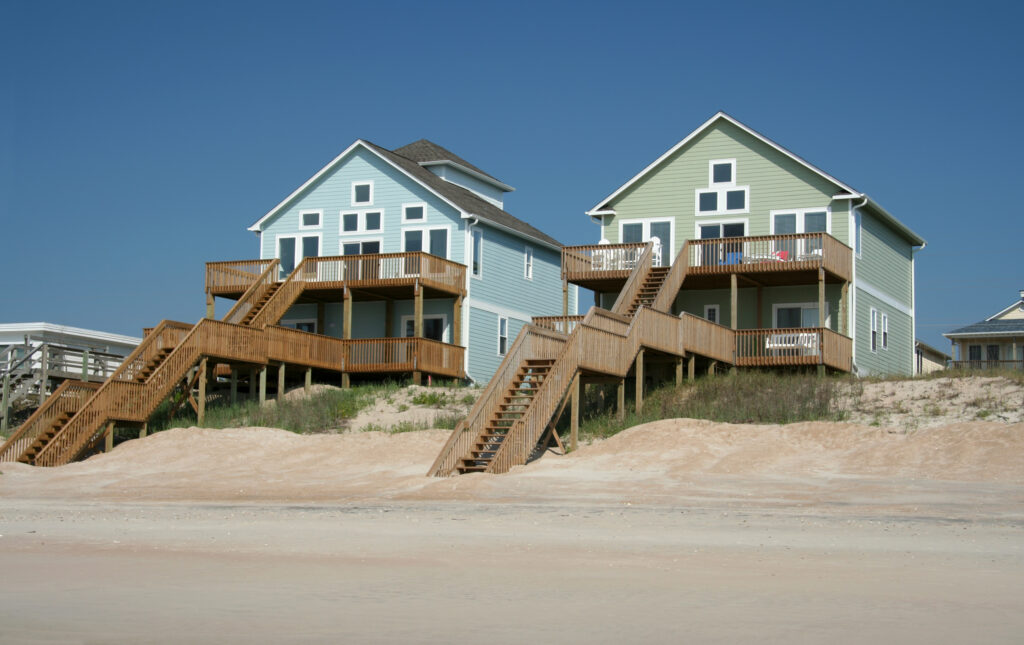
South Jersey experiences both predictable seasonal flooding and unpredictable storm surges.
Improve Drainage & Grading
- Ensure soil slopes away from your home.
- Clear gutters annually (or install gutter guards).
- Keep downspouts extended 6+ feet from the foundation.
Install Flood Protection Systems
- Smart sump pump with backup battery
- French drain system
- Backflow preventer on plumbing lines
- Flood vents if you have a crawl space or garage below base flood elevation
Storm Windows & Doors
- Install impact-rated windows
- Use storm shutters or temporary hurricane panels
- In addition, reinforce garage doors (they are a major failure point in high wind)
Prepare for Power Outages
- Consider a whole-home generator
- Install surge protectors for HVAC, appliances, and electronics
- Also keep batteries and backup lighting on hand
5. Protect Outdoor Equipment — Especially HVAC Units
Air conditioners located near the shore suffer severe corrosion.
Recommended protections:
- Use a coastal-rated HVAC system (aluminum or coated components)
- Rinse condenser coils with fresh water monthly
- Apply anti-corrosion spray to exposed metal
- Install a storm anchor kit for high-wind events
Other outdoor items to protect:
- Railings (upgrade to vinyl, composite, or powder-coated aluminum)
- Outdoor furniture (rinse often to remove salt)
- Grills (use a cover, clean regularly)
6. Prepare a Coastal Storm Readiness Plan
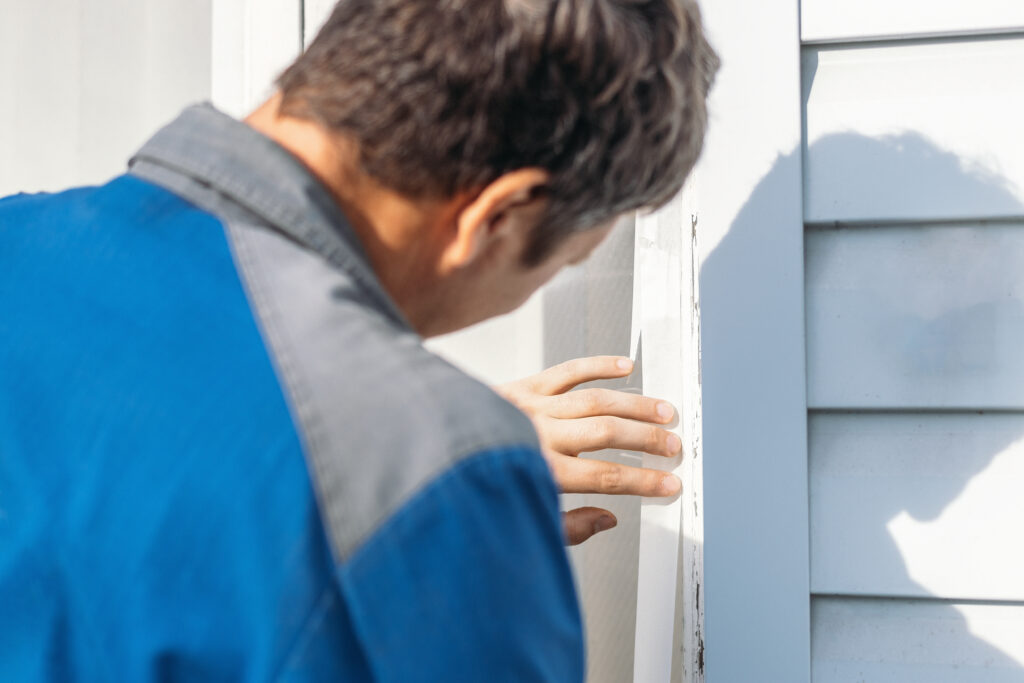
Even if a major storm misses the coast, a nor’easter can bring significant flooding and wind.
Before storm season (June–November):
- Inspect roof & gutters
- Trim weak or overhanging branches
- Tie down outdoor furniture
- Seal any cracks in windows or doors
- Secure propane tanks
- Test sump pump & backup battery
During a storm:
- Close storm shutters
- Move valuables to upper floors
- Shut off power if water rises near outlets
- Keep emergency supplies stocked
Afterward:
- Check for roof leaks
- Look for exterior damage
- Inspect crawl spaces and basements for standing water
- Document everything for insurance
7. Routine Maintenance Schedule for Coastal Homes
| Task | Frequency |
|---|---|
| Rinse siding & windows | Monthly |
| Rinse outdoor AC unit | Monthly |
| Seal decks & wood surfaces | 12–18 months |
| Roof inspection | Yearly (or after major storm) |
| Crawl-space moisture check | Monthly in summer |
| Gutter cleaning | Spring & Fall |
| Check for corrosion on hardware | Quarterly |
| Test sump pump | Every 3 months |
Following this schedule can add decades to the life of a shore property.
Final Thoughts

Coastal living in South Jersey brings beauty — but also unique maintenance challenges. By proactively protecting your home from salt-air corrosion, humidity, and storm damage, you can:
- Extend your home’s lifespan
- Reduce costly repairs
- Improve indoor air quality
- Increase property value
- Enjoy a safer, more comfortable home year-round
When you need help with the bigger tasks — like roofing checks, moisture control, or storm-readiness upgrades — Wynnow makes it easy with our trusted professionals who understand coastal homes. A little proactive care goes a long way in keeping your shore property resilient. If you found this blog helpful, please be sure to check us out on Facebook, Instagram and X for more!