
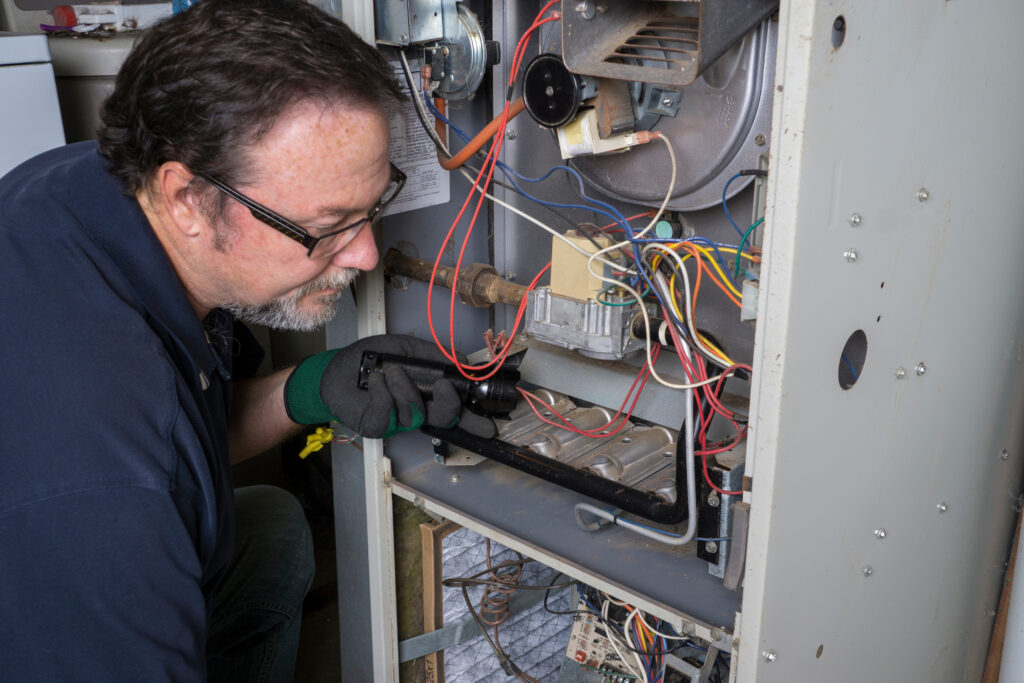
As temperatures begin to drop in New Jersey, your furnace becomes one of the most important systems in your home. After sitting relatively unused during warmer months, your heating system may develop problems that become noticeable when you turn it on for the first time in fall.
Waiting until the middle of winter to address furnace problems can leave your home without heat when you need it most. Recognizing the warning signs early can help you avoid unexpected breakdowns, improve comfort, and potentially prevent more expensive repairs.
Whether your furnace is making unusual noises, struggling to heat your home, or causing your energy bills to increase, these symptoms may indicate that your heating system needs professional attention.
In this guide, we’ll explain the most common signs your furnace needs to be repaired before winter, what may be causing these problems, and when it’s time to call an HVAC professional.
Why You Should Repair Your Furnace Before Winter
Your furnace works harder during the colder months, especially when temperatures remain low for extended periods. Small problems that may not seem urgent during mild weather can become more serious when your heating system runs frequently.
Scheduling furnace repairs before winter can help:
- Reduce the risk of unexpected heating breakdowns.
- Restore consistent temperatures throughout your home.
- Improve heating efficiency.
- Address unusual noises or odors.
- Identify worn or failing components.
- Reduce unnecessary strain on your heating system.
- Help maintain safe furnace operation.
Fall is an ideal time to inspect your furnace because HVAC technicians may have more flexibility before the busiest part of the heating season.
10 Signs Your Furnace Needs to Be Repaired Before Winter
1. Your Furnace Is Blowing Cold or Lukewarm Air
One of the most noticeable signs of a furnace problem is air coming from your vents that doesn’t feel warm enough.
Your furnace may run continuously without properly heating your home, or it may produce warm air briefly before switching to cooler air.
Possible causes include:
- Dirty or clogged air filters.
- Thermostat problems.
- Ignition system issues.
- Flame sensor problems.
- Gas supply issues.
- Malfunctioning heating components.
- Restricted airflow.
Before scheduling a repair, check your thermostat settings and replace a dirty air filter if necessary.
If your furnace continues blowing cold air or struggles to produce heat, an HVAC professional should inspect the system.
2. Your Furnace Makes Unusual Noises
Furnaces normally produce some sound while operating. However, sudden changes in noise or loud, unusual sounds may indicate a mechanical problem.
Pay attention to noises such as:
- Banging or popping: May be related to ductwork expanding and contracting, delayed ignition, or other mechanical issues.
- Rattling: Could indicate loose panels, screws, components, or debris.
- Squealing or screeching: May point to a worn blower motor, belt, or bearing.
- Grinding: Can indicate a problem with motor bearings or moving components.
- Humming: A loud or unusual hum may indicate an electrical or motor-related issue.
Don’t ignore new noises, especially if they become louder or more frequent.
A furnace that suddenly starts making unusual sounds may need repairs before it is relied upon for continuous heating.
3. Your Furnace Turns On and Off Frequently
Frequent cycling occurs when your furnace turns on, runs for a short period, shuts off, and then starts again shortly afterward.
This behavior is sometimes called short cycling.
Short cycling can prevent your home from reaching a comfortable temperature while increasing wear on your furnace.
Potential causes include:
- A dirty air filter restricting airflow.
- An improperly sized furnace.
- Thermostat placement or malfunction.
- Overheating caused by restricted airflow.
- Faulty safety switches.
- Problems with internal heating components.
If your furnace repeatedly starts and stops without completing a normal heating cycle, it should be inspected.
Replacing a clogged air filter may resolve some airflow-related problems, but persistent short cycling requires professional diagnosis.
4. Your Heating Bills Are Increasing

Have your heating bills increased even though your thermostat settings haven’t changed significantly?
A furnace that is losing efficiency may need to run longer to maintain the same indoor temperature.
Possible reasons include:
- Dirty furnace components.
- Restricted airflow.
- Failing blower motors.
- Thermostat problems.
- Poor combustion.
- Aging or worn heating components.
- Leaking or poorly insulated ductwork.
Higher energy costs can also result from colder weather, changes in utility rates, or increased household usage. However, an unexplained increase in heating costs may be a sign that your furnace needs attention.
An HVAC inspection can help determine whether the system is operating properly or consuming more energy than necessary.
5. Some Rooms Are Colder Than Others
If your furnace is running but certain rooms remain cold, your home may have uneven heating.
You might notice that:
- Bedrooms are colder than living areas.
- Upstairs rooms feel significantly warmer than downstairs.
- Some vents produce strong airflow while others barely blow air.
- Certain rooms never reach the thermostat’s set temperature.
Uneven heating may be caused by:
- Blocked or closed vents.
- Dirty air filters.
- Leaking ductwork.
- Improperly balanced duct systems.
- Blower motor problems.
- Thermostat placement.
- Insulation deficiencies.
Start by checking that vents are open and unobstructed by furniture, rugs, or curtains.
If the problem continues, your furnace, ductwork, or home’s heating distribution system may need professional attention.
6. You Notice Strange Smells Coming From Your Furnace
Odors coming from your furnace should never be ignored, especially if they persist after the system has been operating for a short time.
Different smells may indicate different problems.
Dusty smell: A brief dusty odor when turning on your furnace for the first time in fall may be normal as accumulated dust burns off. However, the smell should fade relatively quickly.
Burning or electrical smell: A persistent burning odor may indicate overheating, electrical problems, or damaged components.
Musty smell: May indicate moisture, mold-like growth, or contamination within the HVAC system or ductwork.
Gas or rotten egg smell: This may indicate a natural gas leak. Leave the building immediately. Do not operate lights, electrical switches, appliances, or anything that could create a spark. Contact your gas utility or emergency services from a safe location.
If you notice persistent or unusual odors, turn off the furnace if it is safe to do so and arrange for a professional inspection.
7. Your Furnace Takes Longer to Heat Your Home
A properly functioning furnace should be able to heat your home within a reasonable period, depending on outdoor temperatures, insulation, system size, and thermostat settings.
If your furnace seems to run much longer than usual without reaching the desired temperature, it may be struggling.
Possible causes include:
- Dirty air filters.
- Reduced airflow.
- Thermostat problems.
- Heating component issues.
- Leaking ductwork.
- Insufficient insulation.
- An undersized or aging furnace.
Longer operating times may also result from extremely cold weather. However, if your furnace consistently struggles to maintain your indoor temperature, it should be evaluated before winter.
8. Your Thermostat Isn’t Responding Properly
Your thermostat controls when your furnace turns on, how long it runs, and when it shuts off.
If the thermostat is not functioning properly, your furnace may not operate as expected.
Signs of thermostat problems include:
- The furnace doesn’t turn on when the temperature drops.
- The furnace continues running after the desired temperature is reached.
- The displayed temperature doesn’t match how the room feels.
- The thermostat display is blank.
- Temperature settings seem to change unexpectedly.
- Heating cycles are inconsistent.
Check the thermostat batteries if applicable, confirm that it is set to HEAT, and make sure the temperature is set above the current room temperature.
If the thermostat still doesn’t control your furnace correctly, the thermostat, wiring, or furnace control system may need to be inspected.
9. Your Furnace Is More Than 15 Years Old

Age alone doesn’t mean your furnace needs to be replaced. However, older heating systems may be more likely to experience component failures and efficiency problems.
Many furnaces last approximately 15 to 20 years, depending on the type of system, installation quality, maintenance, usage, and operating conditions.
If your furnace is approaching this age, pay attention to:
- Frequent repairs.
- Increasing heating costs.
- Unusual noises.
- Uneven heating.
- Difficulty maintaining temperatures.
- Parts that are becoming difficult to obtain.
If your furnace is older and has developed multiple problems, it may be worth comparing the cost of continued repairs with the cost of replacement.
An HVAC professional can help determine whether repairing your existing furnace is a reasonable option or whether upgrading to a newer system makes more sense.
10. Your Furnace Keeps Losing Power or Tripping a Breaker
If your furnace repeatedly loses power or causes a circuit breaker to trip, there may be an electrical problem.
Potential causes include:
- Electrical wiring problems.
- A failing blower motor.
- Damaged components.
- Short circuits.
- Overloaded circuits.
- Problems with the furnace control board.
A breaker that trips repeatedly is a warning sign. Do not continue resetting it to keep your furnace running.
Repeated breaker trips may indicate an electrical problem that needs to be diagnosed by a qualified HVAC technician or electrician.
What Causes Furnace Problems Before Winter?
Several factors can contribute to furnace problems when homeowners begin using their heating systems again.
Lack of Routine Maintenance
Furnaces require routine maintenance to keep components clean and operating properly.
Without regular maintenance, dust, dirt, and debris may accumulate in the system. Components may wear down, airflow may become restricted, and minor issues may go unnoticed.
A professional heating inspection can identify problems before they become unexpected breakdowns.
Dirty Air Filters
Air filters help capture dust, dirt, and airborne particles before they enter your heating system.
When filters become clogged, airflow may become restricted. This can cause your furnace to overheat, operate inefficiently, or shut down unexpectedly.
Check your air filter regularly and replace it according to the manufacturer’s recommendations and your household’s needs.
Homes with pets, higher dust levels, or frequent furnace use may require more frequent filter replacement.
Normal Wear and Tear
Furnace components experience wear as the system operates over the years.
Motors, sensors, ignitors, electrical components, and other parts may eventually need repairs or replacement.
Addressing worn components before winter can help reduce the likelihood of an unexpected failure during the coldest part of the season.
Thermostat or Electrical Problems
A malfunctioning thermostat, loose wiring, faulty control board, or electrical issue may prevent your furnace from operating correctly.
These problems can affect heating cycles, prevent the furnace from starting, or cause the system to shut down unexpectedly.
Electrical and control-system problems should be diagnosed by a qualified professional.
Furnace Repair vs. Furnace Replacement: Which Is Better?
When your furnace develops a problem, one of the biggest questions is whether to repair the existing system or replace it.
When Furnace Repair May Be the Better Option
Repairs may make sense when:
- Your furnace is relatively new.
- The problem involves a single replaceable component.
- The system has been properly maintained.
- Heating performance is otherwise satisfactory.
- Repair costs are reasonable compared with replacement.
For example, replacing a faulty thermostat, ignitor, flame sensor, or other individual component may restore normal operation without requiring a new furnace.
When Furnace Replacement May Be Worth Considering
Replacement may be worth evaluating when:
- Your furnace is approaching the end of its expected lifespan.
- Repairs are becoming increasingly frequent.
- Major components have failed.
- Heating bills have continued to increase.
- Your home has persistent comfort problems.
- The cost of repairs is substantial compared with replacement.
A professional evaluation can help you understand the condition of your furnace, the estimated repair costs, and the potential benefits of installing a newer system.
What Should You Do Before Turning On Your Furnace for the Winter?
Even if your furnace worked properly last winter, it is a good idea to perform a few basic checks before relying on it again.
Replace Your Furnace Filter
Start by checking your air filter. A dirty filter can restrict airflow, reduce heating performance, and contribute to overheating.
Replace it if it is dirty or due for replacement.
Test Your Thermostat
Set your thermostat to HEAT and raise the temperature above the current room temperature.
Confirm that your furnace starts and begins producing warm air. Allow the system to run long enough to make sure it is operating normally.
Check Your Vents
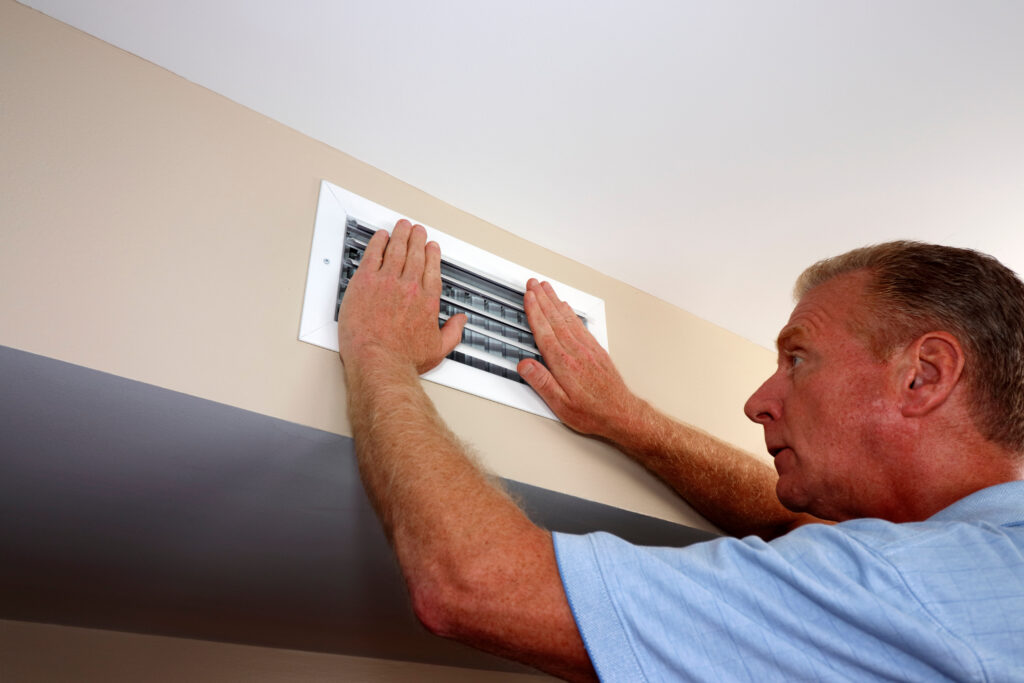
Make sure supply vents and return air grilles are open and unobstructed.
Furniture, curtains, rugs, and other objects can restrict airflow and affect how evenly your home heats.
Inspect the Area Around Your Furnace
Keep the area around your furnace clean and free of clutter.
Avoid storing flammable materials near heating equipment. Make sure access to the furnace is not blocked.
Check Smoke and Carbon Monoxide Detectors
Test your smoke and carbon monoxide detectors before the heating season.
Carbon monoxide is an odorless, colorless gas that can be dangerous or fatal. Fuel-burning heating equipment should be properly maintained, and carbon monoxide detectors should be installed and functioning according to applicable requirements.
If your carbon monoxide alarm activates, leave the building immediately and contact emergency services from a safe location.
Schedule Professional Furnace Maintenance
A professional furnace inspection can help identify worn components, airflow problems, ignition issues, electrical concerns, and other problems before winter.
Routine maintenance is especially important for older furnaces or systems that have experienced problems during previous heating seasons.
How Much Does Furnace Repair Cost?
Furnace repair costs depend on the type of problem, the parts required, the furnace model, and the complexity of the repair.
Some repairs may involve relatively inexpensive components, while major mechanical or electrical problems can cost considerably more.
Common factors affecting furnace repair costs include:
- Type of furnace and fuel source.
- Age and condition of the system.
- Parts required.
- Labor and diagnostic fees.
- Accessibility of furnace components.
- Emergency or after-hours service.
- Whether additional problems are discovered during inspection.
A professional diagnosis is the best way to determine what is wrong with your furnace and what repairs are necessary.
If your heating system is experiencing multiple issues, ask about the condition of the furnace and whether continued repairs or replacement would be the more practical long-term option.
Why Furnace Repairs Are Important for South Jersey Homeowners
Winter temperatures throughout South Jersey can drop significantly, making a reliable heating system essential for maintaining a comfortable home.
Homeowners in Hammonton, Folsom, Atco, Berlin, Williamstown, and surrounding communities should consider having their furnaces inspected before the colder weather arrives.
Older homes may have aging heating equipment, outdated thermostats, or ductwork that needs attention. Newer homes may also experience furnace problems caused by dirty filters, electrical issues, or a lack of routine maintenance.
Taking care of furnace problems early can help you avoid unexpected heating interruptions when temperatures drop.
Whether you need furnace troubleshooting, repairs, maintenance, or a replacement, preparing your heating system before winter can make a significant difference in your home’s comfort.
Frequently Asked Questions
How do I know if my furnace needs to be repaired?
Common signs include unusual noises, cold air coming from vents, frequent cycling, increasing heating bills, uneven temperatures, unusual odors, and difficulty maintaining your thermostat setting.
If your furnace is showing any of these symptoms, consider scheduling an inspection before winter.
How often should a furnace be serviced?
Most furnaces should receive professional maintenance at least once a year. Fall is an ideal time to schedule service before the heating season begins.
Regular maintenance helps identify potential problems, clean important components, and check system operation.
Why is my furnace blowing cold air?
A furnace blowing cold air may have a dirty air filter, thermostat issue, ignition problem, airflow restriction, or malfunctioning component.
Start by checking the thermostat settings and air filter. If the problem continues, have the furnace inspected.
Why does my furnace keep turning on and off?
Frequent cycling may be caused by restricted airflow, overheating, thermostat problems, improperly sized equipment, or faulty components.
A dirty filter may be the cause, but persistent short cycling should be professionally diagnosed.
Is it normal for my furnace to smell when I first turn it on?
A brief dusty smell when starting your furnace for the first time in fall may be normal. Dust accumulated during the summer may burn off as the system heats up.
However, persistent burning odors, electrical smells, or gas odors are not normal and should be addressed immediately.
If you smell gas, leave the building immediately and contact your gas utility or emergency services from a safe location.
How long does a furnace typically last?
Many furnaces last approximately 15 to 20 years, although lifespan varies depending on maintenance, installation, usage, and operating conditions.
Older furnaces may require more frequent repairs and may operate less efficiently than newer models.
Should I repair or replace my furnace?
If your furnace is relatively new and needs a minor repair, repairing it may be the most practical option.
If your system is older, requires frequent repairs, or has experienced a major component failure, replacement may be worth considering.
An HVAC professional can help evaluate the condition of your furnace and compare repair and replacement options.
Can a dirty air filter cause furnace problems?
Yes. A dirty air filter can restrict airflow, cause overheating, reduce heating efficiency, and contribute to furnace shutdowns or short cycling.
Checking and replacing your air filter regularly is one of the simplest ways to help maintain your heating system.
When should I schedule furnace repairs?
The best time to schedule furnace repairs is before winter, when your heating system begins showing warning signs.
Addressing problems during fall can help reduce the chance of unexpected breakdowns during freezing temperatures.
If your furnace stops working during winter, don’t delay scheduling service, especially if your home is becoming dangerously cold.
Final Thoughts

Your furnace plays an important role in keeping your home comfortable throughout the winter. Unusual noises, cold air, frequent cycling, rising heating bills, and inconsistent temperatures are all signs that your system may need attention.
Don’t wait until freezing temperatures arrive to address furnace problems. Scheduling repairs and maintenance before winter can help improve reliability, maintain comfort, and prevent unexpected heating issues.
If your furnace needs an inspection, repair, maintenance, or replacement, WYNNOW is here to help you manage your home heating and improvement needs throughout South Jersey. Also if you found this blog informative, please be sure to check out our social media pages on Facebook, Instagram and X!