

As summer winds down in New Jersey, homeowners have a valuable opportunity to take care of maintenance tasks before cooler temperatures arrive. After months of heat, humidity, thunderstorms, and heavy use of your home’s cooling systems, several parts of your property may need attention.
End-of-summer maintenance isn’t just about preparing for fall. Checking your home now can help identify small problems before they become larger, more expensive repairs during the colder months.
From your HVAC system and plumbing to electrical equipment, roofing, gutters, outdoor spaces, and seasonal equipment, this end-of-summer home maintenance checklist covers some of the most important areas NJ homeowners should consider.
Why End-of-Summer Home Maintenance Matters
New Jersey homes experience significant seasonal changes. Summer can bring high temperatures, humidity, heavy rain, thunderstorms, and extended use of air conditioning and outdoor equipment.
By late summer, you may notice:
- Air conditioners running longer or struggling to maintain the desired temperature
- Clogged or dirty HVAC filters
- Water around AC equipment
- Leaky outdoor faucets or hoses
- Gutters filled with leaves and debris
- Roof damage that became noticeable after summer storms
- Cracks around windows and doors
- Electrical equipment that has experienced heavy outdoor use
- Decks, patios, and fences showing signs of weathering
- Pool equipment requiring seasonal maintenance
Taking care of these issues before fall weather arrives can make the transition between seasons easier and help prevent avoidable problems.
1. Have Your AC System Checked
Your air conditioner has likely been working hard throughout the summer. Before you stop relying on it regularly, take a few minutes to check its condition.
Start by checking the air filter. A dirty filter can restrict airflow and make your HVAC system work harder. If the filter is disposable, replace it according to the manufacturer’s recommendations.
You should also check:
- Supply vents and return vents for obstructions
- The outdoor condenser for leaves, grass, and debris
- Unusual noises or odors
- Water around the indoor equipment
- Whether the system is cooling consistently
- Whether the AC is running much longer than usual
If your system has been struggling throughout the summer, scheduling professional home maintenance before the heating season can be a good way to identify potential issues.
Don’t Ignore a Problem Just Because Summer Is Ending
An AC problem doesn’t necessarily disappear when temperatures begin to drop. A refrigerant issue, electrical problem, airflow restriction, drainage problem, or mechanical component that is already showing signs of wear may become a larger repair later.
A professional HVAC inspection can help determine whether your system needs maintenance or repair.
2. Prepare Your Heating System
While your attention may still be on air conditioning, fall is a good time to think about your heating system.
If you have a furnace, boiler, heat pump, or other heating equipment, inspect the system before you need it regularly.
Look for:
- Unusual odors
- Strange noises
- Poor airflow
- Problems with the thermostat
- Visible damage
- Previous heating issues that were never repaired
- Filters that need replacement
If your heating system has not been serviced recently, scheduling maintenance before the first major cold spell can help you avoid discovering a problem when you need heat the most.
3. Inspect Your Gutters and Downspouts
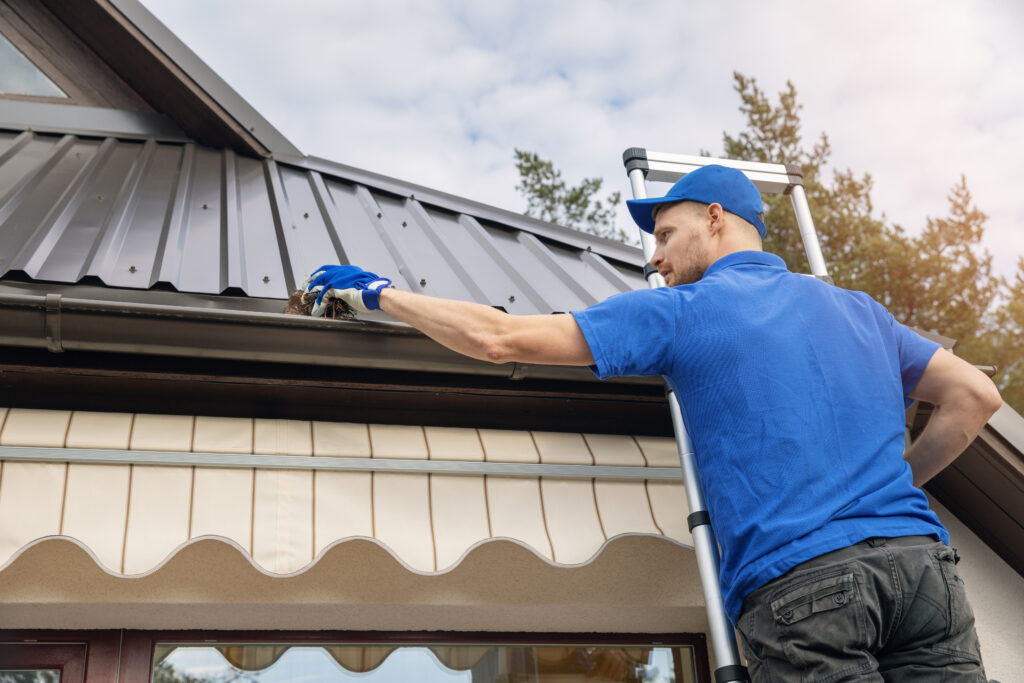
Summer thunderstorms can leave gutters full of leaves, twigs, and other debris. Clogged gutters can prevent rainwater from draining properly and may contribute to water flowing against the roofline, siding, foundation, or landscaping.
Check that:
- Gutters are free of significant debris
- Downspouts are securely connected
- Water can flow freely through the system
- Downspouts direct water away from the foundation
- Gutters are not sagging or pulling away from the house
- There are no obvious leaks
Fall leaves can add even more debris, so addressing gutter problems before the leaves begin accumulating can make seasonal maintenance easier.
4. Check Your Roof After Summer Storms
Summer storms can expose or cause roofing problems. High winds, heavy rain, and falling branches can damage shingles, flashing, vents, or other roof components.
From the ground, look for:
- Missing or damaged shingles
- Loose flashing
- Damaged vents
- Accumulated debris
- Sagging areas
- Signs of water intrusion in the attic or upper levels
Avoid climbing onto the roof if you are not properly equipped and experienced. A professional roofing inspection can provide a closer look at areas that are difficult or unsafe to inspect yourself.
Check the Attic Too
Your attic can provide clues about roofing or ventilation problems. Look for signs such as:
- Damp insulation
- Water stains
- Mold or mildew growth
- Musty odors
- Visible daylight where it should not be
- Excessive moisture
Finding these issues early can help prevent more extensive damage.
5. Check for Plumbing Leaks
Summer can put additional use on certain plumbing fixtures and outdoor water connections. Before fall arrives, inspect areas around your home for signs of leaks.
Check:
- Kitchen and bathroom faucets
- Toilets
- Under-sink plumbing
- Washing machine connections
- Outdoor faucets
- Hose connections
- Irrigation components
- Water heater connections
Even a small leak can waste water and potentially cause damage if it continues unnoticed.
Pay Attention to Your Outdoor Faucets
Outdoor faucets and hose connections are especially important as temperatures begin to fall. Disconnect hoses and inspect the faucet for leaks or damage.
If you have an exterior plumbing connection that has leaked during the summer, address it before freezing temperatures arrive.
6. Inspect Your Water Heater
Your water heater works year-round, but seasonal maintenance is a good opportunity to check its condition.
Look around the unit for:
- Water leaks
- Rust or corrosion
- Unusual noises
- Problems with hot-water availability
- Moisture around connections
If your water heater is making unusual sounds or showing signs of leakage, have it evaluated by a qualified professional.
7. Test Your Smoke and Carbon Monoxide Detectors
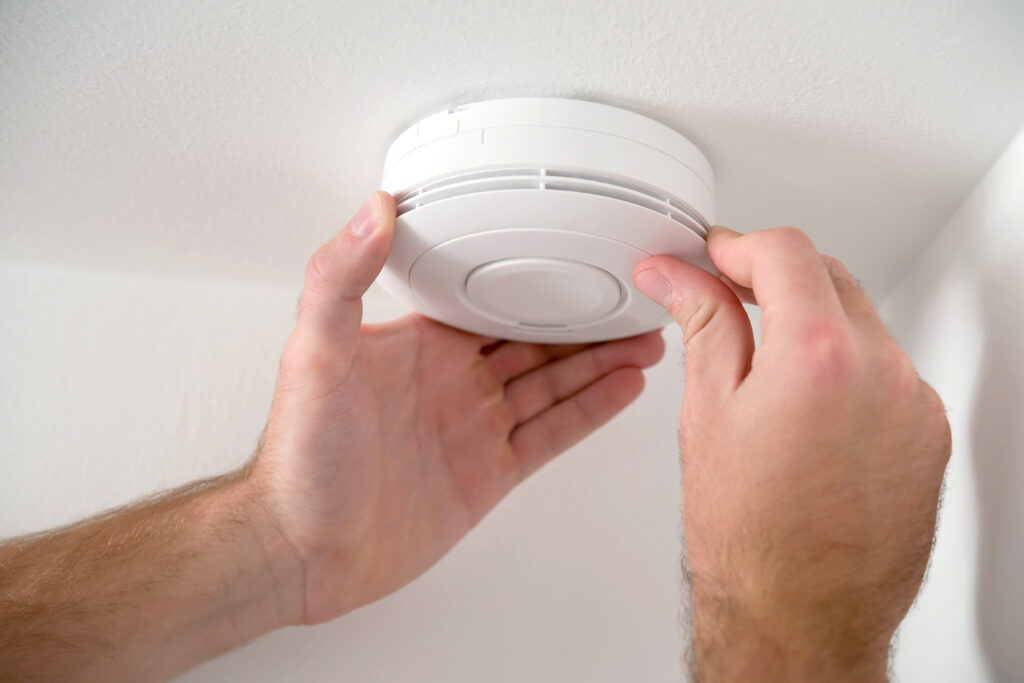
Smoke and carbon monoxide detectors are essential year-round, but changing seasons provide a convenient reminder to test them.
Check that:
- Smoke detectors respond when tested
- Carbon monoxide detectors respond when tested
- Batteries are replaced when needed
- Devices are installed in appropriate locations
- Expired or outdated units are replaced according to manufacturer recommendations
If your detectors are hardwired, don’t assume they never need attention. Test them according to the manufacturer’s instructions.
8. Inspect Your Electrical System
Summer often means increased electrical demand from air conditioners, pool equipment, outdoor lighting, fans, appliances, and other equipment.
Before fall, take a look around your home for signs of electrical problems.
Watch for:
- Frequently tripping breakers
- Flickering lights
- Warm or discolored outlets
- Buzzing or crackling sounds
- Loose outlets
- Extension cords that have been damaged
- Outdoor electrical equipment showing signs of damage
Don’t ignore recurring breaker trips. A breaker that repeatedly trips may indicate an overloaded circuit, a faulty appliance, or another electrical issue.
If you notice signs of an electrical problem, have the system evaluated by a qualified electrician rather than attempting repairs yourself.
9. Check Outdoor Electrical Equipment
Pools, patios, decks, landscaping, and outdoor entertaining areas can involve several electrical components.
Inspect outdoor lighting, receptacles, pool equipment, and other electrical equipment for visible damage.
Outdoor electrical devices should be appropriately rated and protected for their environment. Keep electrical connections away from standing water and don’t use damaged cords or equipment.
If something looks damaged or unsafe, stop using it until it can be properly evaluated.
10. Inspect Windows and Doors
Before colder weather arrives, check your windows and exterior doors for obvious air leaks.
Look for:
- Damaged weatherstripping
- Cracked caulk
- Gaps around frames
- Drafts
- Damaged screens
- Doors that do not close properly
- Condensation or moisture problems
Sealing obvious gaps can help improve comfort as temperatures change.
If you notice significant drafts or deteriorated windows, you may want to consider whether repair, weatherization, or replacement makes sense for your home.
11. Check Your Home’s Insulation and Attic Ventilation
Your attic plays an important role in both summer and winter comfort.
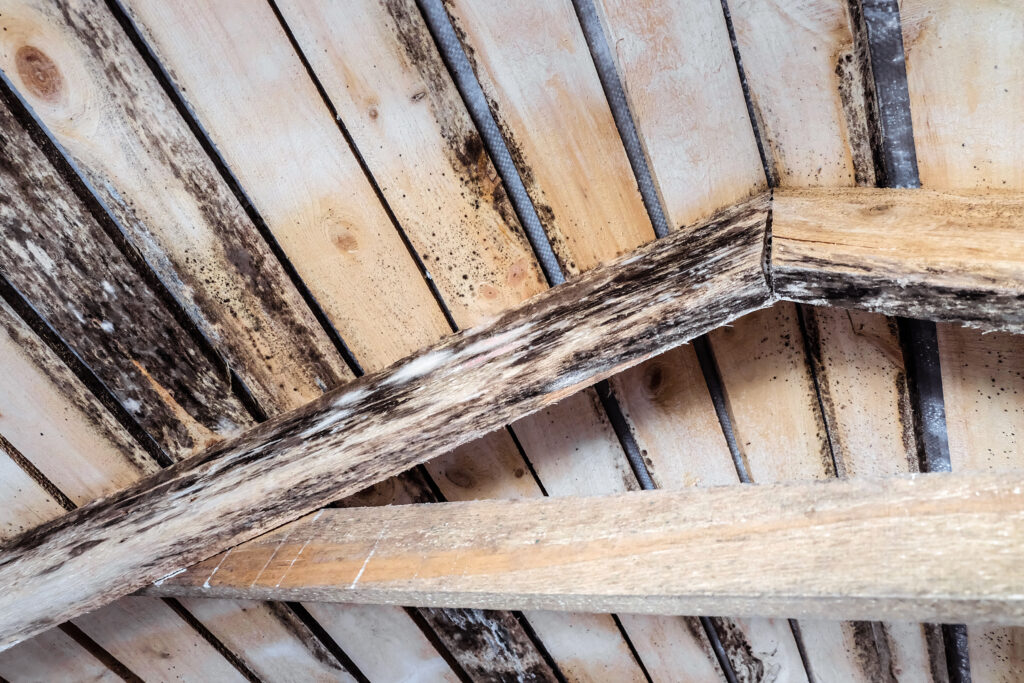
After a hot and humid summer, check for signs that your attic may have moisture or ventilation problems.
Consider having the attic evaluated if you notice:
- Excessive heat
- Damp insulation
- Musty odors
- Mold or mildew
- Inconsistent indoor temperatures
- High heating or cooling costs
- Ice-dam concerns from previous winters
Proper insulation and ventilation can contribute to a more comfortable and energy-efficient home, but the right solution depends on the home’s construction and existing conditions.
12. Inspect Your Deck, Patio, and Outdoor Living Areas
Summer is hard on outdoor structures. Sun exposure, rain, humidity, and frequent use can cause materials to weather over time.
Inspect your deck or patio for:
- Loose boards
- Cracked or deteriorated materials
- Loose railings
- Protruding fasteners
- Soft or damaged wood
- Surface deterioration
- Structural concerns
If you have a wooden deck, check whether it needs cleaning, sealing, staining, or repairs.
Pay particular attention to railings and stairs because these areas receive frequent use and should remain secure.
13. Take Care of Your Pool Before Closing It
If you have a swimming pool, end-of-summer maintenance is especially important before closing it for the season.
Depending on your pool and equipment, tasks may include:
- Testing and balancing water chemistry
- Cleaning the pool
- Cleaning the filter
- Inspecting the pump
- Preparing plumbing for colder temperatures
- Checking the pool heater
- Inspecting pool electrical equipment
- Cleaning around the pool
- Installing and securing the pool cover
Don’t simply put the cover on and forget about the equipment. Proper seasonal preparation can help protect the pool and its components during the offseason.
14. Check Your Sump Pump
Heavy summer rain can put your sump pump to work, making the end of summer a good time to confirm that it is functioning properly.
Check that:
- The pump activates when water rises
- The discharge line is connected
- Water is directed away from the foundation
- The pump basin is free of debris
- Backup equipment, if present, is operational
A sump pump problem can become particularly concerning during a major rainstorm, so addressing an issue before the next heavy rainfall can be worthwhile.
15. Inspect Your Basement and Foundation
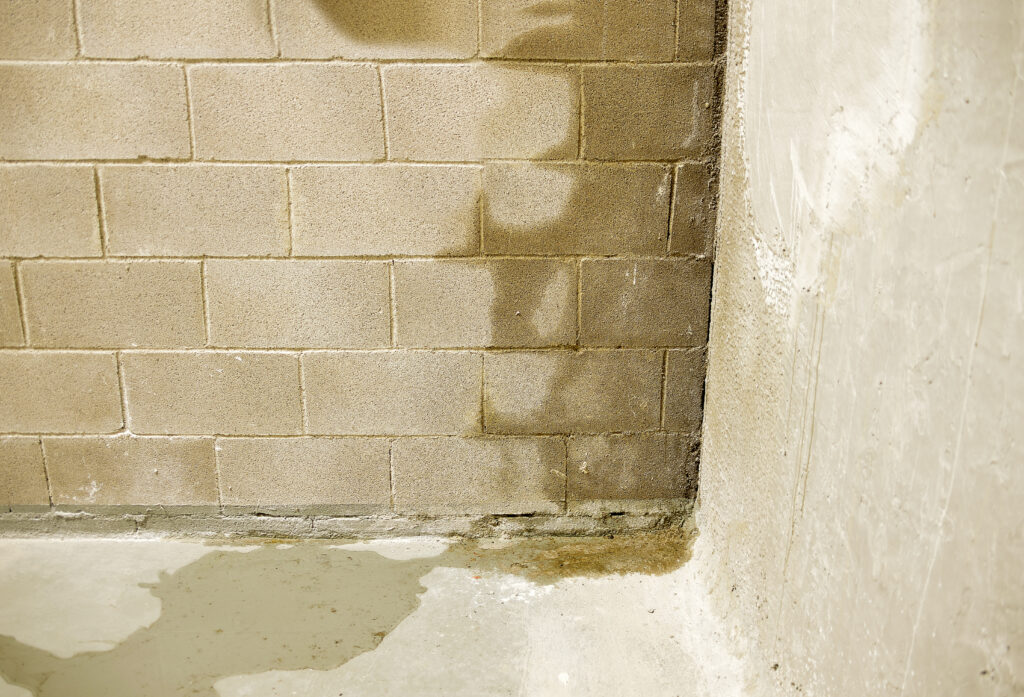
Walk around your basement and foundation looking for signs of moisture.
Watch for:
- Damp spots
- Water stains
- Cracks
- Musty odors
- Mold or mildew
- Water around windows
- Standing water
- Efflorescence or mineral deposits
Not every crack indicates a serious structural problem, but changes in cracks, recurring water intrusion, or significant moisture should be evaluated by an appropriate professional.
16. Check Your Exterior Caulking and Sealants
Caulking around windows, doors, siding penetrations, and other exterior areas can deteriorate over time.
Inspect visible sealants for:
- Cracking
- Shrinking
- Gaps
- Peeling
- Separation from the surrounding surface
Replacing deteriorated exterior caulk can help keep water and outdoor air from entering through small openings.
17. Clean and Store Summer Equipment
End-of-summer maintenance also means taking care of the equipment you won’t use as often during fall and winter.
Depending on your property, this may include:
- Lawn and garden equipment
- Pool equipment
- Outdoor furniture
- Hoses
- Fans
- Grills
- Seasonal decorations
- Extension cords
- Outdoor tools
Clean equipment before storing it and follow the manufacturer’s recommendations for offseason storage.
18. Look Around Your Property for Storm Damage
Don’t limit your inspection to the house itself.
Walk around the property and look for:
- Fallen or damaged branches
- Loose fencing
- Damaged siding
- Cracked concrete
- Standing water
- Erosion
- Damaged outdoor structures
- Problems with drainage
Summer storms can cause damage that isn’t immediately obvious from inside the home.
19. Make a Fall and Winter Repair List
One of the easiest ways to stay organized is to separate your findings into three categories:
Address Now
These are problems that could cause damage or create a safety concern if ignored, such as active leaks, electrical hazards, significant roof damage, or heating problems.
Schedule Soon
These may not require immediate attention but should be addressed before colder weather, such as HVAC maintenance, gutter repairs, exterior sealing, or plumbing issues.
Plan for Later
These are improvements that can be researched and budgeted for over time, such as replacing older windows, upgrading insulation, renovating a bathroom, or completing larger outdoor projects.
Creating this list can make home maintenance much more manageable.
When Should You Schedule Professional Home Maintenance?
You don’t necessarily need a professional for every item on an end-of-summer checklist. Many basic inspections and cleaning tasks can be handled by homeowners.
Professional help is appropriate when a task involves specialized equipment, electrical systems, HVAC components, roofing, plumbing repairs, structural concerns, or anything that could create a safety risk.
Consider scheduling service if you notice:
- An AC or heating system that isn’t operating normally
- Recurring plumbing leaks
- Electrical problems
- Roof damage
- Water intrusion
- Persistent drainage problems
- Damaged decks, railings, or structures
- Equipment that requires professional inspection or repair
Addressing problems while they are still manageable can be preferable to waiting until the issue becomes an emergency.
End-of-Summer Home Maintenance for South Jersey Homeowners
South Jersey homeowners deal with a combination of summer heat, humidity, thunderstorms, coastal weather influences, and changing temperatures as fall approaches. Homes in Hammonton, Folsom, Atco, Berlin, Winslow Township, and Williamstown can all benefit from a seasonal inspection of HVAC systems, plumbing, electrical equipment, roofing, drainage, and outdoor structures.
Local conditions can vary from property to property, so your maintenance priorities may depend on the age of your home, its construction, the surrounding landscape, and the equipment installed on the property.
The most important thing is to address noticeable problems rather than assuming they will resolve themselves when summer ends.
Final Thoughts

End-of-summer maintenance is a great opportunity to take a step back and look at your home as a whole. Instead of waiting for the first cold snap, heavy fall storm, or unexpected equipment failure, use the transition between seasons to identify problems and plan upcoming repairs.
You don’t have to complete every project in one weekend. Start with safety concerns and issues that could lead to property damage, then work through routine maintenance and longer-term improvements.
A little preparation now can make your home more comfortable and easier to maintain throughout the fall and winter.
If you need help with HVAC, plumbing, electrical, roofing, handyman services, or other home maintenance needs, WYNNOW is here to help you throughout South Jersey. Also if you found this blog informative, please be sure to check us out on Facebook, Instagram and X!