

Many homeowners assume roof problems only become serious once a leak appears—but by the time water is making its way inside, damage may already be well underway. This is especially true for homes in Hammonton, Folsom, Buena, and Mays Landing, where changing seasons, strong storms, and temperature swings can put extra stress on roofing materials.
Your roof often gives warning signs long before a leak develops. Catching these issues early can help prevent expensive repairs, interior damage, and even premature roof replacement.
Here are the most common signs your roof may need attention before it starts leaking.
1. Missing, Cracked, or Curling Shingles
Shingles are your roof’s first line of defense against the elements. Over time, weather, age, and temperature changes can weaken them.
Watch for:
- Missing shingles after storms
- Cracked or broken edges
- Curling corners or lifted sections
- Uneven appearance across the roof
Damaged shingles allow moisture to reach underlying materials, increasing the risk of future leaks.
2. Granules Collecting in Gutters
If you notice dark, sand-like particles in your gutters or near downspouts, your shingles may be deteriorating.
Granules help protect shingles from UV rays and weather exposure. As they wear away, the roof becomes more vulnerable to damage.
This is especially common with older roofs nearing the end of their lifespan.
3. Water Stains in the Attic
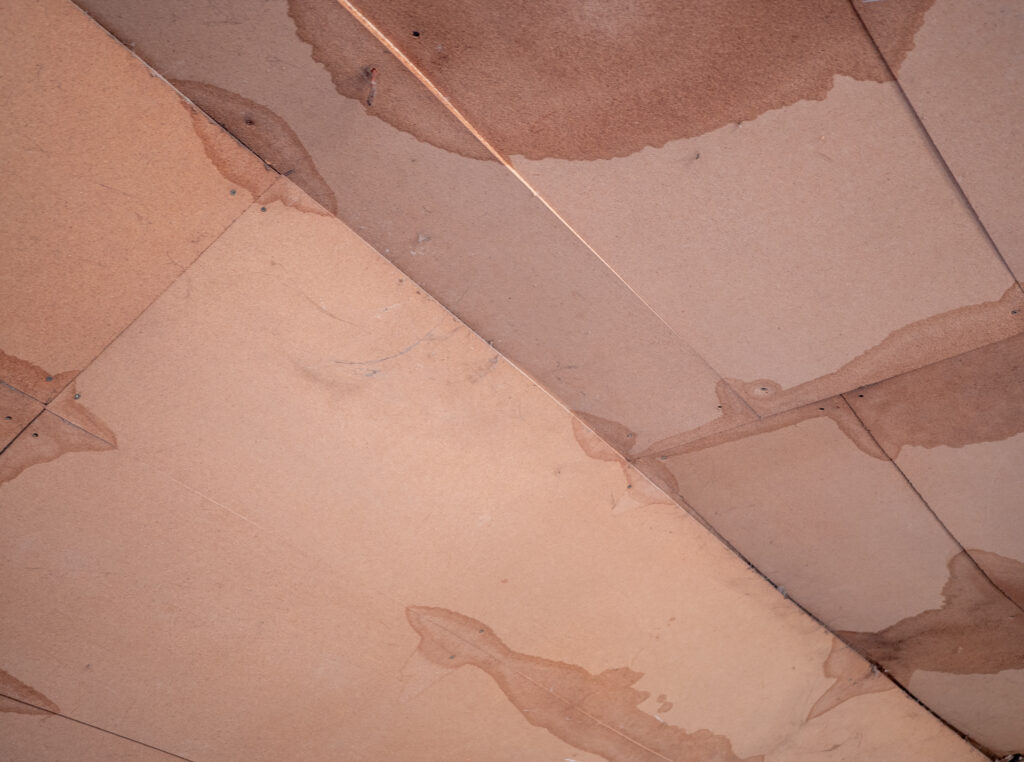
Even if you don’t see water inside your living space, your attic may reveal early warning signs.
Look for:
- Dark stains on wood
- Damp insulation
- Mold or mildew growth
- Musty odors
These can indicate moisture intrusion before it reaches ceilings and walls.
4. Sagging Areas on the Roof
A roof should have a consistent shape and appearance.
If you notice dips, waves, or sagging sections, it may indicate:
- Moisture damage beneath the surface
- Structural weakening
- Trapped water
Sagging should be inspected quickly, as it can worsen over time.
5. Flashing Damage Around Roof Features
Flashing seals vulnerable areas around chimneys, vents, skylights, and roof transitions.
If flashing becomes loose, cracked, or corroded, water can find its way underneath roofing materials.
Inspect areas around:
- Chimneys
- Vent pipes
- Skylights
- Roof valleys
Small flashing repairs can prevent much larger problems later.
6. Moss, Algae, or Excessive Growth
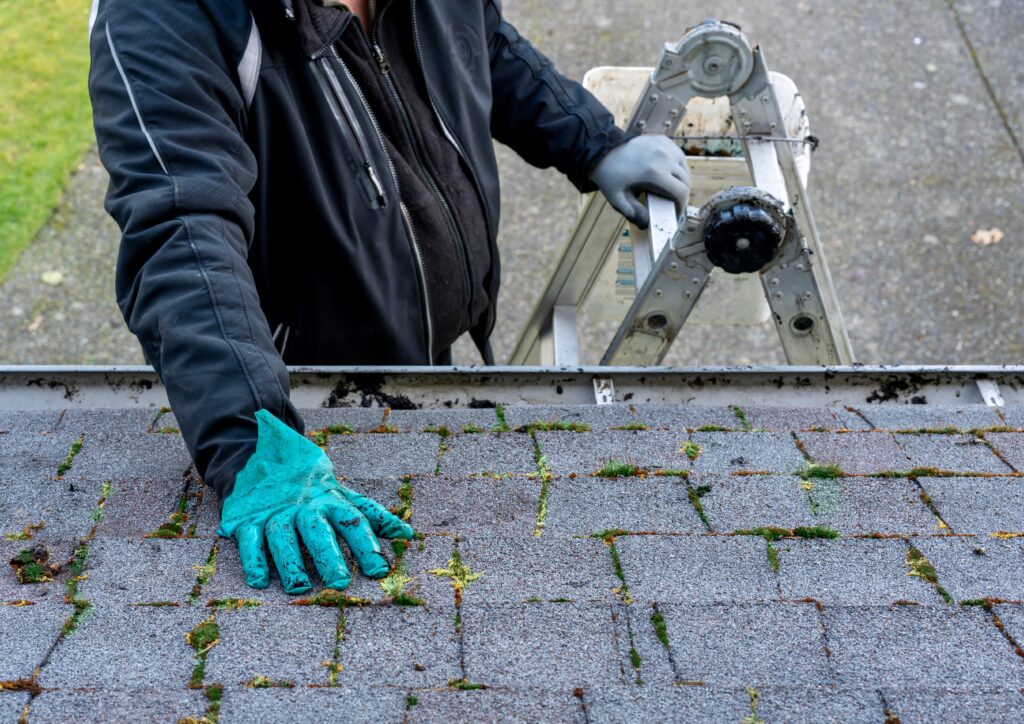
Organic growth on a roof is more than a cosmetic issue.
Moss can trap moisture against shingles, while algae may indicate areas that stay damp for long periods.
Over time this can:
- Shorten roof life
- Increase moisture exposure
- Contribute to material deterioration
Cleaning and maintenance help protect roofing materials.
7. Higher Energy Bills
A damaged roof can affect more than weather protection—it can impact efficiency too.
If warm or cool air escapes through compromised roofing or ventilation, your HVAC system may work harder than necessary.
Unexpected increases in energy usage can sometimes point to hidden roof issues.
8. Storm Damage That Looks Minor
Not all storm damage is obvious. Wind, hail, and heavy rain can loosen materials without causing immediate leaks.
After major weather events, inspect for:
- Lifted shingles
- Debris impact
- Loose flashing
- Damaged gutters
Small roof repairs completed early often prevent larger restoration work later.
Don’t Wait for a Leak

A leaking roof is usually the result of a problem that started weeks, months, or even years earlier. The sooner you catch warning signs, the easier—and often less expensive—the roof repair process becomes. Routine inspections and preventative maintenance can help extend roof life and protect your home from avoidable damage.
Think your roof may need attention? Wynnow has trusted roofing professionals for inspections, repairs, and replacements. Financing options may be available for qualifying repairs and roof replacements. Contact us today to address roof issues before they turn into costly leaks. Also if you found this blog helpful, please be sure to check us out on Facebook, Instagram and X for more!