

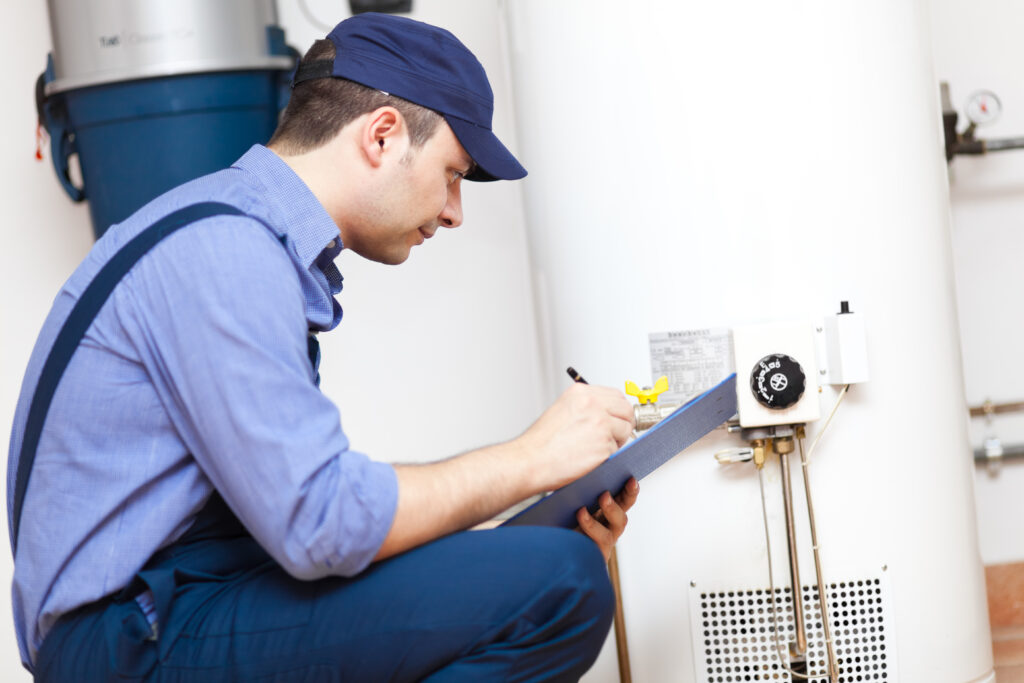
Your water heater is one of the hardest-working appliances in your home—yet it’s often ignored until something goes wrong. Unfortunately, water heaters rarely fail without warning. In many cases, they give off clear signs long before a breakdown or leak occurs.
Recognizing these warning signs early can help you avoid cold showers, water damage, and costly emergency repairs. Here are seven signs your water heater may be nearing the end of its lifespan—and what you should do if you notice them.
1. Inconsistent or Lukewarm Water
If your hot water runs out faster than usual or never gets truly hot, it could indicate:
- Failing heating elements
- Sediment buildup in the tank
- A system that’s no longer sized properly for your household
What to do: If flushing the tank doesn’t improve performance, it may be time for professional inspection or replacement.
2. Rusty or Discolored Water
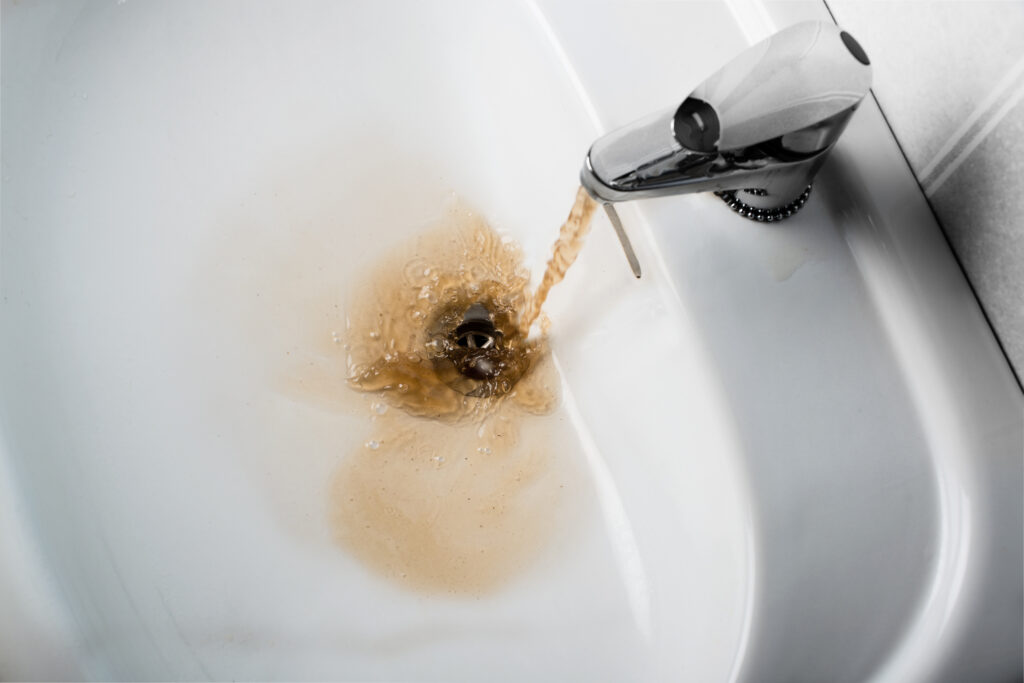
Brown, red, or cloudy water coming from your hot tap often means corrosion inside the tank. Once rust starts forming internally, replacement is usually inevitable.
What to do: Have a professional check whether the corrosion is internal or limited to a pipe connection.
3. Strange Noises from the Tank
Popping, rumbling, or banging sounds are often caused by hardened sediment at the bottom of the tank. This forces the unit to work harder and can lead to overheating and failure.
What to do: A professional flush may help—but excessive noise often signals a tank nearing the end of its life.
4. Water Pooling Around the Unit
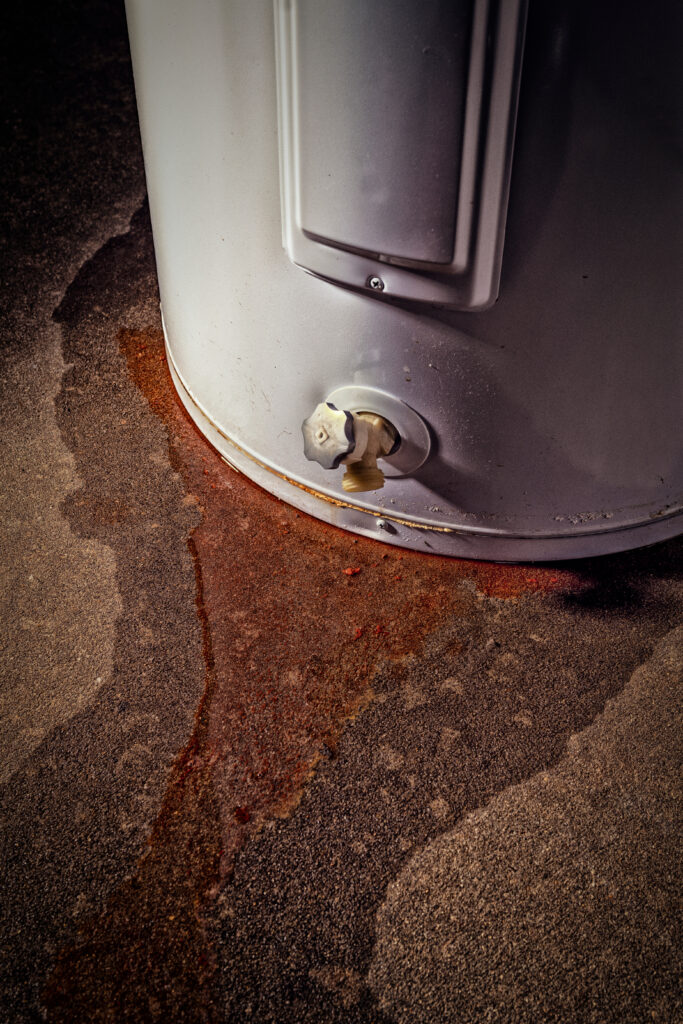
Even small puddles or moisture around the base of the water heater can be a serious red flag. Cracks in the tank often start small and worsen quickly.
What to do: Turn off the power or gas supply and call for service immediately to prevent water damage.
5. Fluctuating Water Pressure
Mineral buildup inside the tank or connected pipes can restrict water flow, reducing pressure throughout your home.
What to do: A professional inspection can determine whether cleaning or replacement is the better long-term solution.
6. The Water Heater Is Over 10 Years Old
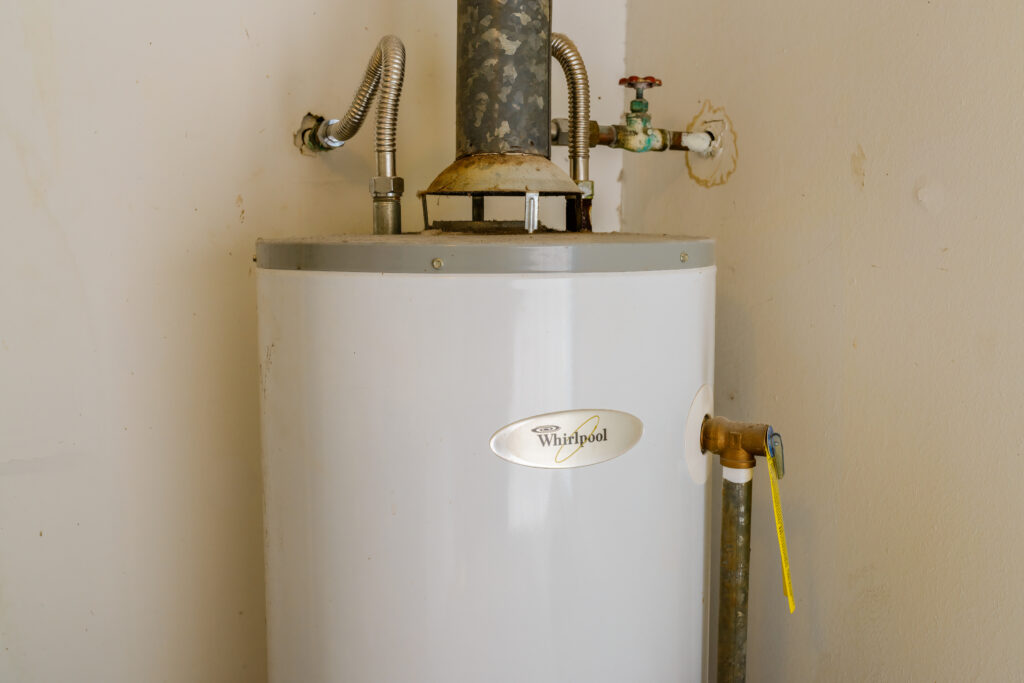
Most traditional tank water heaters last 8–12 years. If yours is approaching or beyond that range, the risk of failure increases significantly—even if it seems to be working fine.
What to do: Consider proactive replacement to avoid emergency breakdowns.
7. Higher Energy Bills Without Explanation
An aging water heater becomes less efficient over time, using more energy to produce the same amount of hot water.
What to do: An upgrade to a newer, energy-efficient model can lower utility costs and improve reliability.
What Should You Do If You Notice These Signs?

Ignoring water heater problems can lead to sudden failure, flooding, and expensive repairs. Early diagnosis gives you options—whether that’s maintenance, repair, or replacement.
At Wynnow, our experienced professionals help homeowners:
- Evaluate water heater condition
- Recommend repair vs. replacement
- Install energy-efficient upgrades
- Prevent emergency failures
Final Thoughts
Water heater problems don’t usually happen overnight—they build over time. Paying attention to early warning signs can save you stress, money, and major inconvenience.
If your water heater is showing any of these symptoms, addressing the issue sooner rather than later can make all the difference. Be sure to also check us out on Facebook, Instagram and X for more if you found this blog helpful!