

Winter can be tough on your home’s plumbing system. Freezing temperatures, increased usage, and hidden wear can all lead to issues that don’t become obvious until the weather warms up. Spring is the perfect time to inspect your plumbing, catch small problems early, and avoid costly repairs down the line.
Here’s what every homeowner should check as part of their spring plumbing prep.
1. Check for Leaks and Hidden Damage
Freezing and thawing cycles can weaken pipes and connections, leading to small leaks that may go unnoticed.
Look for:
- Damp spots under sinks
- Water stains on ceilings or walls
- Musty odors or signs of mold
- Dripping faucets or visible pipe leaks
Even a small leak can waste water and lead to bigger structural issues if ignored.
2. Inspect Outdoor Faucets and Hose Bibs
Outdoor plumbing is especially vulnerable to winter damage.
Turn on your outdoor faucets and check for:
- Cracks or leaks around the spigot
- Weak water pressure
- Water leaking inside your home when the faucet is on
If you notice any of these issues, it could indicate a damaged pipe behind the wall from freezing temperatures.
3. Test Your Water Pressure
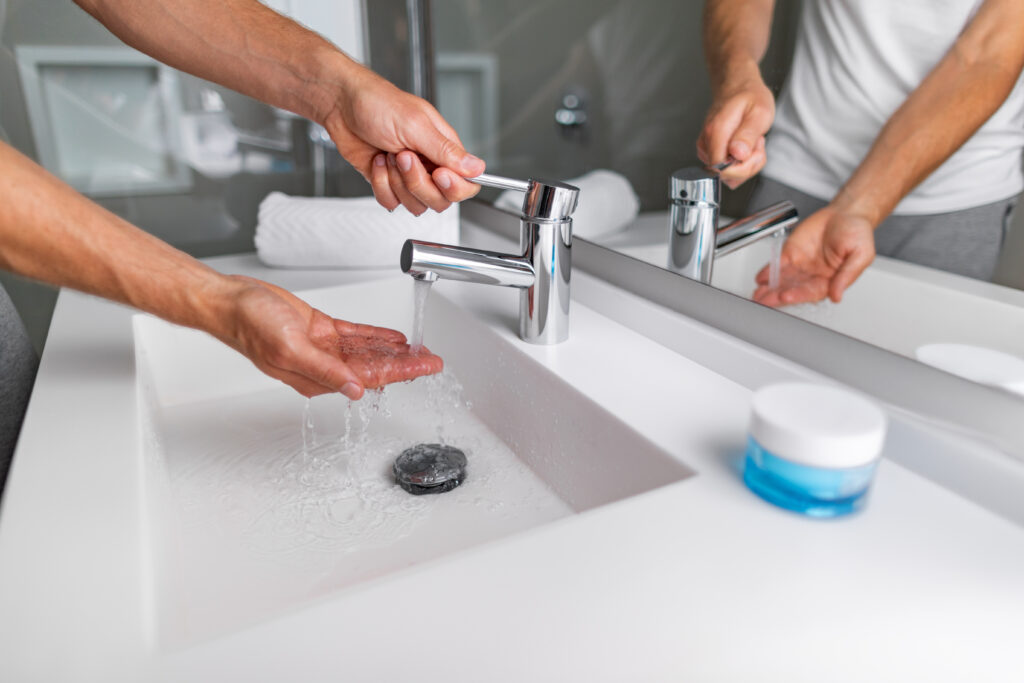
Changes in water pressure can signal underlying plumbing problems.
- Low pressure may indicate leaks, sediment buildup, or pipe damage
- High pressure can strain pipes and appliances, increasing the risk of failure
A simple pressure check can help ensure your system is running efficiently and safely.
4. Flush and Maintain Your Water Heater
Your water heater works hard during the winter months, and sediment buildup can reduce its efficiency.
Spring is a great time to:
- Flush the tank to remove sediment
- Check for rust or corrosion
- Inspect for unusual noises or inconsistent water temperatures
Routine maintenance can extend the life of your water heater and improve performance.
5. Check Drains and Clear Blockages
After months of heavy use, your drains may be slower than usual.
Watch for:
- Slow draining sinks or tubs
- Gurgling sounds
- Unpleasant odors
Use safe cleaning methods or schedule a professional drain cleaning to keep everything flowing smoothly.
6. Inspect Your Sump Pump
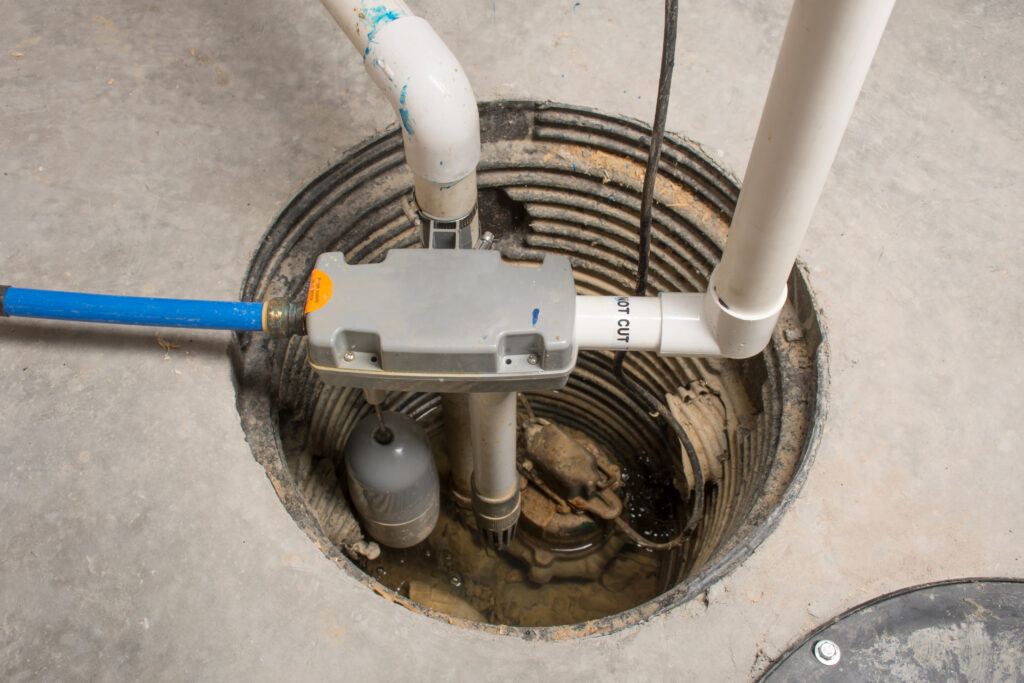
Spring often brings heavy rain, making your sump pump critical for preventing basement flooding.
Test it by:
- Pouring water into the pit to ensure it activates
- Checking that it drains properly
- Listening for unusual noises
A working sump pump can save you from costly water damage during spring storms.
7. Look for Signs of Sewer Line Issues
Tree roots grow aggressively in spring and can invade underground pipes.
Be alert for:
- Multiple slow drains throughout the home
- Sewage odors
- Backups in toilets or drains
Early detection can prevent major sewer line repairs.
8. Inspect Irrigation Systems and Sprinklers
If you have a lawn irrigation system, it’s time to bring it back online:
- Check for broken or misaligned sprinkler heads
- Look for leaks in exposed lines
- Test zones to ensure even coverage
Proper irrigation keeps your landscaping healthy while preventing water waste.
Don’t Wait Until a Small Problem Becomes a Big One

Spring plumbing maintenance is all about prevention. Catching minor issues now can save you from emergency repairs, water damage, and higher utility bills later in the year.
If you’re unsure what to look for—or want peace of mind—a professional inspection can ensure your system is ready for the season ahead.
Need help getting your plumbing ready for spring? Wynnow offers expert plumbing inspections, repairs, and maintenance to keep your home running smoothly. Contact us today to schedule your spring service and avoid costly surprises. If you found this blog helpful, please also check us out on Facebook, Instagram and X for more!