


As fall transitions into winter in New Jersey, your roof becomes your home’s first line of defense against colder temperatures, heavy rain, strong winds, snow, and ice. Taking the time to prepare your roof before winter arrives can help protect your home from leaks, water damage, and costly repairs.
While your roof may look perfectly fine from the ground, summer heat, fall storms, and seasonal temperature changes can expose small problems that become more serious during winter.
Whether your home has asphalt shingles, metal roofing, or another roofing material, proper seasonal maintenance can help extend its lifespan and keep it performing properly. From inspecting shingles and cleaning gutters to checking flashing and attic ventilation, there are several ways to prepare your roof for the colder months ahead.
Why Is It Important to Prepare Your Roof for Fall and Winter?
Fall is an ideal time to prepare your roof because summer heat, thunderstorms, and seasonal temperature changes may have already caused wear or damage.
Once winter arrives, repairs can become more difficult. Freezing temperatures, snow, ice, and wet surfaces can make roof work more challenging and increase the risk of additional damage.
Preparing your roof in the fall can help:
- Identify loose, cracked, or missing shingles.
- Prevent water from entering through damaged roofing materials.
- Reduce the risk of ice dams.
- Improve drainage around your roof.
- Identify damaged flashing and roof penetrations.
- Catch minor problems before they become major repairs.
- Protect attic insulation and interior ceilings from moisture.
A small roofing issue may not seem urgent during mild weather. However, repeated exposure to rain, freezing temperatures, and winter storms can make existing damage worse.
1. Inspect Your Roof for Damaged or Missing Shingles
One of the first steps to prepare your roof for winter is checking the condition of your shingles.
Your shingles provide an important protective barrier against rain, snow, and wind. Over time, they can become damaged by weather, falling branches, aging, and normal wear.
Before winter, inspect your roof from the ground for visible signs of damage.
Look for:
- Missing shingles.
- Cracked or curling shingles.
- Shingles with lifted edges.
- Bald spots where protective granules are missing.
- Shingles that appear loose or uneven.
- Roofing materials scattered around your property.
Strong fall winds can lift shingles and weaken their attachment to the roof. Even a small opening can allow water to enter beneath the roofing materials.
Why Damaged Shingles Matter During Winter
When shingles are missing or damaged, rain and melting snow may reach the underlying roof structure.
As temperatures fluctuate, moisture can freeze and expand in vulnerable areas. This may contribute to additional deterioration and allow water to travel into the attic or ceiling.
If you notice missing shingles or other visible damage, arrange for a roofing professional to inspect the affected area.
Avoid climbing onto your roof to investigate. Roofing surfaces can be slippery, and damaged sections may not safely support your weight.
2. Clean Your Gutters and Downspouts
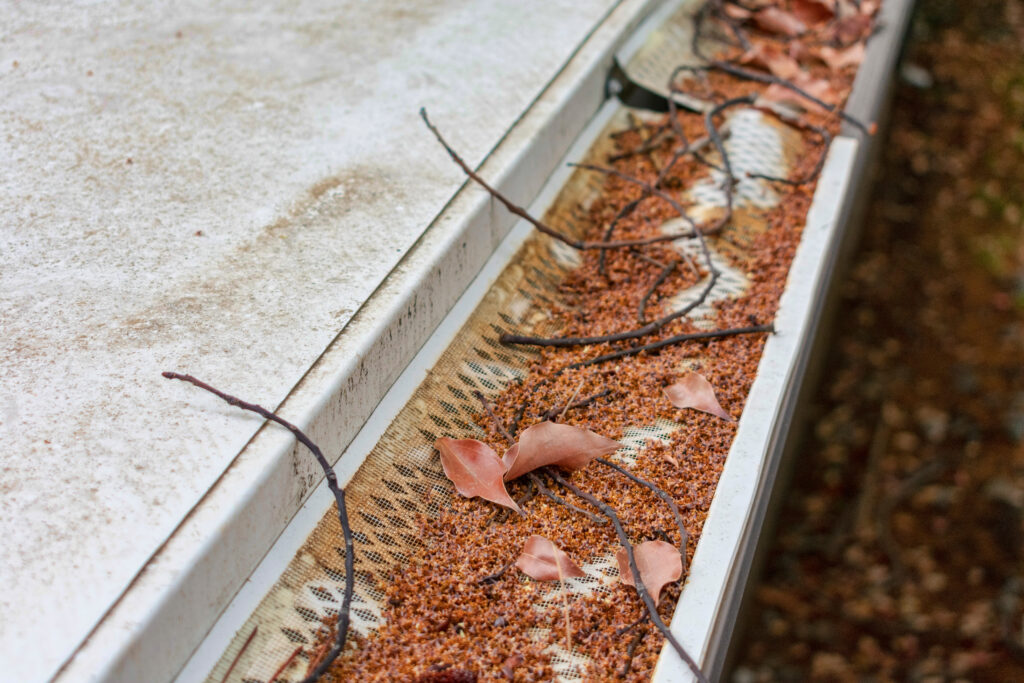
Cleaning your gutters is one of the most important ways to prepare your roof for fall and winter.
During autumn, leaves, twigs, and other debris can quickly accumulate inside gutters. When water cannot drain properly, it may overflow or collect along the roofline.
Before winter, make sure your gutters and downspouts are clear.
Check for:
- Leaves and branches blocking the gutter.
- Downspouts filled with debris.
- Gutters pulling away from the roof.
- Loose brackets or hangers.
- Bent or disconnected sections.
- Water spilling over the sides during rainfall.
How Clogged Gutters Can Contribute to Ice Dams
When gutters become clogged, water may have difficulty draining away from the roof. During freezing weather, standing water and trapped moisture can freeze.
Clogged gutters do not automatically cause ice dams, but they can contribute to drainage problems and increase the risk of ice buildup around the roof edge.
Proper drainage helps water move away from your home and reduces the chance of moisture-related problems.
Clean your gutters before temperatures drop. If your gutters are difficult to reach or require repairs, consider hiring a professional rather than climbing a ladder in unsafe conditions.
3. Check Roof Flashing Around Chimneys, Vents, and Skylights
Flashing is installed around roof openings and transitions to help prevent water from entering vulnerable areas.
Common locations include:
- Chimneys.
- Plumbing vent pipes.
- Skylights.
- Roof valleys.
- Dormers.
- Roof-to-wall connections.
Over time, flashing can loosen, corrode, crack, or separate from surrounding roofing materials.
Inspect these areas from a safe location for:
- Visible gaps around flashing.
- Loose or bent metal.
- Missing sections.
- Damaged sealant.
- Rust or corrosion.
- Water stains near interior ceilings or walls.
Flashing problems are a common source of roof leaks because these areas interrupt the otherwise continuous roofing surface.
If flashing appears damaged or you notice water stains near a chimney or skylight, have the area inspected by a roofing professional.
Applying caulk over a visible problem may provide temporary relief in some situations, but it does not necessarily correct the underlying issue.
4. Inspect Your Roof Valleys
Roof valleys are the areas where two roof slopes meet. They collect and direct water toward the gutters or lower sections of the roof.
Because water flows through these areas, valleys are particularly important to inspect before winter.
Look for:
- Leaves and accumulated debris.
- Damaged or missing shingles.
- Exposed metal flashing.
- Signs of rust or corrosion.
- Visible gaps or separation.
- Areas where water may be collecting.
Debris in roof valleys can interfere with drainage and hold moisture against roofing materials.
During heavy rainfall or snowmelt, these areas may handle a significant amount of water. Keeping them clear and properly maintained helps reduce the risk of leaks.
Do not attempt to clean roof valleys by walking across the roof. Have a qualified professional handle maintenance that requires roof access.
5. Look for Signs of Roof Leaks in Your Attic
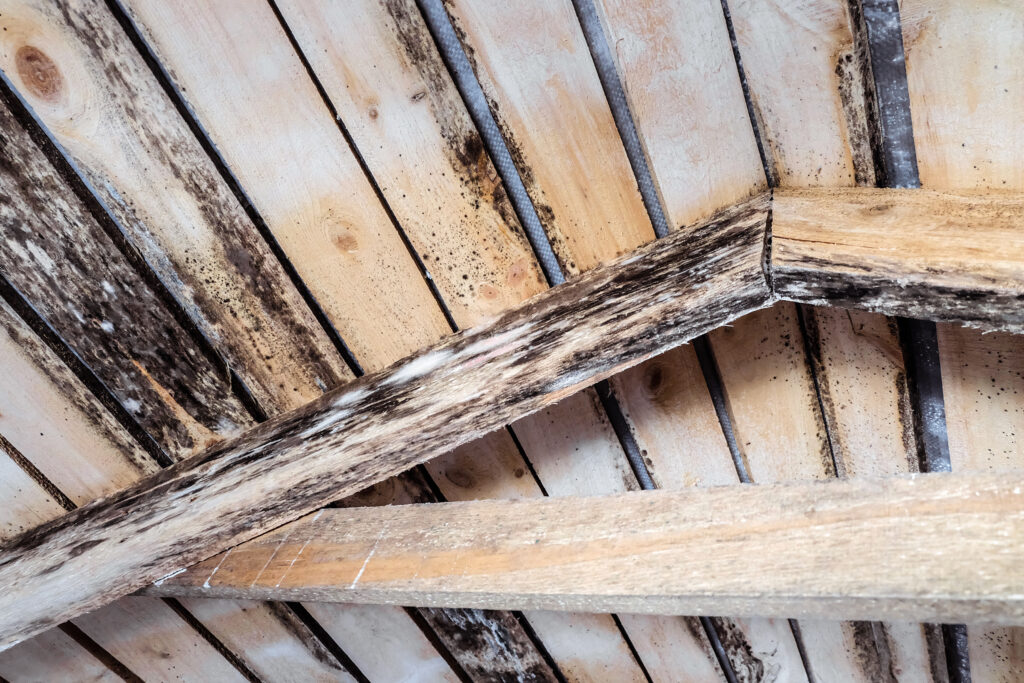
Some roof problems are easier to identify from inside your home than from the ground.
Your attic can reveal early signs of water intrusion that may not yet be visible on ceilings or walls.
Before winter, safely inspect accessible attic areas for:
- Water stains on roof sheathing.
- Damp or compressed insulation.
- Dark spots on wood.
- Mold-like growth.
- Musty odors.
- Dripping water after rainfall.
- Daylight visible through the roof.
Pay particular attention to areas near chimneys, roof valleys, plumbing vents, and other roof penetrations.
Why Attic Inspections Matter Before Winter
A roof leak can allow moisture to reach attic insulation and framing. Wet insulation may lose some of its effectiveness, making it harder to maintain indoor temperatures.
Moisture can also contribute to wood deterioration and mold growth when the underlying problem is not addressed.
If you discover damp insulation or visible water damage, identify and repair the source of the leak before replacing affected materials.
6. Check Your Roof Ventilation
Proper roof ventilation helps regulate temperature and moisture levels in your attic.
A balanced ventilation system typically uses intake vents near the lower roof or soffits and exhaust vents near the roof ridge or upper sections.
When ventilation is inadequate, warm, moist air may accumulate in the attic. During winter, this can contribute to condensation and uneven roof temperatures.
Check for visible obstructions around:
- Soffit vents.
- Ridge vents.
- Gable vents.
- Roof-mounted ventilation systems.
Leaves, insulation, and other debris should not block ventilation openings.
How Poor Ventilation Can Contribute to Ice Dams
Ice dams can form when heat escaping from the living space warms portions of the roof, causing snow to melt. The water then flows toward colder roof edges and refreezes.
As ice accumulates, it can create a barrier that prevents additional melting snow from draining properly.
Water may then back up beneath shingles and enter the home.
Proper attic insulation, air sealing, and balanced ventilation can help reduce the conditions that contribute to ice dams.
However, ventilation alone will not solve every ice dam problem. Insulation levels and air leaks also play important roles.
7. Inspect Your Roof for Moss, Algae, and Debris
Moisture, shade, and organic debris can create conditions where moss and algae grow on roofing materials.
Moss is particularly concerning because it can retain moisture and grow beneath shingle edges. Over time, this may lift shingles and contribute to premature deterioration.
Before winter, look for:
- Green moss patches.
- Dark streaks or discoloration.
- Leaves and branches resting on the roof.
- Debris collecting in roof valleys.
- Areas that remain damp for extended periods.
Not all roof discoloration indicates damage. Dark streaks may be caused by algae, while moss can create more direct physical concerns.
Avoid pressure washing shingles or using harsh chemicals without professional guidance. Aggressive cleaning can remove protective granules and damage roofing materials.
A roofing professional can recommend an appropriate cleaning method based on your roof type and condition.
8. Trim Tree Branches Near Your Roof
Fall storms and winter winds can cause branches to break and fall onto your roof.
Branches hanging over your home can also scrape roofing materials, damage gutters, and drop leaves into drainage systems.
Before winter, inspect trees around your property for:
- Dead or weakened branches.
- Large limbs hanging over the roof.
- Branches touching shingles or gutters.
- Trees leaning toward your home.
- Signs of decay or instability.
Trimming overhanging branches can reduce the risk of storm-related roof damage and help limit the amount of debris entering your gutters.
Large branches and trees near electrical lines should be handled by qualified professionals. Never attempt to cut branches that are touching or close to power lines.
9. Check Your Roof’s Edge, Fascia, and Soffits
The roof’s edges and supporting exterior components are also exposed to fall and winter weather.
Fascia boards run along the roofline, while soffits cover the underside of roof overhangs. Both help protect vulnerable areas of your home’s structure.
Inspect these areas for:
- Peeling or damaged paint.
- Rotting wood.
- Loose or missing sections.
- Water stains.
- Gaps where pests may enter.
- Signs of moisture around the roofline.
Damaged fascia can affect gutter attachment, while deteriorating soffits may allow moisture or pests to enter roof and attic spaces.
Addressing these problems before winter can help prevent additional deterioration.
10. Check Your Roof’s Age and Overall Condition
Even when a roof does not have visible damage, its age and overall condition should be considered when preparing for winter.
Different roofing materials have different expected service lives.
| Roofing Material | General Expected Lifespan |
|---|---|
| 3-tab asphalt shingles | 15–20 years |
| Architectural asphalt shingles | 20–30 years |
| Metal roofing | 40–70 years |
| Wood shingles or shakes | 20–30 years |
| Slate roofing | 50–100+ years |
These are general estimates. Actual lifespan depends on material quality, installation, ventilation, maintenance, weather exposure, and other factors.
If your roof is approaching the end of its expected service life, consider scheduling a professional inspection before winter.
An inspection can help determine whether maintenance, repairs, or replacement should be considered.
11. Additional Ways to Prepare Your Roof for Snow, Ice, and Winter Weather

New Jersey winters can bring freezing rain, snow, strong winds, and changing temperatures. Your roof needs to be ready to handle these conditions.
In addition to completing routine maintenance, consider the following preparations.
Check drainage: Make sure gutters, downspouts, and roof valleys are clear so water can drain properly.
Address existing leaks: Do not leave damaged shingles, flashing, or roof penetrations unattended.
Review attic insulation: Proper insulation helps reduce heat loss and can help maintain more consistent roof temperatures.
Seal attic air leaks: Warm air escaping into the attic can contribute to snowmelt and ice dam formation.
Inspect roof edges: Make sure fascia, soffits, and gutter attachments are secure.
Consider professional evaluation: If your roof has a history of leaks or ice dams, ask a roofing professional about preventive improvements.
Should You Remove Snow From Your Roof?
Most residential roofs are designed to support normal snow loads, but heavy snow accumulation can create structural concerns depending on the roof’s design, condition, and local weather.
Watch for warning signs such as:
- Sagging ceilings.
- Unusual creaking or cracking sounds.
- Doors or windows suddenly becoming difficult to operate.
- Visible roofline changes.
- Water entering the home during snowmelt.
If you suspect structural problems, leave the affected area and contact a qualified professional.
Do not climb onto a snow-covered roof or use sharp tools to remove ice. Snow removal and ice dam removal can be dangerous and may damage roofing materials.
12. When Should You Repair or Replace Your Roof?
Fall is a good time to determine whether your roof needs a repair or a more extensive replacement.
Not every roofing problem requires an entirely new roof. In many cases, localized repairs may be sufficient.
When Roof Repairs May Be Enough
Repairs may be appropriate when:
- Only a few shingles are damaged.
- Flashing has become loose or deteriorated.
- A small section of roofing has developed a leak.
- A roof penetration needs to be resealed or repaired.
- Gutters or fascia need attention.
The condition of the surrounding roofing materials is important when deciding whether a repair is appropriate.
When Roof Replacement May Be Worth Considering
A full roof replacement may be more practical when:
- The roof is near the end of its expected lifespan.
- Shingles are deteriorating across large areas.
- Leaks are occurring in multiple locations.
- There is widespread storm damage.
- Previous repairs have not resolved recurring problems.
- The underlying roof structure has experienced significant moisture damage.
A professional inspection can help determine the extent of the damage and whether repairs or replacement make more sense.
How Much Does Roof Maintenance or Replacement Cost?
Roofing costs vary depending on the type of work, roof size, materials, accessibility, and overall condition.
Typical cost factors include:
- Roof dimensions and slope.
- Number of existing roofing layers.
- Roofing material selected.
- Underlayment and flashing requirements.
- Decking repairs.
- Ventilation improvements.
- Removal and disposal of old materials.
- Permit requirements.
- Labor and installation complexity.
Routine maintenance, such as gutter cleaning or replacing a small number of damaged shingles, generally costs less than major repairs or a complete roof replacement.
If your roof has multiple problems or is approaching the end of its lifespan, request a professional estimate to understand the available options.
When Should You Prepare Your Roof for Winter?
Early to mid-fall is generally the best time to prepare your roof for winter, before freezing temperatures and severe weather arrive. This gives homeowners time to identify damaged shingles, clear gutters, inspect flashing, and complete necessary repairs while conditions are generally more favorable.
If your roof has experienced leaks, storm damage, or recurring drainage problems, do not wait until winter to address them. Preparing your roof ahead of time can help reduce the risk of unexpected repairs when snow, ice, and freezing rain become more frequent.
Fall and Winter Roof Preparation Checklist
Use this checklist to help prepare your roof before colder weather arrives.
- Inspect shingles for missing, cracked, or curling sections.
- Clean gutters and downspouts.
- Check flashing around chimneys, skylights, and vents.
- Inspect roof valleys for debris.
- Look for water stains or damp insulation in the attic.
- Check soffit and ridge ventilation.
- Remove loose leaves and branches from accessible areas.
- Trim overhanging tree branches.
- Inspect fascia and soffits for damage.
- Check for signs of moss or algae.
- Address existing leaks or damaged roofing materials.
- Schedule a professional roof inspection if needed.
Never put yourself at risk to complete this checklist. Roof access, ladder work, tree trimming, and electrical hazards should be handled by qualified professionals when necessary.
Why Fall Roof Preparation Matters for South Jersey Homeowners
Homes throughout South Jersey experience a variety of seasonal weather conditions. Fall storms can bring heavy rain and strong winds, while winter may introduce freezing temperatures, snow, and ice.
Homeowners in Hammonton, Mays Landing, Waterford, Atco, and surrounding communities should pay particular attention to roof drainage, tree coverage, and signs of weather-related wear.
Properties surrounded by mature trees may experience more leaves and branches collecting on roofs and inside gutters. Older homes may also have aging shingles, flashing, or ventilation systems that need attention before winter.
Whether your home has an asphalt shingle roof, metal roof, or another roofing material, seasonal inspections can help identify problems before severe weather makes repairs more difficult.
Frequently Asked Questions
When should I prepare my roof for winter?
Early to mid-fall is generally a good time to inspect and maintain your roof. This allows time to address damaged shingles, flashing, gutters, and other issues before freezing temperatures and winter storms arrive.
How often should I inspect my roof?
Homeowners should visually inspect their roofs at least twice a year, typically in spring and fall. Additional inspections may be helpful after severe storms, especially when strong winds or falling branches may have caused damage.
Can clogged gutters cause roof leaks?
Yes. Clogged gutters can prevent water from draining properly. Water may overflow, collect near the roof edge, or contribute to moisture problems around fascia and other roofing components. In freezing conditions, trapped water may also contribute to ice buildup.
What are the signs of a roof leak?
Common signs include water stains on ceilings, damp attic insulation, peeling paint, musty odors, dark spots on roof sheathing, and visible dripping during rainfall. Some leaks may remain hidden until moisture damage becomes more noticeable.
How can I prevent ice dams on my roof?
Proper attic insulation, air sealing, balanced ventilation, and clear drainage paths can help reduce the conditions that contribute to ice dams. If your home has experienced recurring ice dams, have a roofing professional evaluate the roof and attic.
Should I replace my roof before winter?
Not necessarily. If your roof is in good condition, replacement may not be needed. However, widespread shingle deterioration, recurring leaks, or significant storm damage may make replacement worth considering before winter weather arrives.
Is it safe to clean my roof myself?
Walking on a roof can be dangerous, especially when surfaces are wet, steep, or covered with debris. Homeowners should inspect from the ground whenever possible and hire qualified professionals for work that requires roof access.
Does roof ventilation help during winter?
Yes. Proper roof ventilation helps manage attic temperature and moisture levels. When combined with adequate insulation and air sealing, it can help reduce condensation and conditions that contribute to ice dams.
Final Thoughts

Taking the time to prepare your roof for fall and winter can help protect your home from seasonal weather and prevent minor roofing problems from becoming major repairs. Inspecting shingles, cleaning gutters, checking flashing, trimming nearby branches, and addressing ventilation concerns are all important steps in getting your roof ready for colder temperatures.
Do not wait until a winter storm reveals an existing roofing issue. Preparing your roof in the fall gives you an opportunity to address maintenance and repairs before harsh weather arrives.
If your roof needs an inspection, repair, or replacement, WYNNOW is here to help you manage your home service and improvement needs throughout South Jersey. Also if you found this blog helpful, please be sure to check us out on Facebook, Instagram and X for more.