
When temperatures drop in New Jersey, the last thing you want is a furnace that runs but blows cold air through your vents. If your heating system is running without warming your home, you may have a simple thermostat issue, a clogged air filter, or a problem that requires professional HVAC service.
A furnace blowing cold air doesn’t always mean the system is broken. Some furnaces briefly circulate cool air when starting up or between heating cycles. However, if your home isn’t warming up, the air stays cold, or the furnace repeatedly turns on and off, it’s worth investigating the cause.
Understanding why your furnace is blowing cold air can help you identify simple problems, recognize warning signs, and determine when it’s time to call an HVAC professional.
1. Your Thermostat Is Set Incorrectly
One of the first things to check when your furnace blows cold air is the thermostat.
If the thermostat is set to the wrong operating mode, your heating system may circulate air without producing heat.
Check the following settings:
- System mode: Make sure the thermostat is set to HEAT rather than COOL or FAN.
- Fan setting: Set the fan to AUTO instead of ON. When set to ON, the blower may continue running between heating cycles, circulating room-temperature air.
- Temperature setting: Make sure the target temperature is higher than the current room temperature.
- Batteries: If your thermostat uses batteries, replace them if they’re weak or depleted.
If you recently changed thermostat settings, check them before assuming there’s a problem with the furnace itself.
If the settings are correct and the furnace still blows cold air, move on to the next possible cause.
2. Your Furnace Air Filter Is Clogged
A dirty air filter is one of the most common causes of furnace performance problems.
Your furnace needs adequate airflow to operate properly. When the filter becomes clogged with dust, pet hair, and other debris, airflow can become restricted.
Restricted airflow may cause the furnace’s heat exchanger to overheat, triggering a safety limit switch that shuts off the burners. The blower may continue running to cool the system, causing cool air to come through the vents.
A severely clogged filter can also contribute to repeated heating cycles and unnecessary strain on the equipment.
What you can do:
- Turn off the furnace before inspecting the filter.
- Locate the air filter compartment.
- Remove the filter and check for visible dirt buildup.
- Replace disposable filters or clean reusable filters according to the manufacturer’s instructions.
- Make sure the replacement filter has the correct dimensions and compatible rating.
Check your filter monthly during periods of heavy heating use. Many households need to replace filters every one to three months, although the correct schedule depends on the filter type, pets, indoor air quality, and manufacturer recommendations.
If changing the filter doesn’t resolve the problem, your furnace may need further inspection.
3. The Furnace Is Still Warming Up
Sometimes the air coming from your vents feels cool when the furnace first starts.
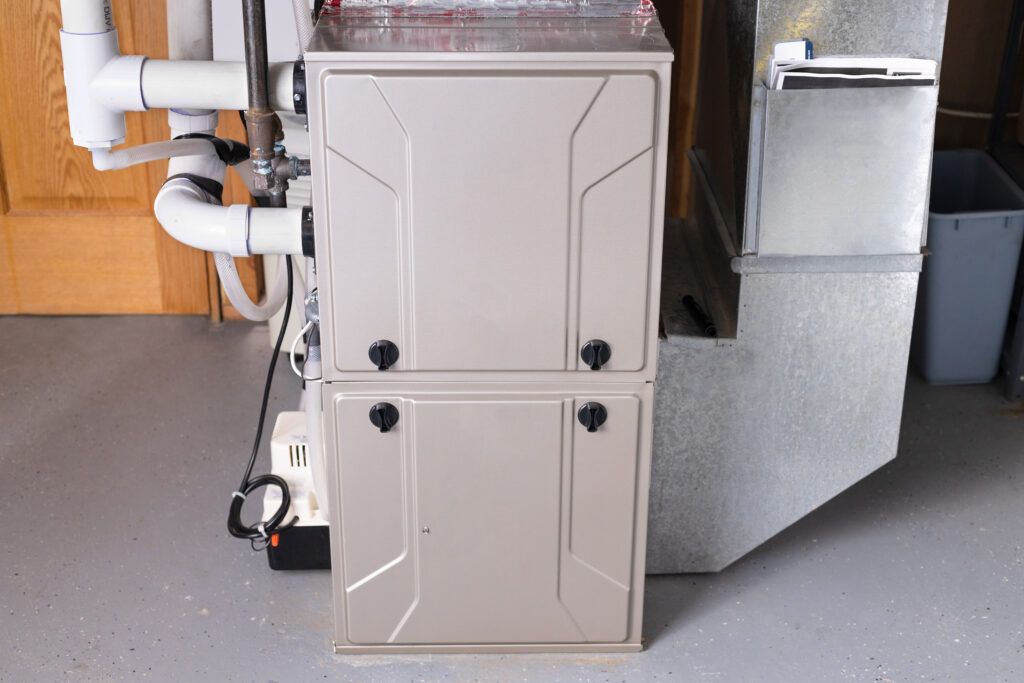
Many furnaces use a startup sequence that allows the heat exchanger to warm before the blower circulates heated air throughout the house.
During this brief period, you may notice little or no airflow, or the initial air may feel cooler than expected.
Once the furnace reaches the appropriate operating conditions, the air should become warm.
If the furnace continues blowing cold air well beyond its normal startup period, or the home never reaches the thermostat’s target temperature, another problem may be present.
Check your furnace’s operating manual for information about its normal startup sequence.
4. The Pilot Light or Ignition System Isn’t Working
Gas furnaces need a reliable ignition system to ignite the burners and produce heat.
Depending on the furnace, the system may use a standing pilot light, an electronic igniter, or another ignition arrangement.
If ignition fails, the blower may operate without the furnace producing heat, or the system may repeatedly attempt to start before shutting down.
Possible causes include:
- A failed electronic igniter
- A malfunctioning flame sensor
- A problem with the pilot assembly
- An interrupted gas supply
- A faulty control component
Some furnaces display an error code or diagnostic light when ignition fails. If your furnace has a visible status indicator, check the manufacturer’s instructions to understand what it means.
Don’t attempt to disassemble or repair gas ignition components yourself. If the furnace repeatedly fails to ignite, contact a qualified HVAC professional.
Important: If you smell gas, leave the building without operating electrical switches or using an open flame. From a safe location, contact your gas utility or emergency services according to local guidance.
5. Your Furnace Is Overheating
A furnace that overheats may shut off its burners while allowing the blower to continue running.
This can make it seem as though the furnace is blowing cold air even though the system was producing heat moments earlier.
Overheating may result from:
- A clogged air filter
- Blocked return-air vents
- Closed or obstructed supply registers
- A dirty blower assembly
- Problems with the blower motor
- Restricted airflow inside the heating system
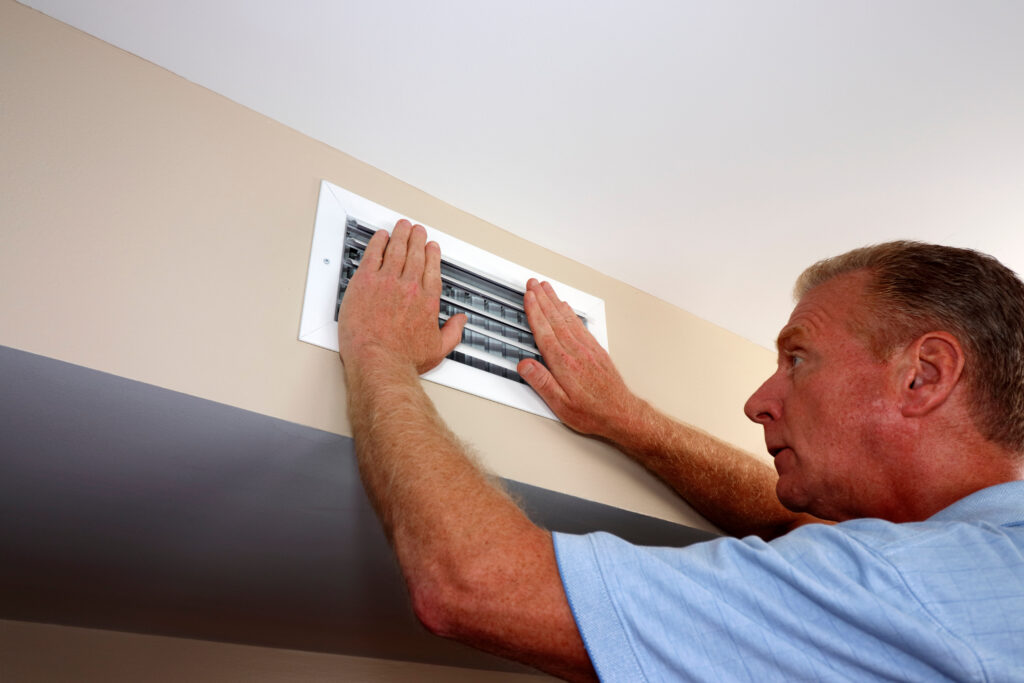
Start by checking the air filter and making sure furniture, rugs, or other objects aren’t blocking supply or return vents.
Avoid closing large numbers of vents in an attempt to redirect heat to certain rooms. Doing so can interfere with the airflow the system was designed to deliver.
If the furnace repeatedly overheats or shuts down, stop repeatedly resetting it and arrange for professional service. Continued operation under these conditions can damage equipment.
6. The Furnace Is Short Cycling
Short cycling occurs when your furnace turns on and off more frequently than normal, often without completing a full heating cycle.
If the burners shut off prematurely, the blower may continue running and circulate cool or lukewarm air.
Common causes of short cycling include:
- Restricted airflow
- A dirty air filter
- An overheating furnace
- A malfunctioning thermostat
- Improper furnace sizing
- Faulty sensors or controls
You may notice that the furnace runs for only a few minutes at a time, the temperature in your home fluctuates, or some rooms never become comfortable.
Short cycling can increase wear on furnace components and make it harder to maintain a consistent indoor temperature.
If basic checks don’t reveal an obvious cause, have an HVAC professional evaluate the system.
7. Your Gas Supply Has Been Interrupted
Gas furnaces require a steady supply of fuel to generate heat.
If the gas supply is interrupted, the furnace may be unable to ignite or maintain a heating cycle.
Possible explanations include a utility service interruption, a supply issue, or a problem with the furnace’s gas valve.
If other gas appliances also aren’t working, there may be a broader supply issue, although that doesn’t confirm the cause.
Do not attempt to adjust gas valves, disassemble fuel lines, or perform gas-related repairs yourself.
If you smell gas, leave the property immediately and contact the appropriate emergency service or gas utility from a safe location. If there is no gas odor but the furnace won’t ignite, contact a qualified HVAC technician.
8. Your Furnace Has an Electrical or Control Problem
Modern furnaces rely on electrical components to operate the blower, ignition system, sensors, and controls.
An electrical fault may prevent the burners from operating even when the blower is running.
Potential causes include:
- A tripped circuit breaker
- A failed control board
- Faulty wiring
- A malfunctioning safety switch
- A damaged blower motor
- A thermostat communication issue
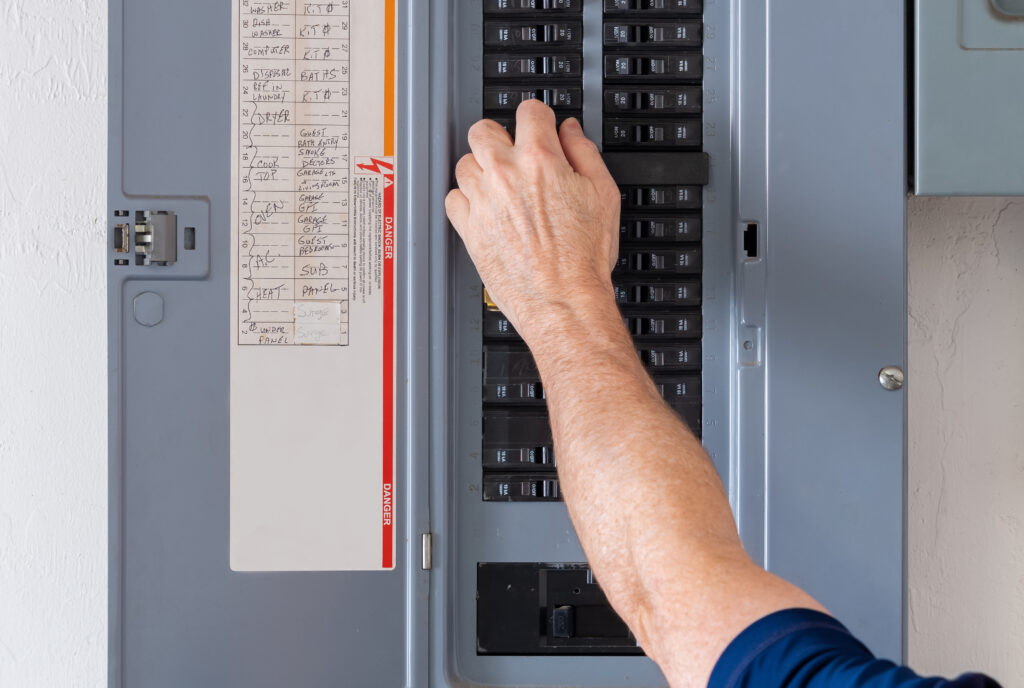
You can check whether the furnace’s circuit breaker has tripped, but don’t repeatedly reset a breaker that trips again.
Never remove furnace panels or handle internal wiring unless you’re qualified to perform the work.
If the furnace has power but won’t produce heat, a technician can test the electrical and control components to identify the fault.
9. Your Furnace Flame Sensor Is Dirty
Many gas furnaces use a flame sensor to confirm that the burners have ignited and are producing a flame.
If the sensor becomes dirty or fails, the furnace’s controls may shut off the gas supply because the system cannot reliably confirm combustion.
The blower may continue operating, making it appear that the furnace is running normally even though it isn’t producing enough heat.
Symptoms can include:
- The furnace starts but quickly stops heating.
- The burners ignite briefly and then shut off.
- The furnace repeatedly attempts to restart.
- The home remains cold despite the system running.
A dirty flame sensor is one possible explanation, but similar symptoms can occur with other ignition and control problems.
An HVAC technician can determine whether the sensor needs cleaning, adjustment, or replacement.
10. Your Ductwork Is Losing Heat
Sometimes the furnace is producing heat, but the air reaching your rooms isn’t warm enough.
Leaky, disconnected, or poorly insulated ductwork can allow heated air to escape before it reaches the living space.
This is especially important when ducts run through unheated attics, crawl spaces, basements, or garages.
Signs of possible ductwork problems include:
- Certain rooms receive little warm air.
- Airflow is weak in some parts of the house.
- Heating bills have increased unexpectedly.
- You notice unusual temperature differences between rooms.
- The furnace runs longer than usual without making the home comfortable.
Check accessible vents to make sure they aren’t blocked. If the problem persists, a professional can inspect the ductwork for leaks, disconnected sections, insulation problems, and airflow restrictions.
11. Your Furnace Is Too Small or Your Home Is Losing Heat
A furnace can be operating correctly and still struggle to warm a home under certain conditions.
If the heating system is undersized for the property, it may run for long periods without maintaining the desired temperature.
Heat loss can make the situation worse. Drafty windows, poorly insulated walls, gaps around exterior doors, and air leaks can allow heat to escape faster than the furnace can replace it.
These problems are more noticeable during extended periods of freezing weather.
Consider checking for:
- Drafts around windows and doors
- Missing or damaged weatherstripping
- Gaps around plumbing and utility penetrations
- Poor attic insulation
- Cold spots along exterior walls
If the furnace has always struggled to heat the house, a professional assessment of the system’s capacity and the home’s heat loss may help identify a long-term solution.
Replacing the furnace isn’t always necessary. Improving insulation, sealing air leaks, or correcting airflow issues may improve comfort without replacing the equipment.
12. Your Furnace Needs Routine Maintenance
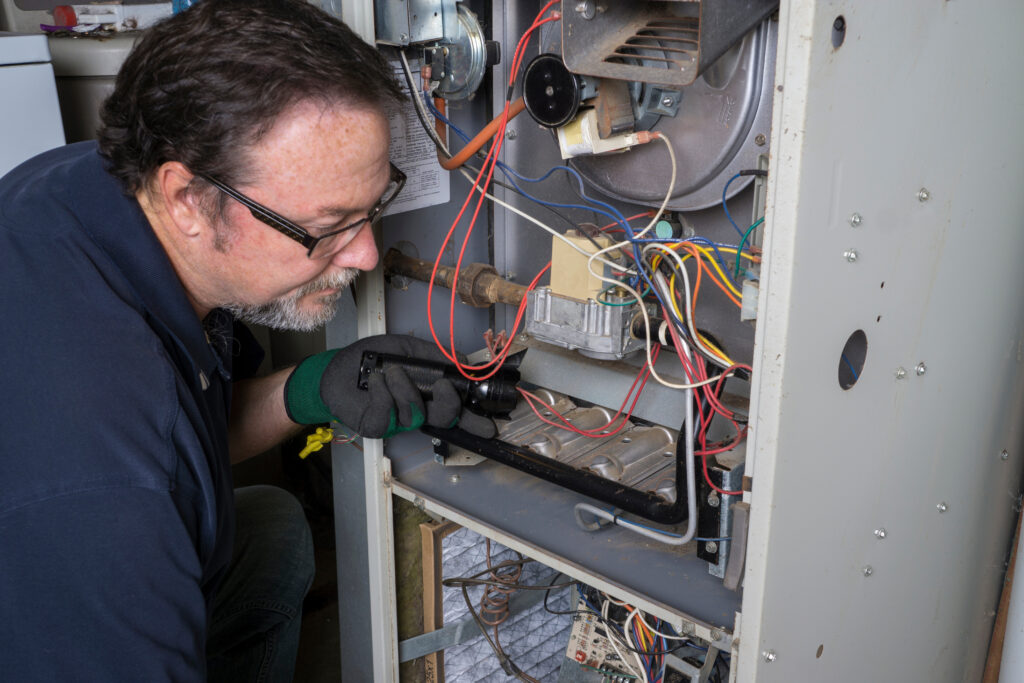
Over time, dirt buildup, worn components, and neglected maintenance can reduce heating performance.
A furnace that hasn’t been serviced regularly may develop airflow problems, ignition issues, or faults that prevent it from delivering consistent heat.
Routine professional maintenance typically includes checking system operation, inspecting relevant safety controls, evaluating ignition and combustion where applicable, and identifying worn or damaged components.
Regular maintenance can help uncover problems before they leave you without heat during the coldest part of winter.
If your furnace is blowing cold air and you haven’t had it inspected recently, scheduling service can help determine whether maintenance or a repair is needed.
What to Check Before Calling an HVAC Professional
If your furnace is blowing cold air, there are a few basic checks you can perform safely before scheduling service.
Quick Furnace Troubleshooting Checklist
- Check the thermostat: Confirm that it’s set to HEAT and the target temperature is above the current room temperature.
- Check the fan setting: Set it to AUTO if you don’t want the blower circulating air between heating cycles.
- Inspect the air filter: Replace a dirty filter with the correct type.
- Check the vents: Make sure supply and return vents aren’t blocked.
- Check the circuit breaker: Look for a tripped breaker, but don’t repeatedly reset it if it trips again.
- Look for an error code: Follow the manufacturer’s instructions for interpreting any diagnostic indicator.
- Observe the heating cycle: Note whether the furnace starts, produces heat briefly, shuts down, or continues blowing cool air.
Don’t remove internal components, bypass safety switches, or attempt gas or electrical repairs.
If these checks don’t resolve the problem, or the furnace repeatedly shuts down, arrange for professional service.
When Should You Turn Off Your Furnace?
In some situations, it’s best to stop operating the system until it can be inspected.
Turn off the furnace and seek professional help if you notice:
- A burning electrical smell that persists
- Smoke or visible signs of overheating
- Repeated circuit-breaker trips
- Unusual grinding or other severe mechanical noises
- A damaged or visibly unsafe component
- Repeated overheating or shutdowns
If you smell gas, leave the property immediately. Don’t operate switches or appliances, and contact the gas utility or emergency services from a safe location.
If a carbon monoxide alarm sounds, get everyone outside to fresh air and contact emergency services. Don’t re-enter until authorities say it is safe.
Do not ignore serious warning signs simply because the furnace is still moving air.
Can You Keep Running a Furnace That Blows Cold Air?
Whether you can continue running your furnace depends on the underlying cause.
If the problem is simply that the thermostat fan is set to ON, changing it to AUTO may resolve the issue.
However, if the furnace is overheating, repeatedly failing to ignite, tripping a breaker, or producing unusual odors, continued operation could worsen the problem or create a safety risk.
When the cause isn’t clear, avoid repeatedly restarting the furnace. A qualified HVAC professional can determine whether the system can operate safely and what repairs are needed.
During freezing weather, consider the risk of your home losing heat while you wait for service. If you use a temporary space heater, follow the manufacturer’s safety instructions, plug it directly into a suitable wall outlet, and keep it away from combustible materials.
How Much Does It Cost to Fix a Furnace Blowing Cold Air?
The cost depends on the cause of the problem, the type of furnace, the parts required, and local labor rates.
For example, replacing a dirty air filter is inexpensive, while repairing an ignition system, blower motor, control board, or other major component can cost significantly more.
Factors that can affect the final price include:
- The furnace’s age and model
- Whether parts are readily available
- The complexity of the repair
- Whether additional components are damaged
- The timing of the service call
- Whether the issue requires emergency service
It’s best to have the problem diagnosed before deciding whether to repair or replace the system.
If the furnace is older and needs frequent repairs, ask an HVAC professional to compare the cost of the necessary repairs with the potential benefits of replacement.
Should You Repair or Replace Your Furnace?
A furnace blowing cold air doesn’t automatically mean you need a new heating system.
Repair may be appropriate when the furnace is in otherwise good condition and the issue involves a relatively minor or isolated component.
Replacement may be worth considering when:
- The furnace is approaching the end of its expected service life.
- Major components have failed.
- Repairs are becoming increasingly frequent.
- Heating performance remains poor despite maintenance.
- The system struggles to keep the home comfortable.
- Repair costs are high relative to the value of the equipment.
Age alone shouldn’t determine the decision. The system’s condition, repair history, energy performance, and your home’s heating needs all matter.
A qualified HVAC professional can explain your options and help you determine whether repair or replacement makes more sense.
Preparing Your Furnace for New Jersey Winters
New Jersey winters can bring extended cold spells, freezing nights, and sudden temperature drops. A furnace that works intermittently in mild weather may struggle to keep up when outdoor temperatures fall.
Homeowners in Hammonton, Atco, Berlin, Mays Landing, and Egg Harbor City, along with surrounding South Jersey communities, can benefit from preparing their heating systems before the coldest weather arrives.
Before winter:
- Replace or clean the furnace filter as recommended.
- Test your thermostat and heating system.
- Keep supply and return vents clear.
- Check for unusual noises, odors, or frequent cycling.
- Address drafty windows and doors.
- Schedule professional maintenance if needed.
If your furnace is already blowing cold air, don’t wait until the next freezing night to investigate. Resolving the problem early can help restore reliable heating before temperatures drop further.
Final Thoughts

If your furnace is blowing cold air, the cause could be something simple, such as an incorrect thermostat setting or a clogged air filter. It could also indicate a more serious problem involving ignition, airflow, electrical controls, or overheating.
Start with basic checks you can perform safely, and pay attention to warning signs such as repeated shutdowns, unusual odors, and circuit-breaker trips. If the furnace continues blowing cold air or cannot keep your home warm, have it inspected by a qualified HVAC professional.
Keeping your heating system maintained can help reduce unexpected breakdowns and improve comfort throughout the colder months. If you need furnace troubleshooting, heating repairs, maintenance, or a replacement, WYNNOW is here to help with your home service needs throughout South Jersey. Also if you found this blog informative, please be sure to check out our social media pages on Facebook, Instagram and X!