
Low water pressure can turn simple everyday tasks into frustrating chores. A shower may have weak flow, a faucet may barely produce water, or appliances such as washing machines and dishwashers may seem to take longer than usual to fill.
Sometimes low water pressure is caused by something simple, such as a partially closed valve or a clogged faucet aerator. In other situations, it can point to a plumbing problem that requires professional attention.
For New Jersey homeowners, understanding the potential causes of low water pressure can help you determine what to check first and when it may be time to call a plumber.
What Is Considered Low Water Pressure?
Water pressure refers to the force that pushes water through your home’s plumbing system. What feels like low pressure can vary depending on the home, plumbing configuration, fixtures, and water supply.
More importantly, pay attention to changes from your home’s normal water pressure.
For example, if your shower has always had strong water flow and suddenly becomes weak, there may be a developing plumbing issue.
Low pressure may affect:
- Showers
- Bathroom faucets
- Kitchen faucets
- Outdoor faucets
- Toilets
- Washing machines
- Dishwashers
- Other water-using appliances
The first step is determining whether the problem affects one fixture, several fixtures, or the entire house.
Is the Low Water Pressure Affecting One Fixture or the Whole House?
This is one of the most useful things to determine before troubleshooting.
Low Pressure at One Faucet or Shower
If only one faucet or shower has weak water flow, the problem may be localized.
Possible causes include:
- Clogged aerator
- Clogged showerhead
- Partially closed fixture valve
- Mineral buildup
- Damaged faucet cartridge
- Problem with the fixture itself
A localized problem is often easier to identify than a whole-house pressure issue.
Low Pressure Throughout the House
If multiple faucets, showers, and other fixtures suddenly have weak flow, the cause may be farther upstream in your plumbing system.
Possible causes include:
- A partially closed main water valve
- Pressure regulator problems
- A clogged or restricted water line
- A leak
- Problems with the municipal water supply
- Corroded or aging plumbing
- A problem with the home’s water service line
If the entire house is affected, professional plumbing troubleshooting may be appropriate.
1. Check Whether Your Main Water Valve Is Fully Open
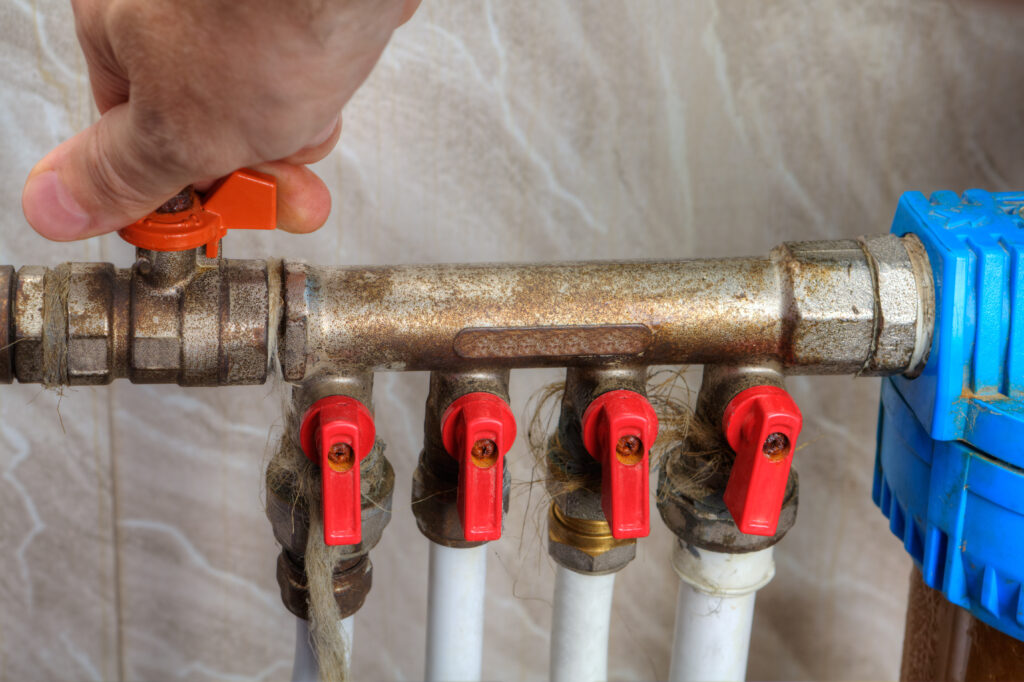
Your home’s main water shutoff valve controls the water entering the property.
If the valve has been partially closed, water flow throughout the house may be reduced.
This can sometimes happen after plumbing work, repairs, or maintenance.
Locate the main shutoff valve and check whether it appears to be fully open. If you aren’t sure which valve controls the home’s water supply or you’re uncomfortable operating it, don’t force it.
A valve that is difficult to operate may require professional attention.
2. Check Individual Fixture Valves
If only one fixture is experiencing low pressure, check the shutoff valves underneath the sink or behind the fixture.
A valve that has been partially closed can restrict water flow.
For example, if the kitchen faucet has low pressure but the bathroom fixtures are operating normally, the kitchen fixture or its supply valve may be the place to start.
3. Clean a Clogged Faucet Aerator
Faucet aerators are small screens attached to the end of many faucets. They help control the water stream, but mineral deposits and debris can accumulate inside them.
If only one faucet has low flow, removing and cleaning the aerator may solve the problem.
This is especially worth checking if:
- The faucet gradually became weaker
- Other fixtures have normal pressure
- You notice sediment or buildup
- The faucet has not been cleaned recently
If cleaning the aerator doesn’t restore normal flow, there may be another issue with the faucet or plumbing.
4. Check the Showerhead
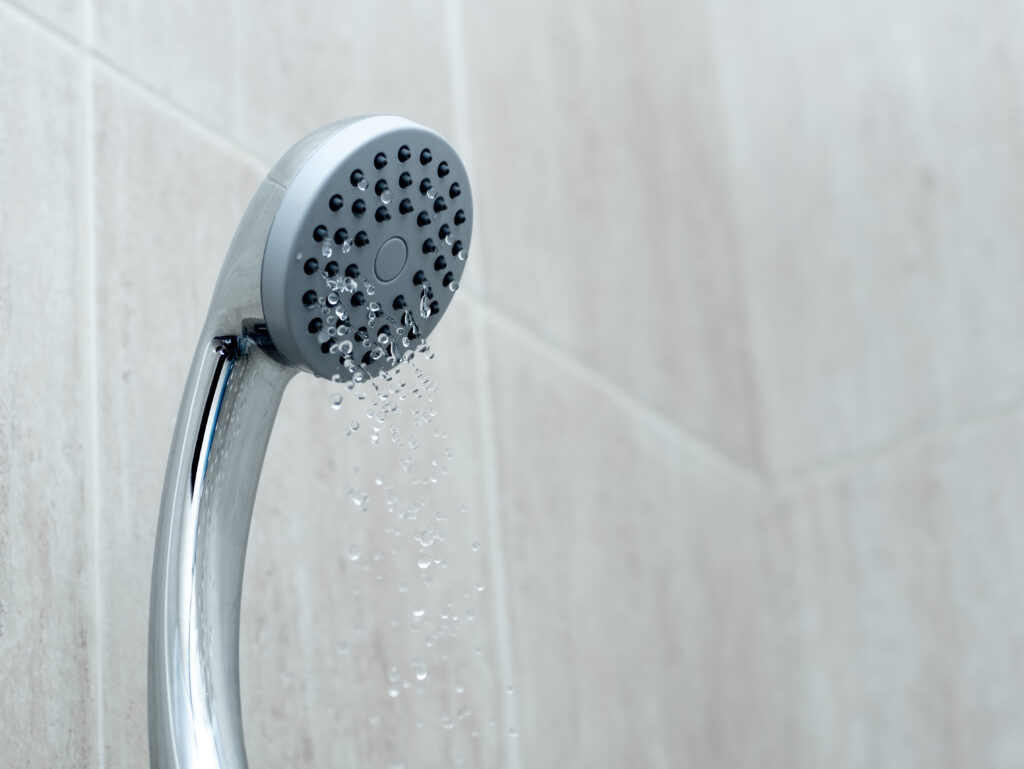
A clogged showerhead can create the impression that your home’s water pressure is low.
Mineral deposits can build up inside the small openings over time, restricting water flow.
If the kitchen and bathroom faucets have normal flow but the shower is weak, inspect the showerhead before assuming the entire plumbing system has a pressure problem.
5. Look for a Pressure Regulator Problem
Some homes use a pressure-reducing valve or pressure regulator to control incoming water pressure.
If the regulator begins to malfunction, the home’s water pressure may change.
Potential signs include:
- Pressure that is consistently too low
- Pressure that changes unexpectedly
- Pressure that varies significantly between fixtures
- A noticeable change from the home’s previous water pressure
Pressure regulator problems generally require professional diagnosis and, depending on the situation, adjustment or replacement.
6. Check for Plumbing Leaks
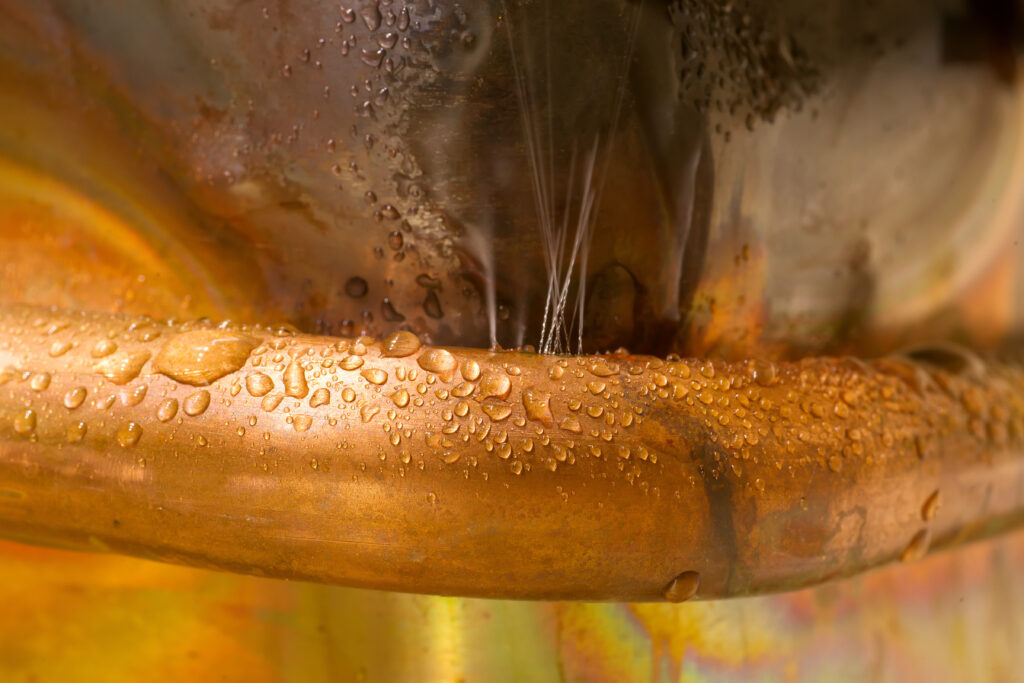
A significant plumbing leak can affect water flow and pressure.
Look around your home for signs such as:
- Wet spots
- Water stains
- Damp cabinets
- Moisture around plumbing connections
- Unexplained puddles
- Higher-than-normal water usage
- The sound of water running when fixtures are turned off
A hidden leak can occur inside walls, beneath floors, underground, or in other areas that aren’t easy to inspect.
If you suspect a leak, addressing it promptly can help prevent water damage and additional plumbing problems.
7. Consider a Problem With the Water Main
The water service line brings water from the municipal supply into your home. Problems affecting this line can potentially cause reduced water flow.
Possible issues include:
- Damage
- Corrosion
- Blockages
- Leaks
- Aging piping
Because the service line may be underground, problems aren’t always obvious from inside the house.
If your entire home suddenly experiences low pressure and basic checks don’t identify the cause, the water service line may need to be evaluated.
8. Aging or Corroded Plumbing Can Restrict Flow
Older plumbing systems may develop internal corrosion or buildup that gradually reduces the space available for water to move through the pipes.
This can be particularly noticeable in older homes.
You may notice that:
- Water pressure has gradually declined over the years
- Multiple fixtures have reduced flow
- Certain parts of the house have weaker flow than others
- Plumbing materials are aging
- Repairs have become increasingly frequent
If the issue is caused by deteriorated or heavily restricted piping, replacing individual fixtures may not solve the underlying problem.
A plumber can evaluate the condition of the plumbing system and determine whether repairs or larger-scale replacement should be considered.
9. Check Whether Your Neighbors Are Experiencing the Same Problem
If your home’s water pressure suddenly drops, the issue may not originate inside your plumbing system.
Ask a neighbor whether they are experiencing a similar change.
A broader water-pressure problem may be related to:
- Municipal water system maintenance
- A water main issue
- Local construction
- Temporary service interruptions
- Other problems affecting the local water supply
If multiple nearby homes are experiencing the same issue, contacting your local water utility may help determine whether there is a community-wide problem.
10. Well Water Systems Can Have Additional Causes
Homes supplied by private wells may have different potential causes of low water pressure.
Problems can involve components such as:
- Well pumps
- Pressure tanks
- Pressure switches
- Filters
- Water treatment equipment
- Pipes and valves
If you have a well and notice a sudden or persistent change in water pressure, the cause may require specialized plumbing or well-system troubleshooting.
Why Does My Water Pressure Drop When Multiple Fixtures Are Running?
Some homeowners notice that water pressure seems fine when one fixture is running but becomes weaker when several are used simultaneously.
This can be normal to some degree because your home’s plumbing system has a finite capacity.
For example, running a shower while someone starts a washing machine may reduce available water flow.
However, a significant or newly developed pressure drop may indicate an underlying problem.
Potential causes can include:
- Restricted plumbing
- Undersized piping
- A failing pressure regulator
- A water supply issue
- A partially closed valve
- Plumbing system deterioration
If the change is substantial or noticeably worse than it used to be, consider having the system evaluated.
Why Is My Water Pressure Low in the Morning?
If low pressure happens at particular times of day, the issue may be related to increased water demand.
Morning hours can involve several household fixtures operating at the same time, including:
- Showers
- Toilets
- Sinks
- Washing machines
- Dishwashers
In some neighborhoods, demand on the municipal water system may also vary throughout the day.
If pressure is consistently weak regardless of the time, however, there may be a problem within the home’s plumbing system.
Could a Water Filter or Softener Cause Low Water Pressure?
Yes. Water treatment equipment can potentially restrict flow if a filter becomes clogged or another component develops a problem.
If your home has:
- Whole-house water filters
- Water softeners
- Reverse osmosis systems
- Other water treatment equipment
consider whether the pressure problem began after installation or whether maintenance is overdue.
A clogged filter, for example, can restrict water flow through the system.
How to Troubleshoot Low Water Pressure
Before calling a plumber, homeowners can safely check a few basic things.
Start With These Questions:
Is the problem affecting one fixture or the whole house?
This helps determine whether the issue is localized or part of the larger plumbing system.
Did the problem happen suddenly or gradually?
A sudden change can point toward a valve, leak, supply issue, or equipment problem. A gradual decline may be associated with buildup, aging components, or deteriorating plumbing.
Are your neighbors experiencing the same problem?
If so, the problem may involve the local water supply.
Are your faucets or showerheads clogged?
Check for visible mineral deposits or debris.
Is the main water valve fully open?
A partially closed valve can restrict flow throughout the home.
Do you have a water filter or treatment system?
Check whether it requires maintenance.
These basic observations can give a plumber useful information if professional service becomes necessary.
When Should You Call a Plumber for Low Water Pressure?
You don’t necessarily need professional service every time a faucet has weak flow. A clogged aerator or showerhead may be something you can address yourself.
Professional plumbing assistance is more appropriate when:
- Low pressure affects the entire house
- Pressure suddenly drops without an obvious explanation
- You suspect a leak
- Water pressure fluctuates significantly
- You hear water running when all fixtures are off
- There is visible water damage
- The problem keeps returning
- Cleaning fixtures doesn’t resolve the issue
- Your water service line may be damaged
- Your pressure regulator may be malfunctioning
- Your home has aging plumbing with ongoing flow problems
A professional can evaluate the plumbing system, identify restrictions or leaks, and determine what repairs may be appropriate.
Can Low Water Pressure Be Prevented?
Not every cause of low water pressure can be prevented, but regular plumbing maintenance can help identify potential problems earlier.
Homeowners can:
- Clean faucet aerators periodically
- Keep showerheads free of mineral buildup
- Replace water filters according to manufacturer recommendations
- Watch for leaks
- Know where the main water shutoff valve is located
- Address plumbing problems promptly
- Have aging plumbing evaluated
- Maintain water treatment equipment
- Monitor unusual changes in water pressure
Paying attention to gradual changes can be especially helpful. If water flow has been getting weaker for months, don’t wait until the problem becomes severe before investigating it.
Low Water Pressure in South Jersey Homes
Homeowners throughout South Jersey can experience low water pressure for many different reasons. Homes in Hammonton, Folsom, Atco, Berlin, and Waterford may have different plumbing configurations, water sources, pipe materials, and equipment, so there isn’t one solution that applies to every property.
Whether the issue is isolated to a single fixture or affecting the entire house, identifying the pattern of the problem is an important first step.
If you’ve noticed a significant change in your home’s normal water pressure, addressing it sooner can help determine whether the cause is a simple fixture issue or something that requires more extensive plumbing attention.
Final Thoughts

Low water pressure can be caused by something as simple as a clogged faucet aerator or as complicated as a problem with the home’s plumbing system or water service line.
Start by determining whether the issue affects one fixture or the entire house. Check obvious valves, faucets, showerheads, and filters, and pay attention to signs of leaks or other plumbing problems.
If the pressure remains low, continues to get worse, or is accompanied by leaks or unusual plumbing behavior, professional evaluation can help identify the cause.
If you’re dealing with low water pressure or another plumbing problem, WYNNOW is here with service professionals throughout South Jersey. Also if you found this blog helpful, also please be sure to check us out on Facebook, Instagram and X for more!