

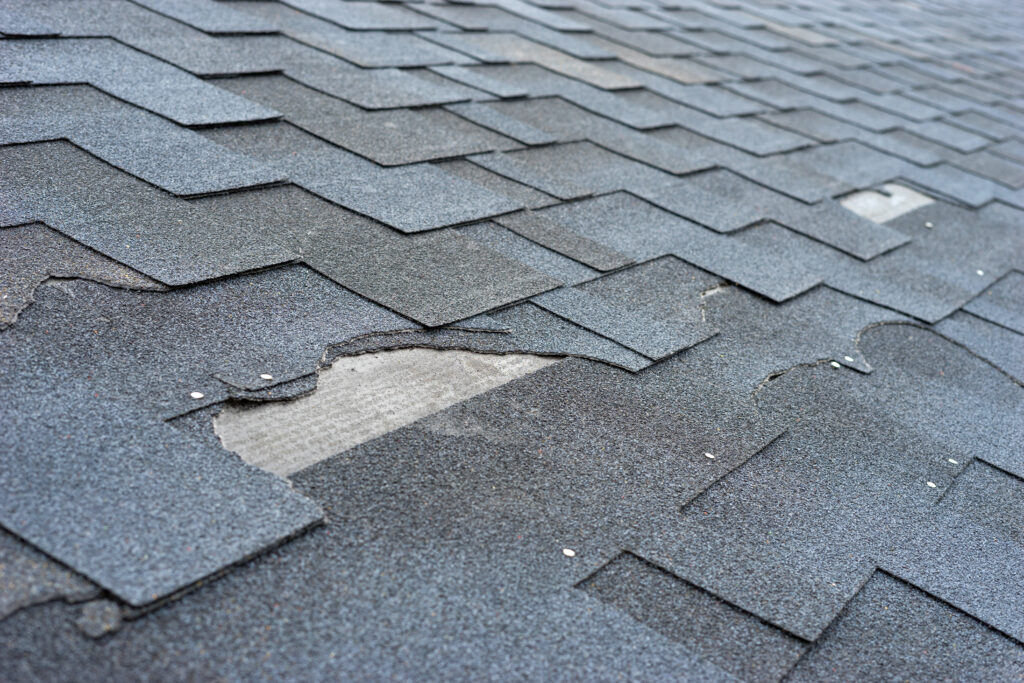
Spring is the season of fresh starts—but for homeowners, it’s also a time when small oversights can turn into costly repairs. After winter, your home needs attention in key areas, and skipping or delaying spring home maintenance can lead to bigger problems as temperatures rise. Homeowners in Winslow Township, Waterford, Atco, Berlin, Sicklerville, Williamstown, and Buena Vista often use spring as the time to inspect roofs, HVAC systems, plumbing, and outdoor spaces after winter weather.
Here are the most common spring homeowner mistakes—and how to avoid them.
1. Ignoring Post-Winter Damage
Winter can take a toll on your home’s exterior, roof, and systems. One of the biggest mistakes homeowners make is assuming everything is fine without checking.
What to watch for:
- Missing or damaged shingles
- Cracks in driveways or walkways
- Peeling paint or siding damage
- Loose gutters or downspouts
How to avoid it:
Do a full exterior inspection early in the season. Catching minor damage now can prevent expensive repairs later.
2. Skipping Gutter Cleaning
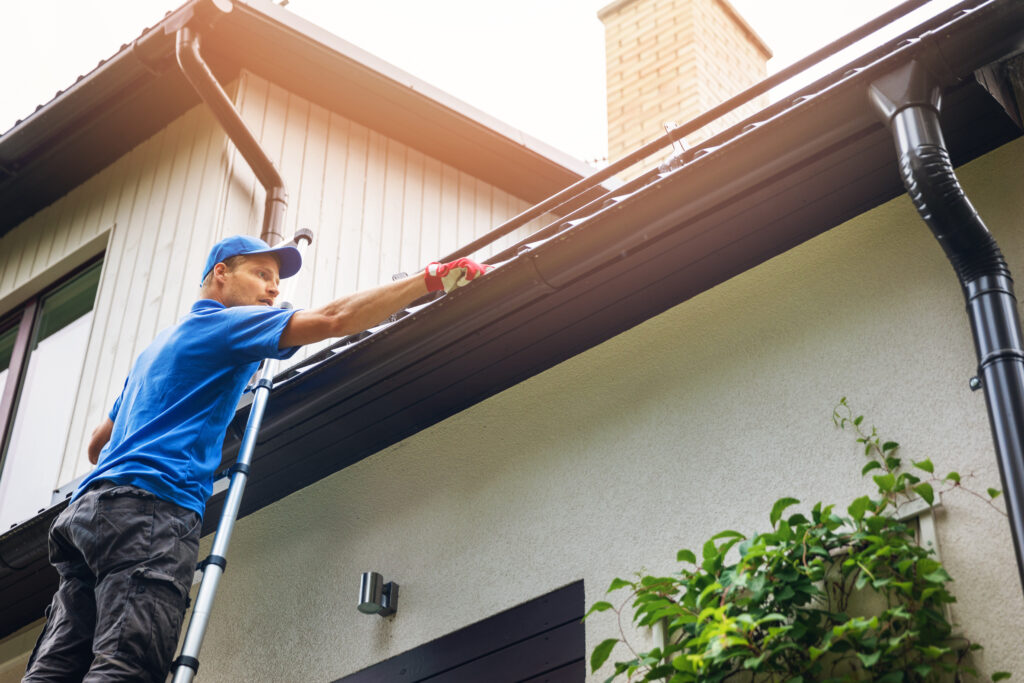
Clogged gutters are a common issue after winter, filled with leaves, debris, and buildup.
The problem:
Blocked gutters can cause water to overflow, leading to roof damage, foundation issues, and landscape erosion.
How to avoid it:
Clean your gutters and ensure downspouts are directing water away from your home. Proper drainage is critical during spring rains.
3. Waiting Too Long to Service Your HVAC System
Many homeowners wait until the first hot day to turn on their AC—only to find it’s not working properly.
The problem:
Delaying maintenance can lead to breakdowns during peak usage when service demand is highest.
How to avoid it:
Schedule a spring HVAC tune-up to ensure your system is ready before temperatures rise.
4. Overlooking Outdoor Plumbing Issues
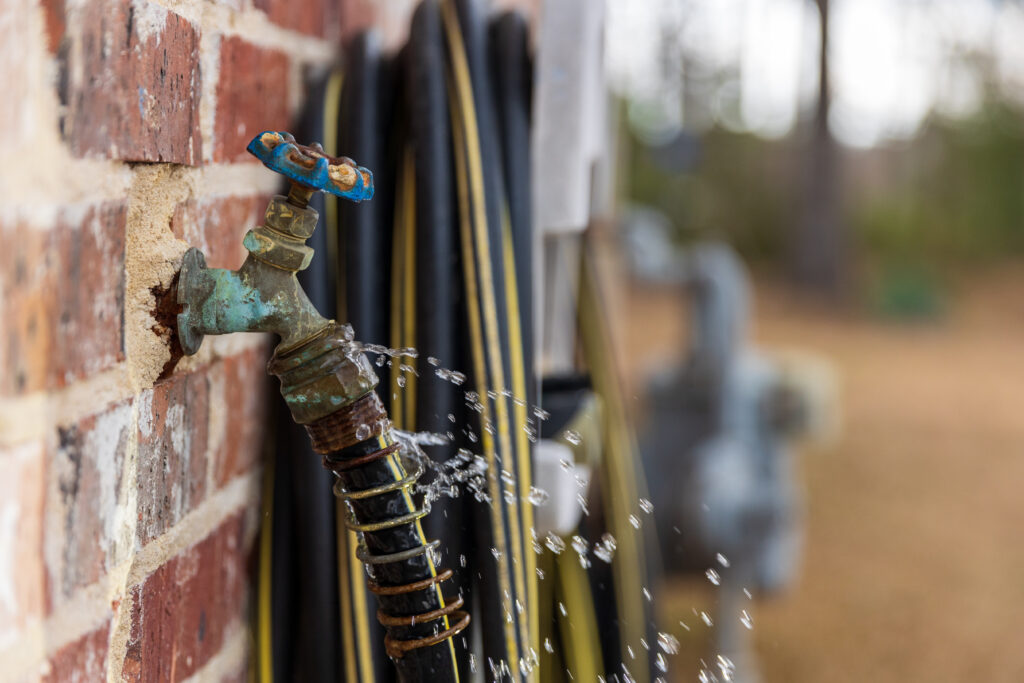
Outdoor faucets, hoses, and irrigation systems often suffer damage from freezing temperatures.
The problem:
Small cracks or leaks can waste water and cause hidden damage behind walls or underground.
How to avoid it:
Test outdoor faucets, inspect sprinkler systems, and look for leaks as soon as temperatures warm up.
5. Not Preparing for Spring Storms
Spring storms can bring heavy rain, strong winds, and power outages.
The problem:
Homes that aren’t prepared are more vulnerable to water damage, fallen branches, and electrical issues.
How to avoid it:
- Trim overhanging tree branches
- Check your sump pump
- Inspect your roof and drainage systems
- Consider backup power solutions
6. Neglecting Outdoor Living Spaces
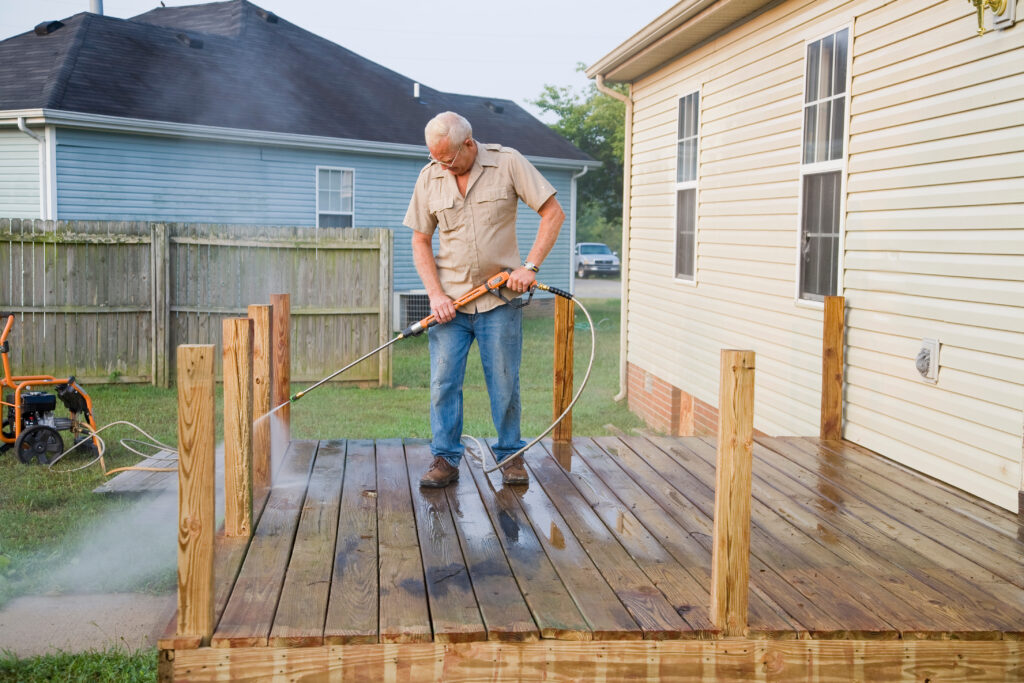
After winter, patios, decks, and outdoor areas often need attention—but many homeowners put it off.
The problem:
Dirt, mildew, and minor damage can worsen over time, making spaces less safe and enjoyable.
How to avoid it:
Clean surfaces, inspect for damage, and refresh furniture and lighting to get your outdoor space ready early.
7. Taking on Too Many DIY Projects
Spring inspires homeowners to tackle projects—but not all repairs should be DIY.
The problem:
Improper repairs can lead to safety risks, code violations, or more expensive fixes later.
How to avoid it:
Know your limits. Electrical, HVAC, plumbing, and structural work are often best left to professionals.
8. Delaying Preventative Maintenance
One of the biggest mistakes isn’t what homeowners do—it’s what they don’t do.
The problem:
Waiting until something breaks usually means higher repair costs and more stress.
How to avoid it:
Stay proactive with seasonal maintenance and inspections to keep your home running efficiently.
Protect Your Home This Spring

Spring is the ideal time to reset and prepare your home for the months ahead. By avoiding these common mistakes and staying proactive, you can prevent costly repairs, improve efficiency, and enjoy a safer, more comfortable home.
Need help getting your home spring-ready? Wynnow connects you with trusted professionals for HVAC, plumbing, electrical, landscaping, and more. Contact us today to schedule your spring home maintenance and avoid costly mistakes before they happen. Please also check us out on Facebook, Instagram and X for more if you found this blog informative!