

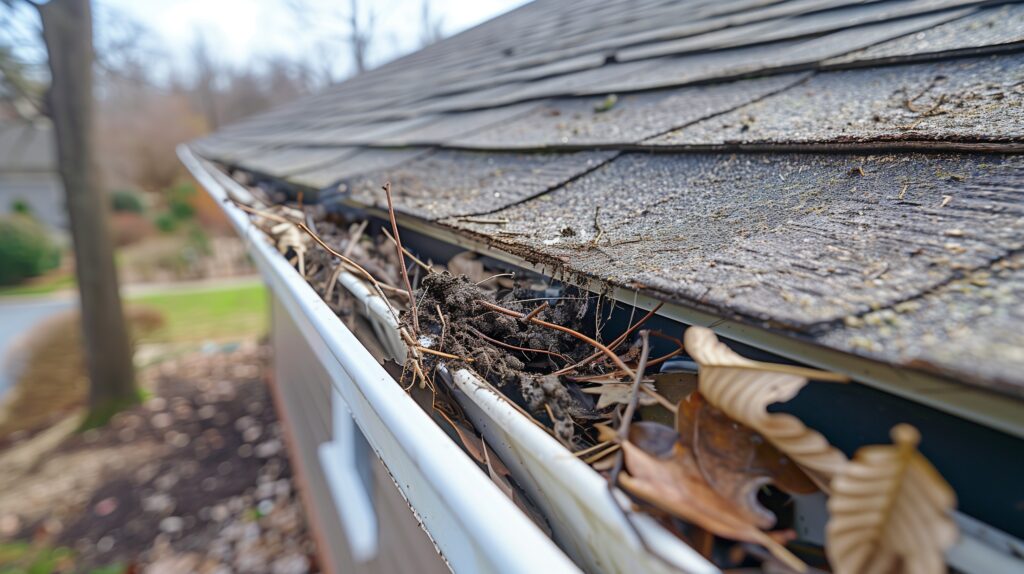
Clogged gutters might seem like a minor home maintenance issue, but they can lead to significant problems if left untreated. When leaves, twigs, dirt, and other debris block your gutters, rainwater cannot drain properly through the downspouts. Instead, water may overflow onto your siding, collect around your foundation, seep into your basement, or damage your roof.
These problems can become especially concerning during fall and winter in New Jersey, when falling leaves, heavy rain, freezing temperatures, and seasonal storms put your gutter system to the test.
Understanding what happens when your gutters are clogged can help you recognize warning signs, prevent water damage, and determine when it’s time to clean or repair your gutters.
1. Water Overflows Onto Your Siding
One of the first signs of clogged gutters is water spilling over the edges during rainfall.
Your gutter system is designed to collect rainwater from the roof and direct it safely away from your home. When debris blocks the channel or downspout, water may have nowhere to go.
Instead of flowing through the drainage system, water can spill over the gutter’s edges and run down your exterior walls.
Over time, repeated exposure to overflowing water can contribute to:
- Stains and discoloration on siding
- Peeling exterior paint
- Damage to wood trim
- Deterioration of exterior materials
- Moisture entering gaps around windows and doors
Water overflowing from gutters can also splash back onto the siding and foundation, creating additional moisture problems around the property.
If you notice water pouring over your gutters during a storm, inspect the system for debris or drainage problems.
2. Your Roof Can Develop Water Damage
Clogged gutters can contribute to roof damage when water cannot drain away properly.
When leaves and debris accumulate, they may trap moisture along the roofline. If water repeatedly backs up near the edge of the roof, it can increase the risk of damage to vulnerable roofing materials and underlying components.
Potential problems include:
- Deteriorating roof-edge materials
- Damaged fascia boards
- Moisture affecting roof decking
- Rotting wood around the eaves
- Leaks near the roofline
The exact risk depends on your roof design, gutter installation, weather conditions and how long the blockage remains.
Clogged gutters are not the only cause of roof leaks, but they can contribute to moisture-related problems that may become more expensive to repair over time.
If you notice water stains on ceilings near exterior walls, dampness around the roofline, or visible damage to fascia boards, consider having your roof and gutter system inspected.
3. Water Can Collect Around Your Foundation
One of the most serious consequences of clogged gutters is poor drainage around your home’s foundation.
When gutters overflow, large amounts of rainwater may fall directly beside the house rather than being carried away through downspouts.
As water accumulates in the soil, it can increase moisture around the foundation and potentially find its way into small cracks or other vulnerable areas.
Depending on the property’s grading and drainage conditions, recurring water exposure can contribute to:
- Foundation moisture
- Water entering basement walls
- Damp crawl spaces
- Soil erosion
- Damage to landscaping near the house
- Increased pressure from water-saturated soil
Not every clogged gutter will cause foundation damage, but allowing water to repeatedly collect near the home can increase the risk.
Make sure your downspouts discharge water away from the foundation and that the surrounding ground slopes appropriately where possible.
If you notice standing water beside your home after rain, investigate both the gutters and the property’s drainage conditions.
4. Your Basement May Become Damp or Flooded
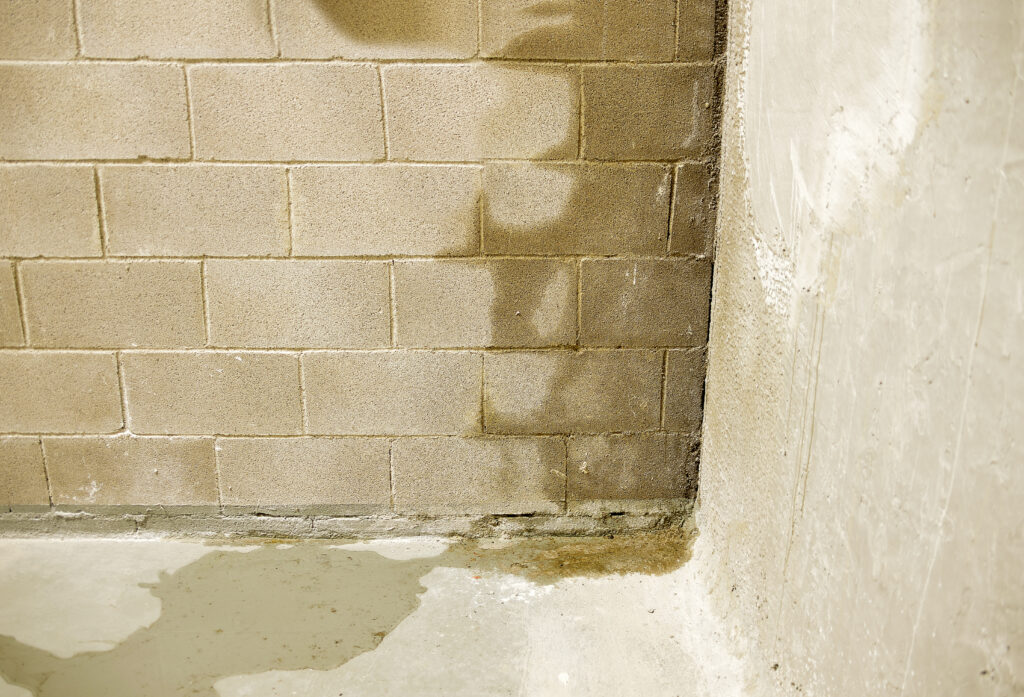
Basement moisture is another potential consequence of clogged gutters.
When rainwater repeatedly collects around the foundation, it can increase the amount of moisture that reaches basement walls, floor joints, and other vulnerable areas.
You may notice:
- Damp basement walls
- Water stains
- Musty odors
- Peeling paint
- Efflorescence, a white mineral deposit on masonry
- Water appearing near basement windows
- Pooling water after heavy rain
Clogged gutters are only one possible cause of basement moisture. Poor grading, foundation cracks, drainage problems, and sump pump issues can also contribute.
However, making sure your gutters and downspouts drain properly is an important step in managing rainwater around your home.
If your basement becomes damp after storms, check whether water is overflowing from your gutters or collecting near the foundation. Persistent water intrusion may require a more comprehensive drainage or foundation assessment.
5. Gutters Can Sag or Pull Away From Your Home
Leaves, wet debris, and standing water add weight to your gutter system.
When gutters remain clogged, that extra weight can place stress on the hangers, fasteners, fascia boards, and other mounting components.
Over time, you may notice:
- Gutters sagging between supports
- Sections pulling away from the roofline
- Loose or missing fasteners
- Bent gutter sections
- Water pooling inside the gutter
- Uneven gutter alignment
Sagging gutters may no longer direct water toward the downspouts properly, making drainage problems even worse.
If a gutter section is pulling away from your home, avoid standing underneath it or attempting repairs from an unstable ladder. Damaged mounting components may need to be repaired or replaced before the gutter can function correctly.
6. Mold and Mildew May Develop
Excess moisture around your home’s exterior can create conditions that support mold and mildew growth.
When clogged gutters repeatedly overflow, water can soak siding, wood trim, fascia boards, and other materials.
If these surfaces remain damp, mold or mildew may develop, particularly in shaded areas with limited airflow.
Moisture can also enter wall cavities or basements through vulnerable openings, potentially contributing to indoor mold growth if the conditions persist.
Signs of moisture-related problems include:
- Dark spots on exterior surfaces
- Musty smells indoors
- Persistent dampness
- Discoloration around windows or doors
- Visible mold on materials
- Peeling or bubbling paint
Cleaning your gutters can help reduce one potential source of excess moisture, but it won’t resolve every mold or water intrusion problem. If mold appears indoors or moisture continues after gutter repairs, investigate the underlying source.
7. Pests May Make Their Home in Your Gutters
Clogged gutters can become an attractive place for certain pests.
Accumulated leaves, twigs, and other debris provide shelter and nesting material. When moisture remains trapped, the environment may also attract insects and other nuisance pests.
Depending on the conditions around your home, clogged gutters may contribute to problems involving:
- Mosquitoes around standing water
- Ants and other insects
- Birds nesting in debris
- Rodents seeking shelter
- Other pests attracted to damp organic material
The risk varies depending on the amount of debris, surrounding vegetation, and local pest activity.
Regular gutter cleaning removes much of the organic material that can make gutters attractive to pests. If you notice persistent nesting activity or signs of an infestation, you may also need to address nearby trees, roof openings, or other access points.
8. Your Gutters May Freeze During Winter
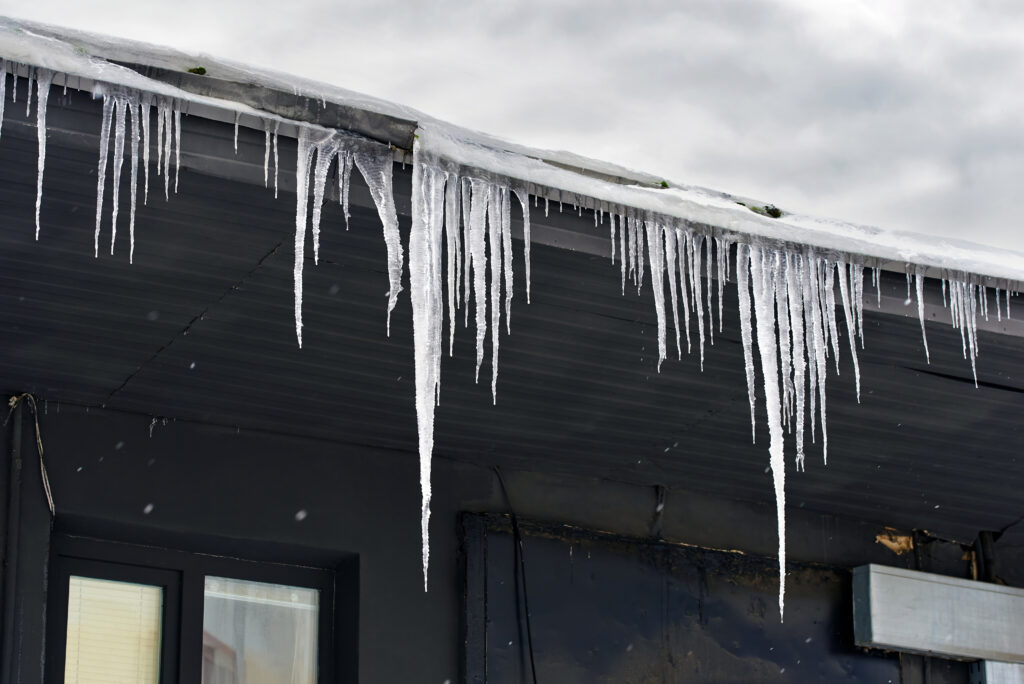
Clogged gutters can become particularly problematic when temperatures fall below freezing.
Leaves and debris can trap moisture, slow drainage, and allow water to remain in the gutter for extended periods. When temperatures drop, that water can freeze.
Frozen water can add weight to the gutter system and may contribute to ice buildup along the roof edge.
Under certain weather conditions, ice dams may also develop along the roofline. Ice dams occur when melting snow refreezes near the colder roof edge, preventing additional meltwater from draining normally. Roof heat loss and ventilation conditions are major factors in their formation, so clogged gutters alone do not necessarily cause them.
Winter gutter problems can contribute to:
- Heavy ice buildup in gutters
- Added stress on gutter fasteners
- Icicles forming along the roof edge
- Restricted drainage during thaws
- Water entering vulnerable roof areas under certain conditions
Before winter arrives, remove accumulated leaves and debris so rainwater can drain more effectively.
Never attempt to chip away thick ice with sharp tools or climb onto an icy roof. These activities can damage your gutters and create a serious fall hazard.
9. Heavy Rain Can Make the Problem Worse
A gutter system that handles light rain may struggle when a heavy storm arrives.
If the gutters are already partially blocked, intense rainfall can quickly overwhelm the available drainage space. Water may spill over the edges or collect in areas where the system cannot drain effectively.
During heavy rain, clogged gutters can increase the likelihood of:
- Water overflowing near doors and windows
- Soil washing away around the foundation
- Water collecting near basement entrances
- Landscaping erosion
- Excess moisture around the exterior walls
Fall storms can make this problem especially noticeable because gutters may fill with leaves just as rainfall becomes heavier.
If water consistently overflows from one section of your gutter system, the cause may be a blockage, an improperly pitched gutter, an undersized system, or a downspout that cannot handle the volume of water.
Cleaning the gutters is a good starting point, but recurring overflow may require a more thorough inspection.
10. Your Landscaping Can Be Damaged
Gutters help control where rainwater lands around your property.
When they overflow, concentrated streams of water can wash away mulch, displace soil, damage flower beds, and expose plant roots.
You may notice:
- Erosion beneath the roofline
- Mulch scattered across walkways
- Soil washed away near the foundation
- Damaged flowers or shrubs
- Small trenches forming in the ground
- Waterlogged areas near downspouts
These problems can gradually change the way water moves around your property.
Make sure your gutters are draining properly and your downspouts direct water toward appropriate drainage areas rather than concentrating it beside the foundation.
11. You May Face More Expensive Repairs
Gutter cleaning is generally much less expensive than repairing damage caused by prolonged water exposure.
When clogged gutters are ignored, a relatively simple maintenance issue can contribute to problems involving roofing, siding, fascia boards, foundations, basements, and landscaping.
Depending on the extent of the damage, repairs may involve multiple trades and more extensive work than cleaning or adjusting the gutter system.
For example, recurring overflow may initially appear to be a minor nuisance. However, if water repeatedly enters a basement or damages exterior wood, the resulting repairs can become considerably more involved.
Regular inspections and cleaning help identify issues early, before they have more time to affect other parts of the property.
How to Tell If Your Gutters Are Clogged
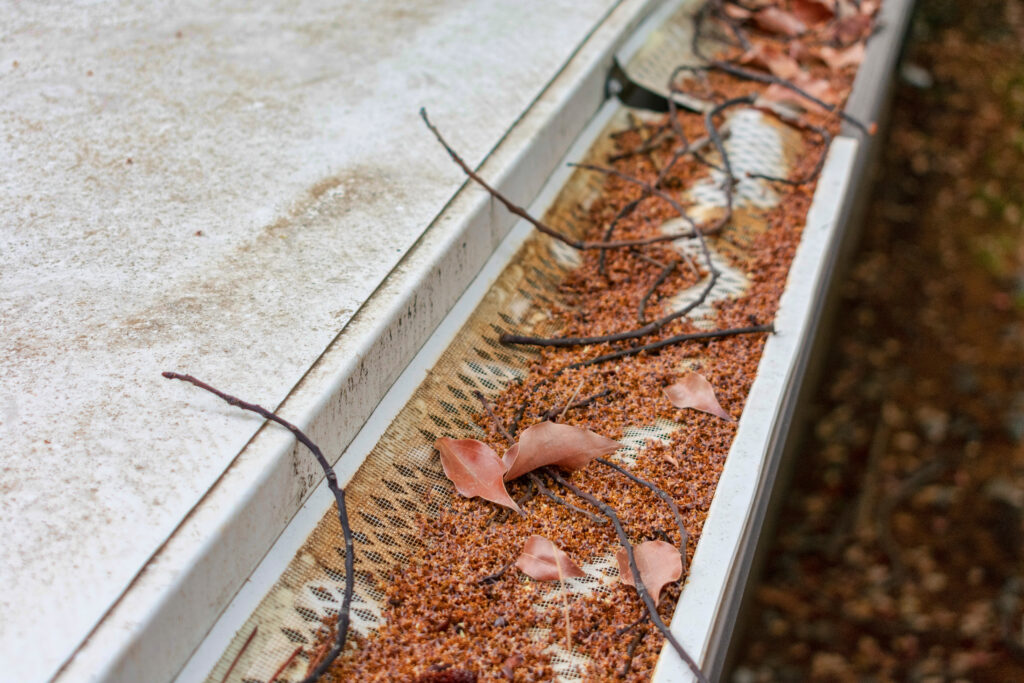
You don’t always need to climb a ladder to recognize signs of a blockage. Many warning signs are visible from the ground or become noticeable during rainfall.
Watch for these common indicators:
Water spilling over the gutter edges: This is one of the clearest signs that drainage may be restricted.
Plants or weeds growing in the gutters: Organic debris can accumulate enough moisture and soil to support plant growth.
Visible leaves and debris: If you can see a buildup along the gutter channel, a blockage may be developing.
Sagging or uneven gutters: Excess weight, loose fasteners, or improper alignment may be affecting drainage.
Water stains on siding: Repeated overflow can leave visible marks on exterior surfaces.
Standing water near the foundation: This may indicate that water isn’t being directed away from the home effectively.
Downspouts that don’t drain properly: A blockage in the downspout can prevent the entire gutter system from functioning as intended.
If you notice one or more of these signs, inspect the system safely or arrange for professional assistance.
How Often Should You Clean Your Gutters?
For many homes, cleaning gutters at least twice a year is a useful starting point: once in spring and once in fall.
However, your ideal schedule depends on your property’s surroundings, roof design, and local weather.
You may need more frequent cleaning if:
- Your home is surrounded by mature trees.
- Pine needles accumulate on your roof.
- Leaves frequently collect in your gutters.
- Your property experiences heavy storms.
- You have a history of gutter overflow.
- Your roof has valleys that direct large amounts of debris toward certain sections.
In South Jersey, fall cleaning is particularly important because leaves can accumulate quickly as temperatures change.
It’s also worth checking your gutters after major storms, especially if nearby trees have lost branches or deposited large amounts of debris.
How to Prevent Clogged Gutters
Preventing gutter blockages begins with regular maintenance and keeping debris from accumulating.
1. Remove Leaves and Debris
Clear leaves, twigs, pine needles, and other material from your gutters before the buildup restricts drainage.
If you clean your own gutters, use a stable ladder, follow appropriate ladder safety practices, and avoid working during wet, windy, or icy conditions. Never lean dangerously over the gutter or reach beyond your safe working position.
For multi-story homes or hard-to-reach areas, professional cleaning is often the safer option.
2. Check Your Downspouts
Even clean gutters can overflow if the downspouts are blocked.
Inspect downspout openings for debris and check that water can flow through the system. Make sure the discharge point isn’t obstructed by leaves, soil, or landscaping materials.
If a blockage cannot be cleared safely, consider professional assistance.
3. Trim Overhanging Branches
Branches that extend over your roof can deposit leaves, seeds, twigs, and other debris directly into your gutters.
Trimming appropriate branches can reduce the amount of material that enters the drainage system.
For large branches or work near electrical lines, contact a qualified tree service rather than attempting the work yourself.
4. Consider Gutter Guards
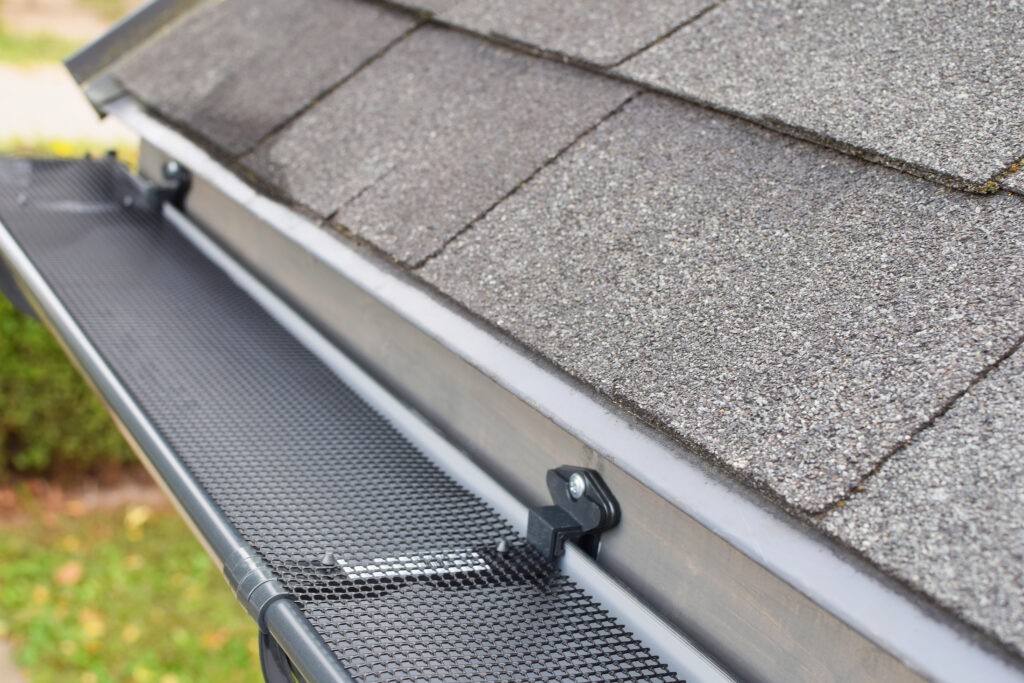
Gutter guards can help reduce the amount of leaves and debris that enter your gutters, but they aren’t completely maintenance-free.
Some systems can still collect pine needles, roof grit, seeds, and fine debris. Guards may also require cleaning or inspection to maintain proper drainage.
Choose a system suited to your roof, gutter design, and surrounding trees, and continue checking the gutters periodically.
5. Inspect Gutters Before Winter
Before freezing temperatures arrive, remove accumulated debris and check for loose fasteners, sagging sections, and damaged downspouts.
Proper drainage can help reduce standing water and winter-related gutter problems.
6. Make Sure Water Drains Away From Your Home
Gutter maintenance is only part of the solution. Downspouts should direct water away from the foundation toward a suitable drainage area.
If water repeatedly pools near your home even after cleaning the gutters, the property may need improvements to its grading or drainage system.
Should You Clean or Replace Your Gutters?
Not every gutter problem requires replacement. In many cases, cleaning the system and correcting a minor drainage issue may be enough.
Cleaning may be appropriate when:
- Leaves and debris are blocking the channels.
- Downspouts are clogged.
- The gutters are structurally sound.
- Water drains properly after the blockage is removed.
Repairs may be needed when:
- Gutters have loose fasteners.
- Sections are sagging.
- Seams are leaking.
- Downspouts are disconnected.
- Gutter sections are no longer properly aligned.
Replacement may be worth considering when:
- Gutters have extensive corrosion or damage.
- Multiple sections are pulling away from the home.
- Leaks persist despite repairs.
- The system is poorly suited to the roof’s drainage needs.
- The gutters have reached the end of their useful service life.
A professional inspection can help determine whether cleaning, repair, or replacement is the most practical option.
When Should You Call a Professional?
Gutter maintenance may appear straightforward, but working at heights can be dangerous. Professional assistance may be appropriate if your home has multiple stories, a steep roof, difficult access, or gutters that are heavily damaged.
Consider contacting a professional if:
- Gutters repeatedly overflow after cleaning.
- Downspouts remain blocked.
- Sections are sagging or pulling away from the house.
- You notice water entering the basement.
- Roof-edge wood appears damaged or rotten.
- You suspect foundation drainage problems.
- Ice has accumulated in the gutter system.
- You’re unable to safely access the gutters.
A professional can inspect the gutters, downspouts, mounting hardware, and drainage conditions to identify the underlying problem.
Preparing South Jersey Homes for Fall and Winter
Homeowners throughout South Jersey can experience gutter problems as falling leaves, seasonal storms, and freezing temperatures place additional demands on exterior drainage systems.
In Hammonton, Waterford, Atco, Berlin, and Mays Landing, checking gutters before the colder months can help homeowners identify blockages and drainage problems before winter weather arrives.
Before the next major storm, remove accumulated debris, inspect downspouts, look for signs of sagging, and confirm that rainwater is being directed away from your home’s foundation.
If you notice repeated overflow, leaks, or signs of water damage, address the issue before it becomes more extensive.
Final Thoughts

Clogged gutters can lead to much more than an overflowing roofline. When water cannot drain properly, it may damage siding, affect roof-edge materials, collect around your foundation, contribute to basement moisture, attract pests, and create additional problems during freezing weather.
Regular gutter cleaning, downspout inspections, and seasonal maintenance can help protect your home from preventable water damage. Pay particular attention to your gutters during fall, when leaves accumulate quickly, and before winter, when trapped water may freeze.
If your gutters are repeatedly overflowing or you notice signs of water damage around your home, don’t ignore the problem. Identifying the cause early can help you avoid more extensive repairs.
Whether you need help with gutter maintenance, roofing concerns, drainage issues, or other home repairs, WYNNOW is here to help with your home service needs throughout South Jersey. Also please be sure to check us out on Facebook, Instagram and X if you found this blog helpful!